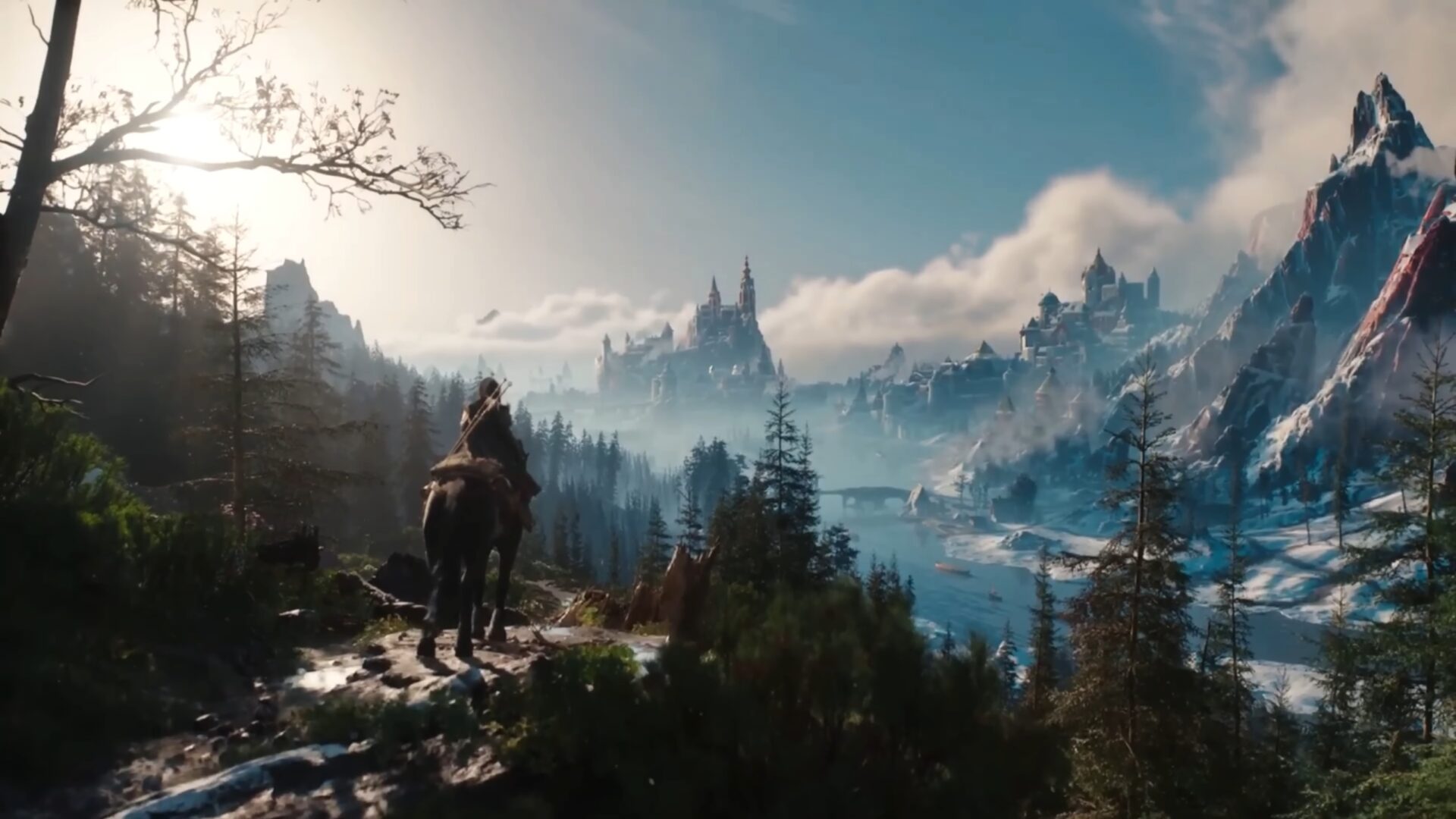
AI's rapid development in recent years affects many industries, including medicine, design, journalism and automation, as well as computer graphics. Will AI-generated images be able to replace 3D artists' work?
One day, largely YES.
And currently?
What do we currently use AI for in 3D graphics?
Automating routine tasks
3D graphics involves tedious, time-consuming tasks that people must perform to achieve a final render or 3D model. AI makes processes such as retopology, simple modelling, scattering, texture creation and procedural scene generation easier and more efficient.
Rendering
Rendering engines increasingly use AI to improve lighting and particle simulations, for example. We also test new solutions for simulating objects such as textiles. The result is faster, more precise and realistic rendering, allowing materials to reach clients sooner.
Post-production and video editing
The tools we use for post-production, such as Photoshop and Lightroom, include increasing numbers of AI features, from object cut-outs, upscaling and automatic colour correction to simple animated footage editing.
Inspiration
AI generates images and designs from varied data, allowing many options and concepts to be explored quickly. For artists, it provides inspiration for new creative directions and helps select the best ideas from a broad range of possibilities.
Prototyping
Artificial intelligence can generate preliminary designs in just minutes. Artists can use the results as a starting point for further work.
AI limitations
AI works from datasets and patterns but cannot create unique, visionary designs. 3D graphics is an art in which intuition and an artistic approach often matter. Communication with another person is also highly valuable for understanding their needs.
Problems with accuracy and reproduction
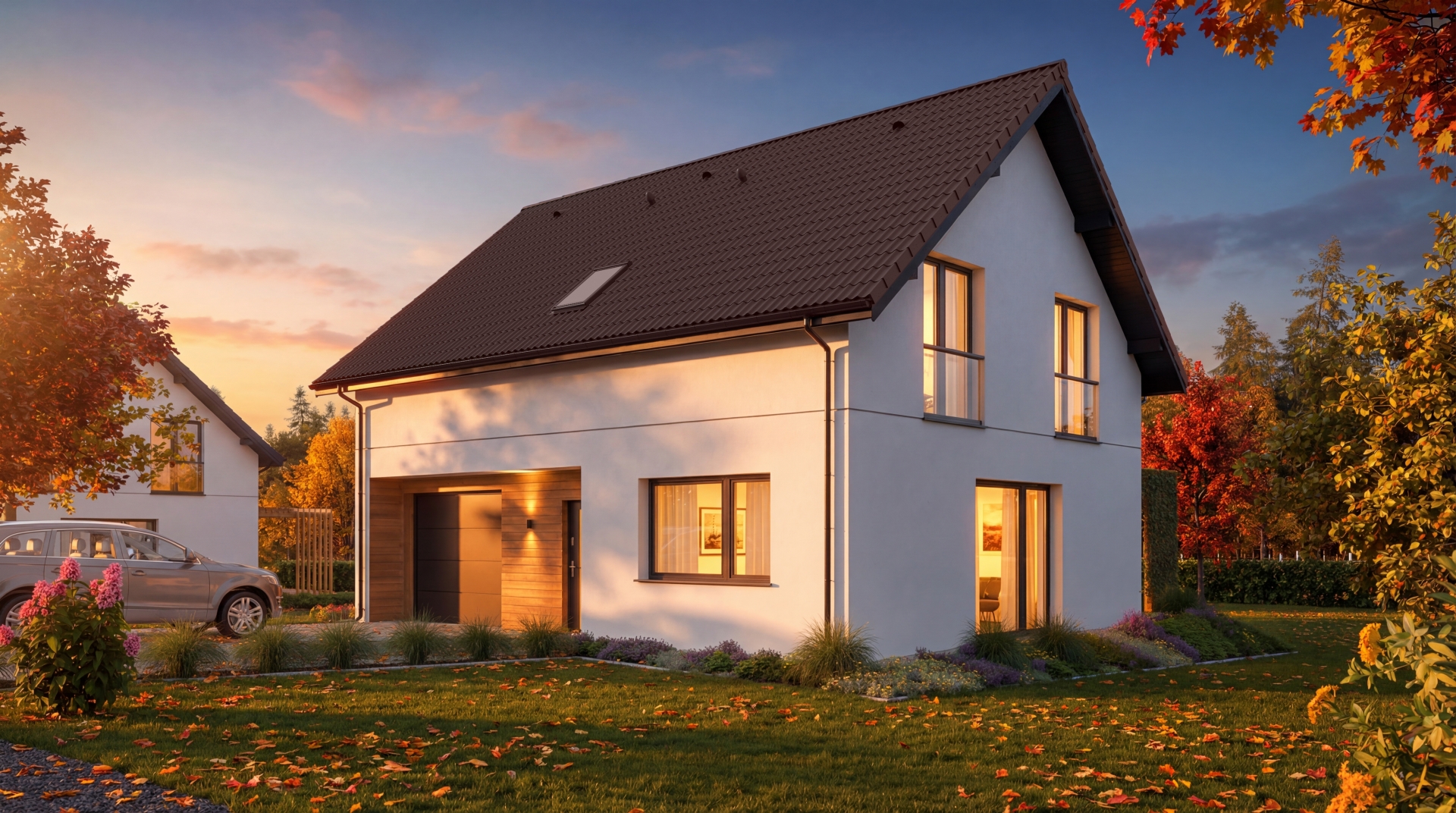
With AI-generated images, the model often struggles to understand what we want correctly. Results are random, although admittedly often interesting and inspiring. Particularly in images of buildings and interiors, AI still has clear problems accurately reproducing textures, shadows and space. Logical arrangement of multiple objects is also weak. Without exploring the technical details, these are more or less attractive combinations of existing ideas on which the model was trained. AI does much better at generating people, including photorealistic ones. It is often difficult to distinguish an AI-generated person from an actual photograph. We can therefore expect progress in the weaker areas too.
The randomness of AI-generated images
With current image generators, we largely have to accept what AI proposes. Options for modifying a generated image are still very limited.
Lack of creativity
Current AI consists of trained models, datasets and patterns. It cannot presently create unique designs without an artistic approach. It lacks artistic awareness and the ability to think innovatively.
Legal issues concerning intellectual property
A frequent topic among artists is what materials AI models are trained on and whether the companies doing so have the right to use others' intellectual property. The subject is changing rapidly and is being considered by EU institutions, among others. We are not lawyers and will not comment on it.
Where can AI already fully replace a 3D artist?
Designing repeatable spaces
We see considerable potential for AI in interior design. For example, kitchen visualizations or bathrooms are relatively formulaic projects where AI can quickly suggest interesting settings, giving the client several appealing options. Such configurators are clearly becoming more popular and working better. AI can account for ergonomics reasonably well and organise kitchen zones.
What is next for 3D artists?
In our view, AI in 3D graphics should be seen as an opportunity, an aid and another stage of development. It relieves 3D artists of monotonous tasks, allowing them to focus on artistic work. Currently, AI cannot replace human creativity, intuition and the ability to create projects tailored to clients' needs. With AI, we will be able to focus more on artistic and conceptual work without spending time on technical issues.
We invite you to read another article: