Pogotowie3d logo 2026 )1
  • Home
  • About us
  • What we do
    • 3D building visualizations
    • 3D product visualizations
    • 3D furniture visualizations
    • Interactive 360 visualizations
    • Pricing
  • Portfolio
    • Portfolio at a glance
    • Portfolio for real estate developers
    • Portfolio by category
    • In a few moments — reels
  • Free
    • Free 360° generator
  • Blog
  • Contact
Call us
Pogotowie3d logo 2026 )1
  • Home
  • About us
  • What we do
    • 3D building visualizations
    • 3D product visualizations
    • 3D furniture visualizations
    • Interactive 360 visualizations
    • Pricing
  • Portfolio
    • Portfolio at a glance
    • Portfolio for real estate developers
    • Portfolio by category
    • In a few moments — reels
  • Free
    • Free 360° generator
  • Blog
  • Contact
AI Act: 3D render or deepfake? What needs labeling? An armchair in an interior setting with an AI generated label
News from the 3D world, advice, tips, debugging and tutorials

The AI Act and 3D visualizations: do renders need an AI label?

2026-10-11 /Posted byadmin

A 3D render created without AI does not require an AI content label under Article 50 of the AI Act. This also applies to visualizations created at Pogotowie 3D by modeling and rendering a scene without artificial intelligence.

In this process, we prepare a product model, apply materials and set up lighting and the camera. The software calculates the finished image from this scene. A photorealistic product visualization may look like a photograph, but this appearance alone does not create an obligation to label it as AI.

Legal basis: Article 3(1) and Article 50 of Regulation (EU) 2024/1689.

What if AI assists with a render?

Image denoising and generating new surroundings are different applications. When improving quality, it is necessary to check whether the tool preserves content or adds details. Article 50(2) provides an exception for standard assistive editing or where input data or its meaning are not substantially altered. It concerns the tool provider's obligation.

If AI adds people to a product presentation or changes the appearance of an existing place, we assess the obligation to disclose a deepfake separately. It does not automatically arise from every use of AI. Publication context also matters, as does whether viewers might wrongly consider the content authentic.

Legal basis: Article 50(2) and (4). See the Commission's transparency guidelines and the official FAQ.

What does deepfake mean in a product presentation?

Under the AI Act, a deepfake is an image, recording or video created or altered by AI that resembles an actual person, object, place or event and could be mistaken for authentic. For example, AI creates an image of a particular armchair in an existing hotel, and the publication presents it as a photograph of furnishings actually installed there, although the armchair was never there.

Such material may meet the definition of a deepfake. The image must be assessed together with its description and publication context. An ordinary render made without AI does not become a deepfake under the AI Act merely because it looks realistic.

Legal basis: Article 3(60) and Article 50(4).

Which watermarks and labels are used?

Information about AI can be visible on an image or stored in the file for an appropriate tool to read. Several solutions are used:

  • Visible text or a label, such as “Generated using AI” or “AI generated”. It may appear on the graphic or immediately alongside it. The label on the right side of this article's header is an example. A studio logo or author credit alone does not indicate AI use.
  • An invisible digital watermark, for example SynthID. It is embedded in the image and detected by a compatible tool. Viewers do not see it as text in the corner of the graphic.
  • File provenance data, for example Content Credentials based on the C2PA standard. These are digitally signed details about the creation and editing of material that can indicate AI involvement. They are not the same as a visible watermark.

The European Commission also provides icons for labeling AI content. Article 50 does not prescribe a single wording or graphic symbol for all images.

Machine-readable marking concerns the AI system provider's obligation. Where a deepfake must be disclosed, the AI deployer must also ensure information is clear to viewers, at the latest when the material is first shown. A hidden mark or metadata alone does not replace that notice.

Legal basis: Article 50(2), (4) and (5); European Commission FAQ.

How do we inform Pogotowie 3D clients?

When delivering finished visualizations, we inform clients whether and to what extent AI was used. If AI use involves legal labeling obligations, we explain which obligations apply to the client's use and publication of the graphics received.

When do the rules apply?

The AI Act, the regulation of 13 June 2024, entered into force on 1 August 2024. The transparency obligations under Article 50 apply from 2 August 2026.

Legal basis: Article 113. Providers of systems placed on the market before 2 August 2026 have until 2 December 2026 to implement machine-readable marking under Article 50(2) (Article 111). This exception does not postpone deepfake disclosure. European Commission explanation.

Legal bases and sources

  • The AI Act in Polish, current text: Articles 3, 50, 111 and 113.
  • European Commission: questions and answers about Article 50.
  • Commission guidelines on transparency obligations.

The regulation is the legal basis. Commission materials assist with interpretation. This text is informational; assessment of specific material depends on how it was prepared and published.

Legal status as of 10 October 2026. Header graphic generated by AI.

Tags: 3D rendering, 3D visualizations, AI Act, AI graphics, AI in 3D visualization, Artificial intelligence
Share Post
  • Twitter
  • Facebook
  • VK
  • Pinterest
  • Mail to friend
  • Linkedin
  • Whatsapp
  • Skype
3D equipment visualizations fo...
Visualization of air purification equipment in an interior setting
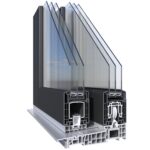
3D visualization of a window cross-section showing the arrangement of profiles and glazing
3D window and door cross-secti...

Related posts

Wycinek 3D — a terrain and surroundings model for architectural visualizations
Building and interior visualizations
Read more

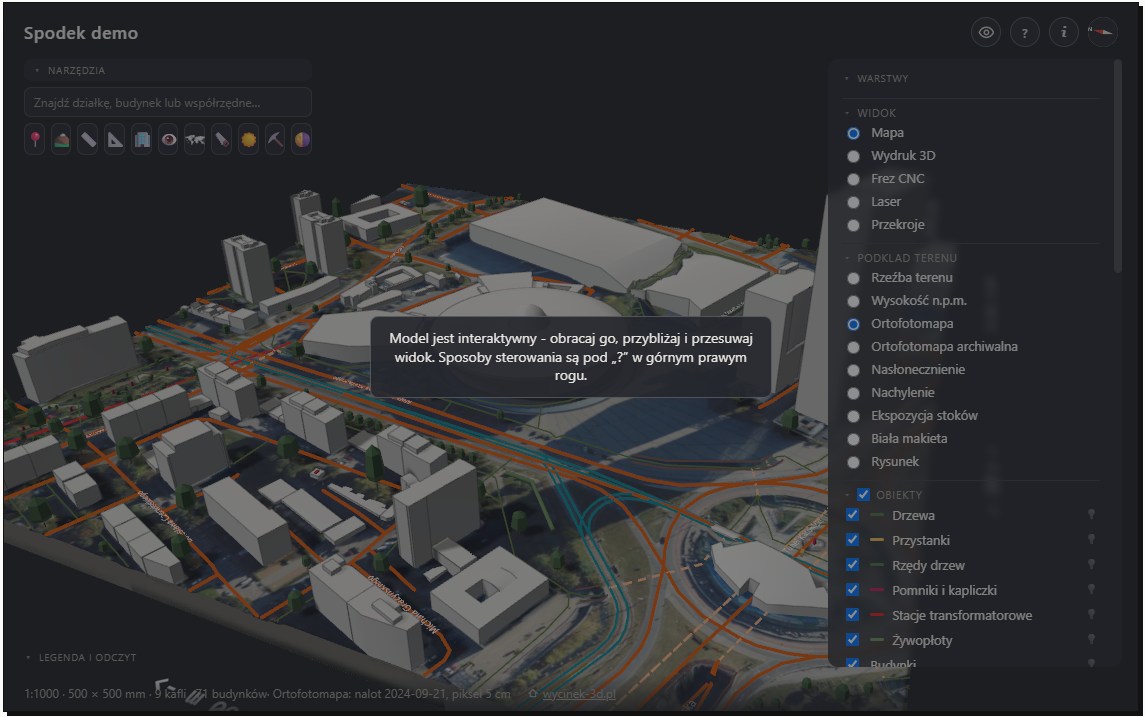
Wycinek 3D — a Polish tool for creating surroundings for architectural visualizations

2026-10-01
Wycinek 3D is a Polish service for preparing terrain, existing buildings and development surroundings from real spatial data. We show where this solution can speed... Continue reading
3d house visualization autumn 01
News from the 3D world, advice, tips, debugging and tutorials
Read more

3D visualization or an AI image? When consistency with the design matters

2026-09-21
3D visualization or an AI image? We explain why design consistency, consistent views and model control matter in sales materials. Continue reading
3D scanner for an artist
News from the 3D world, advice, tips, debugging and tutorials
Read more

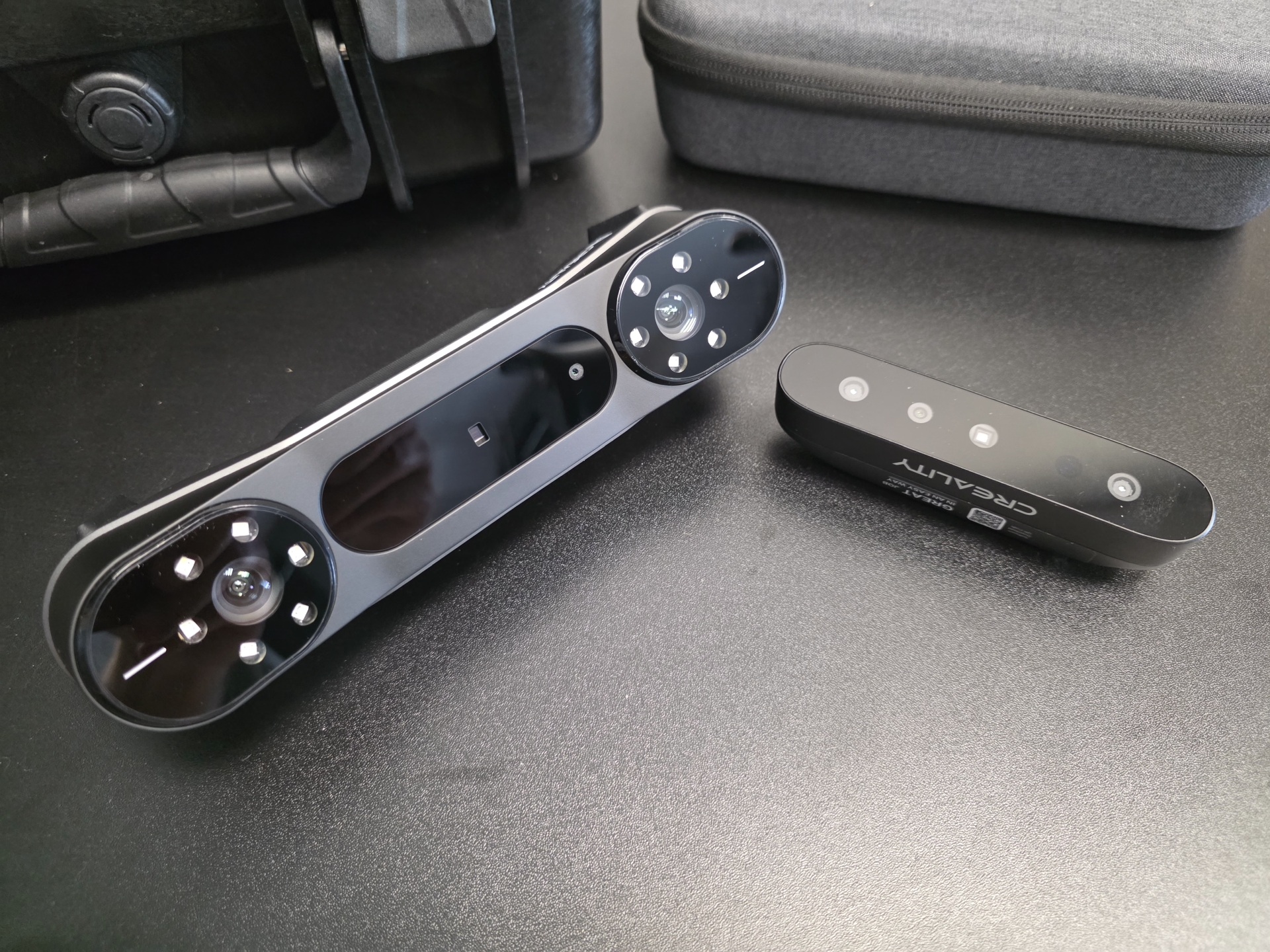
Which 3D scanner should you buy in 2026? For an artist and a 3D graphics studio. For visualization and 3D printing.

2026-08-08
Continue reading
The Witcher 4 Unreal 5 demo
News from the 3D world, advice, tips, debugging and tutorials
Read more

The Witcher 4: a technology demo on Unreal Engine 5 (State of Unreal 2025)

2025-06-10
Continue reading
AI visualizations
News from the 3D world, advice, tips, debugging and tutorials
Read more

AI or 3D visualizations

2025-03-09
Continue reading

Comments are closed

Recent posts

  • 3D and AI upholstered furniture visualizations. A corner sofa in an interior scene and in motion
  • 3D packaging visualizations. A new label on an existing product
  • 3D window and door cross-sections. From manufacturer drawings to a finished presentation
  • The AI Act and 3D visualizations: do renders need an AI label?
  • 3D equipment visualizations for manufacturers. From model to sales materials
Pogotowie3d logo 2026 )1
  • Menu

    • About us

    • What we do

    • Portfolio at a glance

      New
    • Portfolio for real estate developers

    • Blog

    • Contact

  • Popular

    • Architectural visualizations

      New
    • Pricing

      New
    • Product visualizations

    • Furniture visualizations

  • Other

    • Privacy policy

    • Cookie policy

    • Taxe online accounting

    • Krysztaly.pl shop

    • Zdzislowicz websites

Our address

ul. Trzebińska 56/15
32-500 Chrzanów

783 783 360

biuro@pogotowie3d.pl

Facebook Instagram Pinterest Whatsapp Email Youtube
© 2008– Pogotowie 3D. All Rights Reserved.
Manage consent
Aby zapewnić jak najlepsze wrażenia, korzystamy z technologii, takich jak pliki cookie, do przechowywania i/lub uzyskiwania dostępu do informacji o urządzeniu. Zgoda na te technologie pozwoli nam przetwarzać dane, takie jak zachowanie podczas przeglądania lub unikalne identyfikatory na tej stronie. Brak wyrażenia zgody lub wycofanie zgody może niekorzystnie wpłynąć na niektóre cechy i funkcje.
Funkcjonalne Always active
Przechowywanie lub dostęp do danych technicznych jest ściśle konieczny do uzasadnionego celu umożliwienia korzystania z konkretnej usługi wyraźnie żądanej przez subskrybenta lub użytkownika, lub wyłącznie w celu przeprowadzenia transmisji komunikatu przez sieć łączności elektronicznej.
Preferencje
Przechowywanie lub dostęp techniczny jest niezbędny do uzasadnionego celu przechowywania preferencji, o które nie prosi subskrybent lub użytkownik.
Statystyka
Przechowywanie techniczne lub dostęp, który jest używany wyłącznie do celów statystycznych. Przechowywanie techniczne lub dostęp, który jest używany wyłącznie do anonimowych celów statystycznych. Bez wezwania do sądu, dobrowolnego podporządkowania się dostawcy usług internetowych lub dodatkowych zapisów od strony trzeciej, informacje przechowywane lub pobierane wyłącznie w tym celu zwykle nie mogą być wykorzystywane do identyfikacji użytkownika.
Marketing
Przechowywanie lub dostęp techniczny jest wymagany do tworzenia profili użytkowników w celu wysyłania reklam lub śledzenia użytkownika na stronie internetowej lub na kilku stronach internetowych w podobnych celach marketingowych.
  • Manage options
  • Manage services
  • Manage {vendor_count} vendors
  • Read more about these purposes
Zobacz preferencje
  • {title}
  • {title}
  • {title}