An AI-generated image can be created quickly, look attractive and cost little. In many situations, it works as inspiration or a way to show a general direction. Problems begin when it is meant to represent a specific building, interior or product that will later be made.
A generator interprets supplied data. Even with a floor plan, sketch or model photograph, it can change geometry, proportions and materials. Sometimes differences are easy to spot; sometimes they are hidden in details. The image still looks convincing despite no longer matching the documentation.
The same design in every view
Professional building, residential development and interior visualizations are created from a controlled 3D model. The artist recreates the form, dimensions, facade divisions, windows and doors, furnishings and specified materials. The camera and scene geometry are defined, so successive views show the same object from different sides.
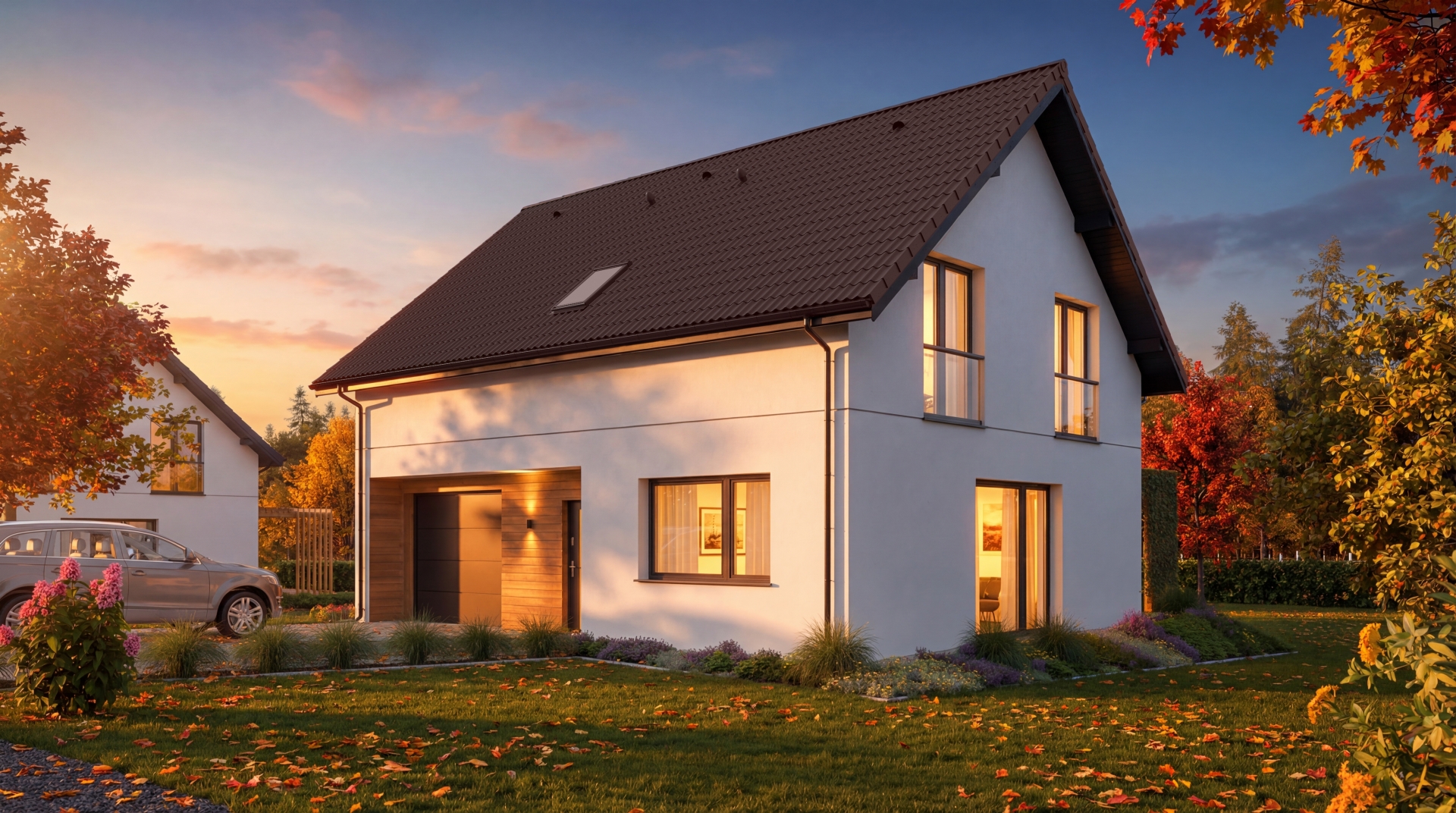
This matters greatly for exterior visualizations. AI can add a window, change the roof shape, widen a balcony or alter the facade. It may also interpret site development quite freely. Similar interior problems include a changed room layout, incorrectly scaled furniture, different cabinet counts or an element that appears in only one image.

Before starting, it is therefore worth knowing what materials to prepare for a 3D visualization quote. Floor plans, cross-sections, elevations, a site plan and finishing information allow the entire presentation to be based on specific data.
An attractive image also makes a promise
In sales materials, consistency with the design directly affects company credibility. If a real estate developer uses a generated image to present a specific development, viewers may assume that is how the building, balcony, surroundings or interior layout will look. When the finished result differs substantially, disappointment follows and trust in the brand decreases.
The same applies to interiors and products. An attractive image does not help sales if it shows different construction, a different material or a function absent from the design. Advertising that misrepresents an offer can also lead to allegations of misleading customers. This does not mean every AI graphic is unacceptable. Its conceptual nature should be clearly described if viewers might treat it as a reliable presentation of the property or product being sold.
When planning a campaign, it is therefore worth deliberately determining which visualizations are needed to sell a residential development, and maintaining consistency throughout the series.
Where AI really helps
Artificial intelligence can support the normal render production process. Specialist tools help with localized image correction, noise reduction, upscaling or filling sections of the surroundings. The foundation remains an approved 3D model, specific geometry and a defined camera. The artist controls the scope of changes and checks that important design elements remain intact. This differs from generating an entire scene with a general-purpose generator.
Antirender is an interesting example of growing distrust of overly idealized materials. The tool intentionally creates less idealized versions of real estate development visualizations. These results are also generated and may contain random elements, so they do not predict the development's actual appearance.
When an image must match documentation
Generative AI works well for inspiration and initial concepts. Presenting a specific building or interior should rely on documentation and a controlled 3D model. As part of our visualizations for real estate developers and architects , we prepare consistent views matching the agreed design. Send us your materials, and we will assess the work involved and propose an appropriate visualization set.