From the Pogotowie 3D studio
We have updated our 3D visualization portfolio. It is now easier to find a category, compare projects and learn about preparing similar materials for your company.
We have grouped work for manufacturers, designers and real estate developers into 17 categories. Below, we show one example from each gallery. Full render sets are available through the links alongside the projects.
Two portfolios at a glance and one extensive project collection
To get a quick overview of our work, start with one of the two short selections. For examples from a particular industry, explore the portfolio divided into categories.
Portfolio at a glance
A cross-section of our work: buildings, interiors, furniture and products. Large tiled graphics let you view different types of visualization in one place.
Portfolio for real estate developers
Selected exterior and interior visualizations. A short overview of ways to present a development, from the building and its surroundings to a furnished apartment.
Full portfolio by category
Extensive galleries with many renders, divided into buildings and interiors, furniture and products. This is the easiest place to find work similar to your planned project.
Buildings and interiors: a development before construction

Interior visualizations
We show apartments, houses, offices and commercial spaces for real estate developers and designers. An interior scene reveals room layouts, finishes and how individual elements work together.

Architectural visualizations
We present single-family houses, villas and residential developments among greenery and people, at different times of day and in different weather. This category also includes holiday homes, hotels, car washes, hangars and carports.
Explore visualization services for real estate developers and architects
Products: settings, packshots and a look inside
A product can be shown against a neutral background, placed in the context of its use or have its construction revealed. These galleries show how we choose presentation methods according to what customers need explained.

Product packaging visualizations
You will find packaging for food, industrial and medical products and medicines, as well as interior finishing products and the automotive sector. Packaging shape, readable graphics and consistent presentation of the whole series matter in these materials.

Exhibition stand visualizations
Before a stand is built in the hall, its form, colors and layout can be examined. For extensive projects, we recreate construction details so the visualization helps assess the specific design.

Equipment visualizations
We show industrial, transport, medical and prosthetic equipment against white backgrounds and in settings. The gallery also includes cross-sections, including fireplaces and mattresses. Modeling from documentation allows marketing materials to be prepared before manufacturing.

Display visualizations
Stands, displays, warehouse racks and retail displays require proportions and layouts to match the designer's plan. A render helps assess the finished structure's appearance and how products will be presented on it.

Sports equipment visualizations
From indoor and outdoor gym equipment to exercise bikes and treadmills. Alongside complete equipment views, we prepare exploded views and animations explaining mechanisms. This shows both the equipment's appearance and how it is used.

Fireplace visualizations
In interior settings, we highlight the fireplace and the atmosphere it creates. Packshots show the product itself, while cross-sections allow a look inside its construction. Each presentation method answers different viewer questions.

Jewelry visualizations
We recreate rings, necklaces, bracelets and accessories from designs, accounting for shapes and materials. This allows customers to see a model that has not yet been physically made, before a production decision is taken.

Interior furnishing visualizations
This gallery includes bathroom fittings, wall and acoustic panels, slats, flooring, moldings and tiles. We also show window construction and cross-sections. Settings help assess materials in context, while close-ups show their finishes.

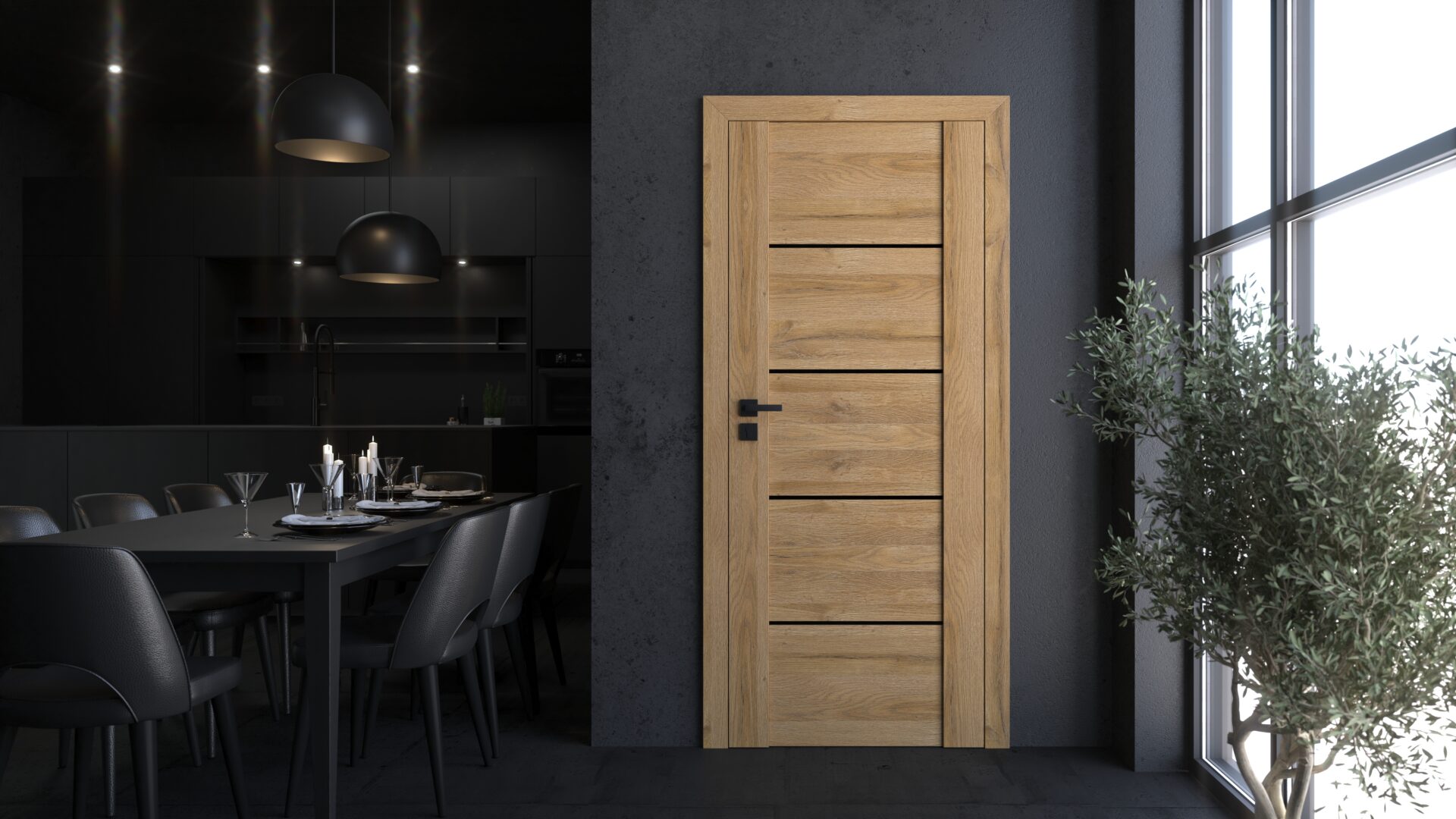
Door visualizations
We present doors in settings and packshots for catalogs of entire collections. We work from dimensions and documentation, preserving shapes, proportions and colors. Door leaf and frame cross-sections show construction and distinctive solutions.
Furniture: from collection appearance to mechanism operation
A setting shows how furniture fits into an interior. A packshot — a view of the product alone against a neutral background — makes models easier to compare. Open cabinet and mechanism views show features not visible in an overall view.

Dining room furniture visualizations
We place tables, sideboards and furniture sets in furnished dining rooms and spaces connected to kitchenettes. The selected surroundings show the collection's character and relationships between individual pieces.

Kitchen furniture visualizations
We recreate cabinetry dimensions, zones and construction details. We can open cabinets, show their interiors or prepare a close-up of a selected feature. We create these materials for furniture and appliance manufacturers, designers and real estate developers.

Children's and teenagers' furniture visualizations
In collections for different age groups, colors and printed graphics give furniture its character. We reproduce them faithfully. We complement settings with packshots and open furniture views showing storage space and functionality.

Bedroom furniture visualizations
We present furniture in furnished bedrooms and as individual products. Where needed, we also show mechanisms and functions difficult to explain through catalog or online store descriptions alone.

Upholstered furniture visualizations
For sofas and corner sofas, we pay particular attention to fabric textures and colors. We use our own samples and cooperate with textile suppliers. Alongside settings, we prepare packshots for online sales and views showing furniture functions.

Living room furniture visualizations
We tailor interiors to the furniture's character and the collection's audience. We preserve product shapes and colors, while packshots show them individually. Furniture functions can also be presented in animation.
Consistency with the design
Why do we rely on 3D rather than AI image generation alone when presenting a design?
Our projects start with a model prepared by an artist from documentation, dimensions and references. This allows us to control geometry and preserve the same product across views. This matters whenever customers use images to make purchasing decisions or assess a design.
Printed graphics, fabric weave and collection details
On children's furniture, front graphics are part of a particular design. On an upholstered sofa, weave scale, seam paths and finishes matter. Working in 3D, we recreate these elements and check them against the design or sample. An attractive AI-generated image alone does not guarantee that these details will remain consistent with the product.
Construction hidden from the outside
A door or fireplace cross-section should show the actual component layout. Similarly, an exploded view of sports equipment should explain its construction. A model developed from documentation allows these views to be planned without inventing hidden parts. We can also show an object that exists only as a design and prepare materials before production begins.
Building and surroundings at the right scale
In development visualizations, we preserve building proportions, window placement, facade material scale and surroundings consistent with the supplied design. Complex exhibition stands require similar control. A faithful presentation helps limit differences between customer expectations and what they receive, and the risk of misunderstandings.
AI can support aesthetic refinement. However, our workflow remains based on a faithfully recreated 3D scene, and processed results must be checked to ensure the presented design's features remain unchanged.
Let's talk about your project
Need similar materials?
Choose portfolio examples close to what you want to show. Send documentation, dimensions or references and tell us where you plan to use the graphics: in a catalog, online store, campaign or development presentation. We will use this to agree on the scope and prepare a quote.