Beech furniture visualizations: a case study
Can furniture visualizations affect sales? We believe they can, considerably. We undertook furniture visualizations for a regular client, aiming to stand out from competitors.
The project included beautiful settings such as cosy bedrooms and white-background packshots ideal for online shops. We also showed different product variants, allowing the client to present the offering effectively on their own sales platform and others such as Allegro and Amazon.
To learn how visualizations can help sell your products, explore our service page: How we create furniture visualizations.
-

- Furniture visualizations beautiful setting warm interior
-

- Furniture visualizations in settings wooden furniture
-

- Wooden furniture visualizations beautiful setting chest of drawers details
-

- Furniture visualizations sunny bedroom
-

- Furniture visualizations classic wooden bed in a setting
-

- Furniture visualizations natural wood wardrobe
-

- Furniture visualizations in a sunny setting
-

- Furniture visualizations bedding storage in a setting
-

- Furniture visualizations warm interior bed
-

- Furniture visualizations Japanese-style bed
-

- Furniture visualizations beautiful bedroom bed
Why furniture visualizations in settings?
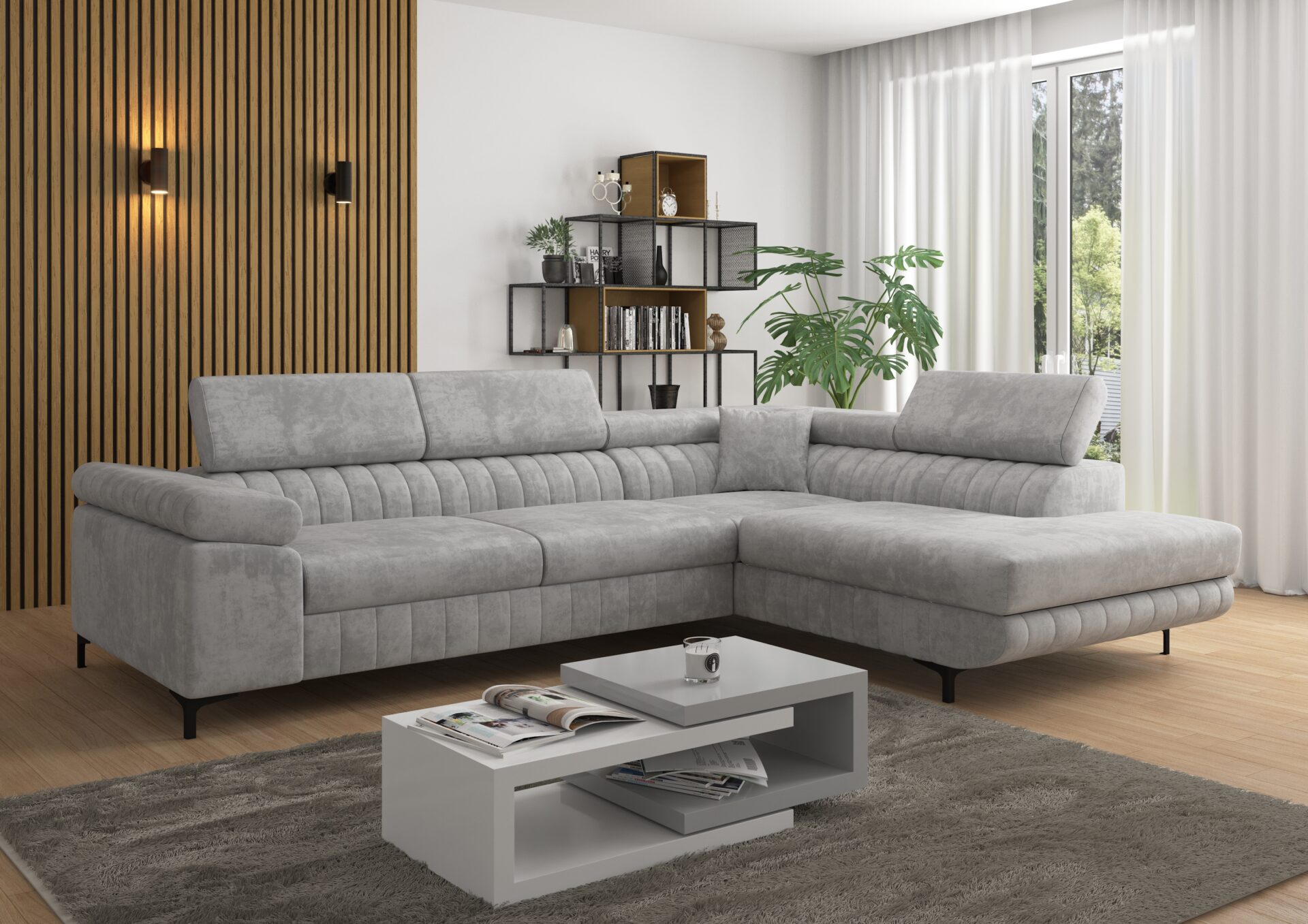
Furniture visualizations in settings are attractive product presentations and, above all, effective marketing tools. A well-designed interior with virtual furniture affects buyers' emotions, stimulates imagination and increases purchase chances. Here are the main reasons to invest in them.
Increasing the offering's appeal
Showing furniture in a setting lets customers see it in a real context. A sofa in a living room or a bed in a bedroom is much easier to imagine within a beautifully designed interior than against a neutral white background. Your products become more attractive to potential customers.
Building an emotional connection with customers
Furniture visualizations in settings evoke emotions. Attractive interiors inspire customers and let them dream about furnishing their own spaces. This emotional connection can be crucial in buying decisions.
Presenting function and proportions
Interior settings show how furniture combines with other furnishings, its proportions within the space and how it can be used. This is particularly important for larger items such as wardrobes or corner sofas, which are difficult to imagine from listed dimensions alone.
Inspiration for customers
Not every customer knows how best to furnish an interior. Visualized settings provide inspiration, showing furniture alongside accessories, wall colours and other furnishings. These suggestions increase the offering's value and position the brand as a design expert.
Adapting to different interior styles
Customers have different style preferences, from classic and modern to industrial and Scandinavian. Visualized settings present furniture in varied styles, reaching a wider audience and adapting promotional materials to specific groups.
Effective presentation of complete collections
Interior settings can show several products from the same collection together. One visualization might include a bed, bedside tables, chest of drawers and wardrobe in a consistent style. Customers see how the elements look together, encouraging larger purchases.
Better brand positioning
Professional visualizations in settings enhance prestige and build a modern, professional brand image. Customers are more inclined to trust brands investing in high-quality promotional materials.
Personal identification with the product
Seeing furniture in settings helps customers imagine it in their own homes. An interior resembling their own allows them to identify with the offering and increases purchase likelihood.
Increasing online shop conversions
Research shows that products presented in settings generate greater customer engagement, directly increasing e-commerce conversions. These visualizations make the offering more attractive and competitive.
Customising the offering
Visualized settings let furniture presentations be adapted to specific customer requirements. Products can appear in different layouts, colours and interior styles, increasing flexibility and meeting individual needs.
-

- Furniture visualizations wooden wardrobe packshot
-

- Furniture visualizations beech cabinet packshot
-

- Furniture visualizations wardrobe interior packshot
-

- Furniture visualizations natural wood chest of drawers
-

- Furniture visualizations bedside table packshot
-

- Furniture visualizations wooden chest of drawers packshot
-

- Furniture visualizations chest of drawers front packshot
-

- Furniture visualizations black bedside table packshot
-

- Furniture visualizations side table
-

- Furniture visualizations modern desk on a white background
-

- Furniture visualizations modern desk packshot
Furniture packshots: what are they?
Packshots, or product visualizations on a white background, are integral to effective marketing and online sales. They are indispensable for furniture manufacturers and retailers, as well as other industries, in presenting products professionally and attractively. Here are the main reasons to choose packshots.
A professional product appearance
Packshots are highly attractive and show products in their best light. A neutral white background focuses all attention on the product's details, finishes and craftsmanship. A packshot directly affects first impressions, which determine interest in the offering.
Versatile applications
Packshots can be used in marketing materials such as:
- E-commerce platforms: Amazon, Allegro, Etsy and others require white-background images.
- Printed catalogues: professional product images are ideal for brochures and catalogues.
- Online advertisements: packshots underpin banners, newsletters and social media posts.
Their versatility makes them indispensable for product promotion.
Highlighting product details
Packshots show every detail, from material texture and colour to finishing precision. High-resolution views let customers examine appearance thoroughly, building trust and increasing purchase chances.
Meeting sales platform requirements
Many popular sales platforms require white-background product images to eliminate distractions. Packshots meet these technical and aesthetic requirements perfectly.
Easy presentation of multiple product variants
Packshots easily present variants such as colours, sizes and materials in a consistent, professional format, helping customers compare options and choose the best solution.
Saving time and costs
Compared with traditional photography, packshot visualizations save on logistics, studio hire and photo shoots. 3D technology makes them quick to create and modify, significantly reducing marketing preparation time.
Supporting customers' buying decisions
Packshots provide all the visual information customers need to decide. Clear, professional presentation removes doubts and increases online shop conversions.
Standing out from competitors
In e-commerce, where customers have many offers to choose from, professional packshots help distinguish your business. Attractive white-background images build a positive brand image and credibility.
Working with products that do not yet exist
With 3D visualizations, you can create packshots even for products not yet manufactured. This is excellent for companies launching new lines and wanting to present them before production.
Adapting to the marketing strategy
Packshots are highly flexible, adaptable to formats and styles matching a specific marketing strategy. They are a versatile tool for consistent visual brand communication.
Furniture visualizations or furniture photography?
Choosing between furniture visualizations and traditional photography often depends on the company and its offering. 3D visualizations have become hugely popular thanks to flexibility, cost efficiency and presentation quality. Here are reasons they may be better than traditional photography.
1. Flexibility and quick changes
3D visualizations allow any design modification at any time. Changing furniture colour, interior layout or background does not require another photo shoot.
- Example: A manufacturer wants to show a bed in five wood shades. In a visualization, changing colour takes a few clicks. Traditional photography would require manufacturing and separately photographing every version.
2. High quality and realism
Modern 3D visualizations are almost indistinguishable from photographs. Advanced rendering reproduces materials, details and lighting perfectly. Image quality is always controlled, without the risk of a poor photograph due to lighting or camera problems.
- Example: Wood grain, lacquer sheen and small finishing details are as visible as in the best photograph.
3. Saving time and costs
A photo shoot requires studio and photographer hire, furniture transport and often interior decorations. Visualizations avoid these expenses.
- Benefit: A 3D model can be reused for catalogues, websites, sales platforms and advertising campaigns.
4. Presenting products in different variants
If furniture comes in different colours, sizes or finishes, visualizations show each without manufacturing physical prototypes.
- Example: A client sells a sofa available in 10 upholstery fabrics. Visualizations present every variant without producing actual units.
5. No restrictions on interior settings
Photo shoots often require location hire or set building, which is expensive and time-consuming. Furniture visualizations allow any virtual interior: a minimalist living room, classic bedroom or industrial office, depending on needs and creativity.
- Example: Want to show furniture in different styles? In visualizations, simply change the interior design without additional costs.
6. Fast changes
Online sales require rapid responses to customer needs. 3D visualizations allow instant updates, from changing colours to adjusting product proportions.
- Benefit: If the company adopts a new marketing strategy, visualizations can quickly adapt to new guidelines.
7. Working with products that do not yet exist
Visualizations present products before physical manufacture, particularly useful for launching collections when promotional preparation time is limited.
- Example: A manufacturer planning a furniture line launch wants to present it at a trade fair. Visualizations allow catalogues, banners and promotional materials to be created long before production finishes.
8. Easy adaptation to different sales platforms
Every platform, including Allegro, Amazon and Etsy, has product image requirements. 3D visualizations can match any specification, from resolution to file format.
9. No risk of transport damage
Traditional shoots require furniture transport to a studio, risking damage. Visualizations eliminate this problem through entirely digital work.
10. Standing out from competitors
Furniture visualizations are increasingly popular, but not every manufacturer uses them. They help you stand out with modern, attractive materials tailored to customers' needs.
How do we create furniture visualizations?
Furniture visualization combines creativity, technology and precision. Every stage is essential to a photorealistic result meeting client expectations. Below are the main steps.
1. Analysing client needs and gathering materials
First, we understand the client's expectations and gather materials: technical drawings, reference photos and details of dimensions, colours, textures and finishes. We establish whether to show the product in a setting, as a packshot or both. We also discuss setting style, such as modern, classic or minimalist, and whether the visualization should be emotional or technical.
2. Creating the 3D model
We model the furniture in 3D software using the client's technical drawings or reference photos. We attend to proportions, finishes and material textures to make the model faithful to reality. We test its proportions and detail to ensure it meets the design assumptions.
3. Preparing materials and textures
Next, we add materials for a realistic appearance. Wood, metal, glass and fabric textures are matched closely to the client's specifications. We set gloss, transparency and light response to convey material properties, testing them under different lighting.
4. Creating the interior setting
For lifestyle visualizations, we design an interior matching the client's requirements, such as modern, rustic or industrial. Lighting, rugs, plants and artwork emphasise the furniture's strengths. The composition makes the product the main subject while integrating it into the overall setting.
5. Setting lighting and cameras
Lighting is essential for photorealism. We place natural or artificial lights to highlight texture, shape and details. We choose angles showing the product effectively both close up and in the wider interior, testing setups for the best perspective and atmosphere.
6. Rendering
Rendering generates the final visualization image. We set a high resolution for excellent online and print appearance. Depending on scene complexity, rendering takes several hours to several days. We review finished images to ensure all requirements are met.