Architectural visualizations have become an integral part of the design and sales process in real estate. They make it possible to present a building attractively and understandably before construction begins. Once largely limited to still images, they now offer a much broader range of possibilities. From simple photorealistic renders and cinematic animations to virtual tours and augmented reality, architecture can truly come alive on screen.
Still architectural visualizations: the foundation of presentation
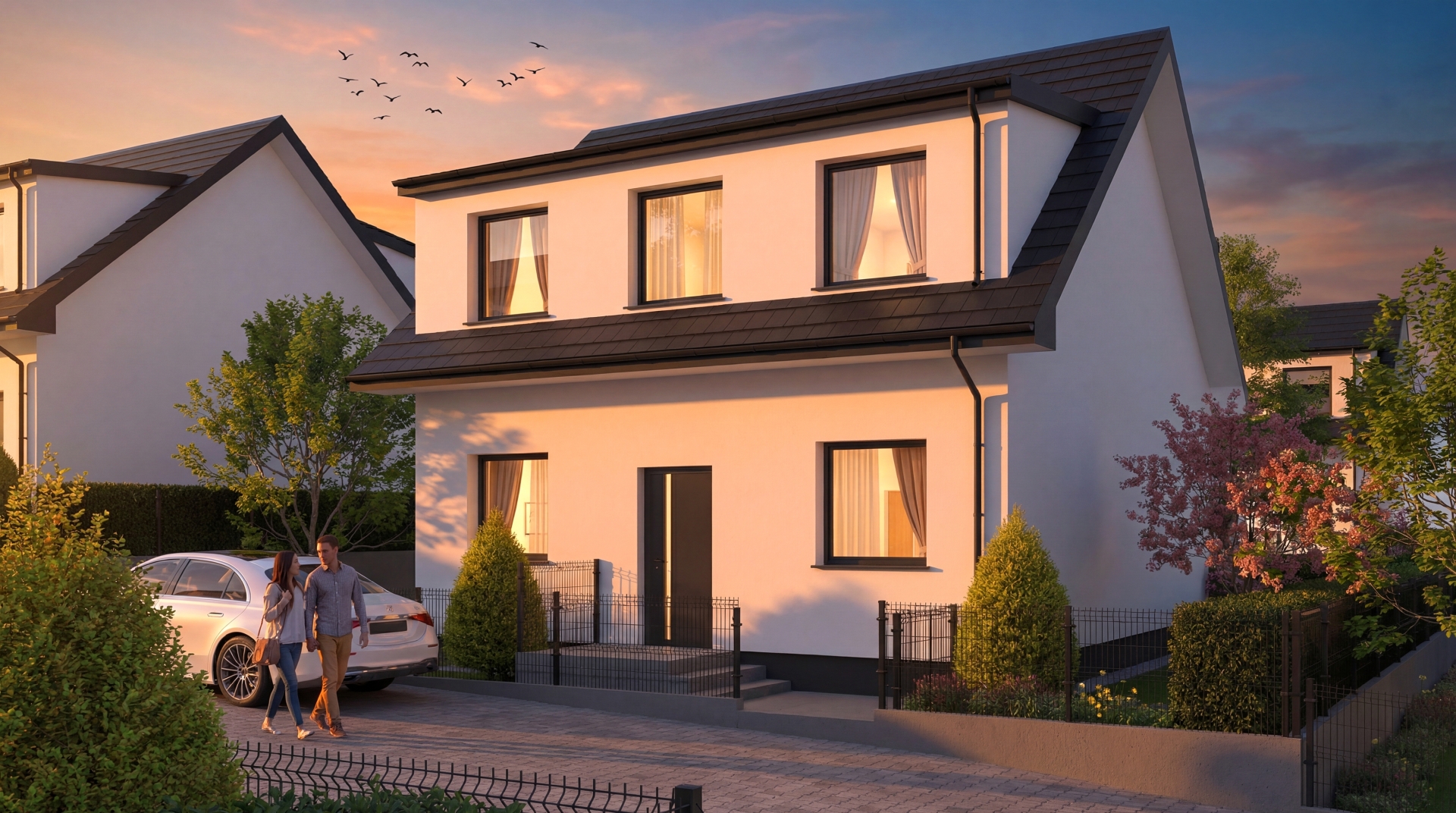
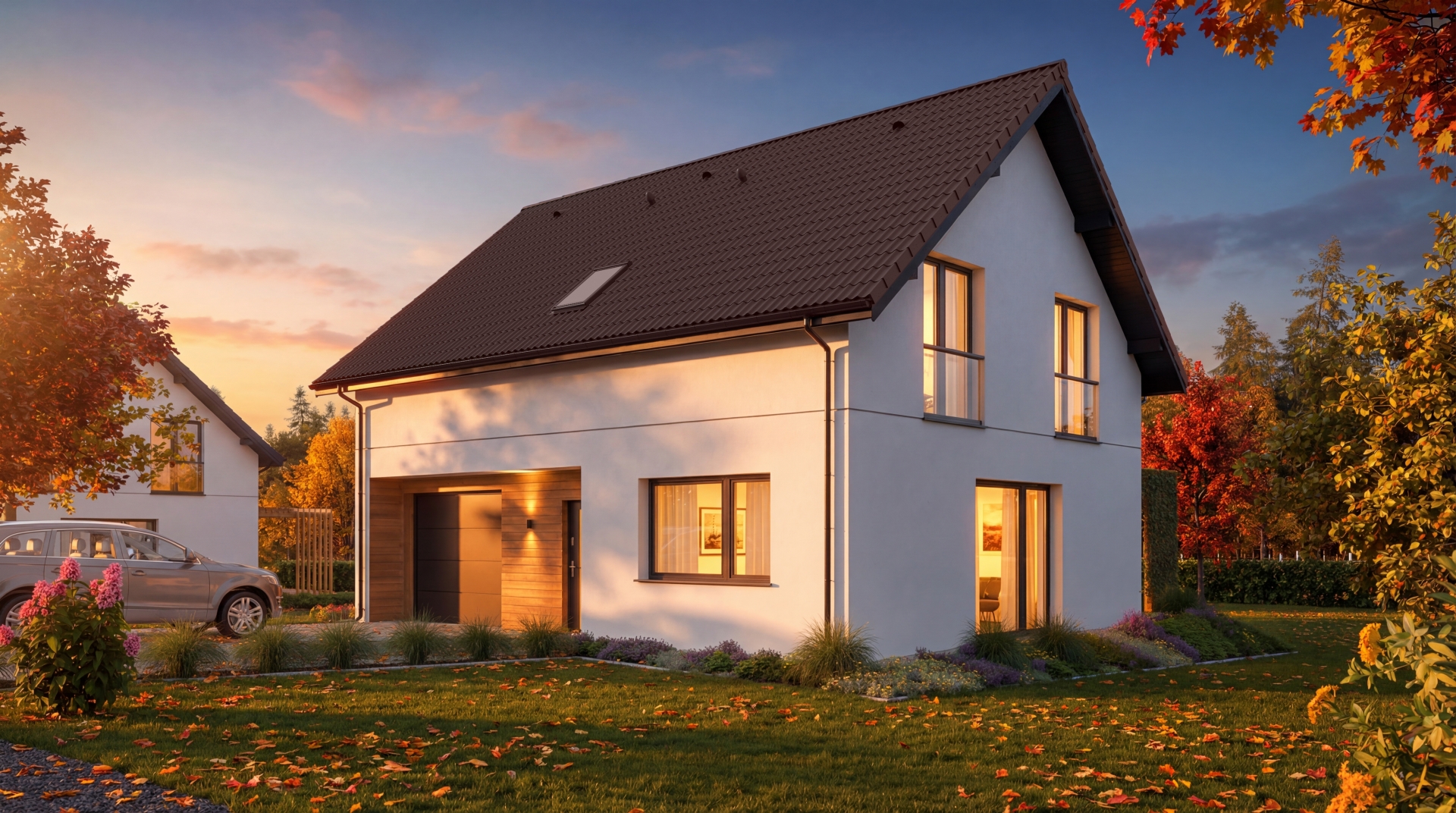
The most basic and most frequently chosen form of visualization is the still architectural render. These high-quality images show a building realistically, including materials, textures and surroundings.
Still visualizations work extremely well in marketing materials, from brochures and catalogues to websites and client development presentations. They provide a quick and impressive way to show a project's advantages, covering both the whole building and architectural details.
Main advantages of still renders:
-
Faster production than more advanced presentation formats.
-
The ability to prepare several colour or material versions.
-
Lower costs compared with animations or VR tours.
-
Versatile use, from print to the internet.
Architectural animations: the project in motion
The next step is architectural animation, which presents a project dynamically. Instead of a single view, the client receives a film in which the camera moves smoothly around the building or through its rooms.
Animations introduce storytelling: they can tell the story of a development, show life around the building or highlight unique details. This particularly impressive solution is ideal for trade fairs, conferences and online campaigns.
Why do architectural animations make such an impression?
They convey scale and space more intuitively than still images.
They guide the viewer through the project cinematically.
They strengthen the marketing message and increase the development's appeal.
They work very well on social media, where short, impressive films attract attention.
Simulations of weather and lighting conditions
One of the most interesting aspects of modern visualizations is the ability to reproduce changing weather and lighting realistically. Advanced software can simulate how a building will look under different conditions.
Weather and time of day
Changing weather, from full sunshine through overcast skies to rain, helps explain how the project will fit into its surroundings. The same applies to the time of day: morning light, golden hour and nighttime scenes give the building entirely different characters.
Night lighting
Visualizations showing a building's lighting after dark are equally important. Modern architecture increasingly uses striking illumination to emphasise its form and facade details. Visualizations allow selected lighting solutions to be assessed for their effect on the development's appearance.
Realism through simulation
Advanced tools can accurately reproduce lighting conditions for a chosen location anywhere in the world. The time zone, season and hour can be set to check how sunlight will enter the interiors or how the building's shadow will fall across the plot. This greatly assists both architects and investors.
Virtual tours and augmented reality (AR)
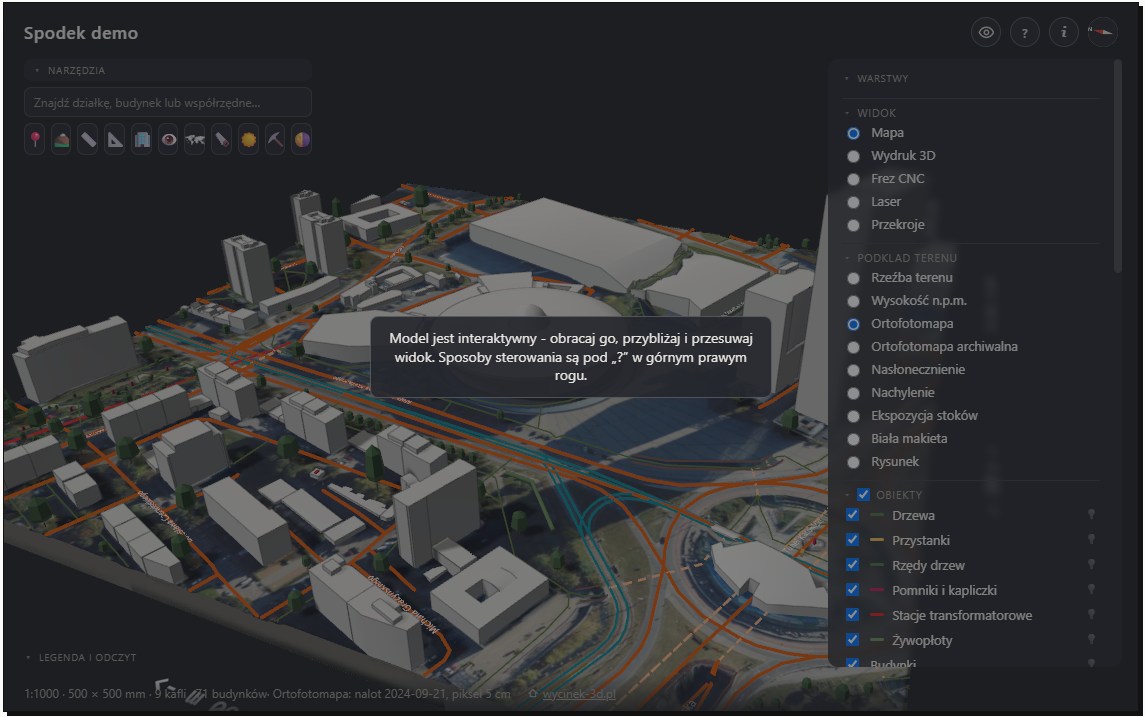
The most immersive architectural visualization formats are interactive virtual tours and solutions based on AR (augmented reality).
Virtual 3D tours
A VR tour lets users move around a building in real time. They can enter the living room, look into the kitchen or step onto the terrace, all without leaving their chair. Presentations like these give clients a complete sense of space and proportion.
Augmented reality in architecture
AR overlays the design onto real surroundings. With a smartphone or tablet, an investor can see how the planned building will look on its plot. It is an extremely effective sales tool, immediately answering questions such as “Will this house suit its surroundings?” or “How will it look alongside neighbouring buildings?”.
Practical uses of VR and AR
Presentations for individual clients who want a precise feel for the space.
A tool for real estate developers and sales offices to offer clients a distinctive experience.
An attractive, engaging way to present developments at property fairs.
Why invest in different architectural visualization formats?
Each type has its strengths and applications. Still renders offer speed and simplicity, animations introduce movement and emotion, lighting and weather simulations add realism, and VR tours and AR provide interactivity and modern presentation.
Choosing the right solution depends on the presentation's purpose. Renders work best for printed materials. Animations make online campaigns more attractive. Investors who want the fullest possible understanding of the project will appreciate virtual tours.
Summary
Modern architectural visualizations are more than images: they offer a complete experience that engages and persuades. They present a project comprehensively, in different weather, at any time of day, with impressive lighting and the possibility of interactive exploration.
Architecture comes alive on screen, while investors and clients gain confidence that they are choosing a solution suited to their needs. Investing in visualizations is now a necessity rather than a luxury: a tool that supports sales, simplifies design and builds trust in the development.