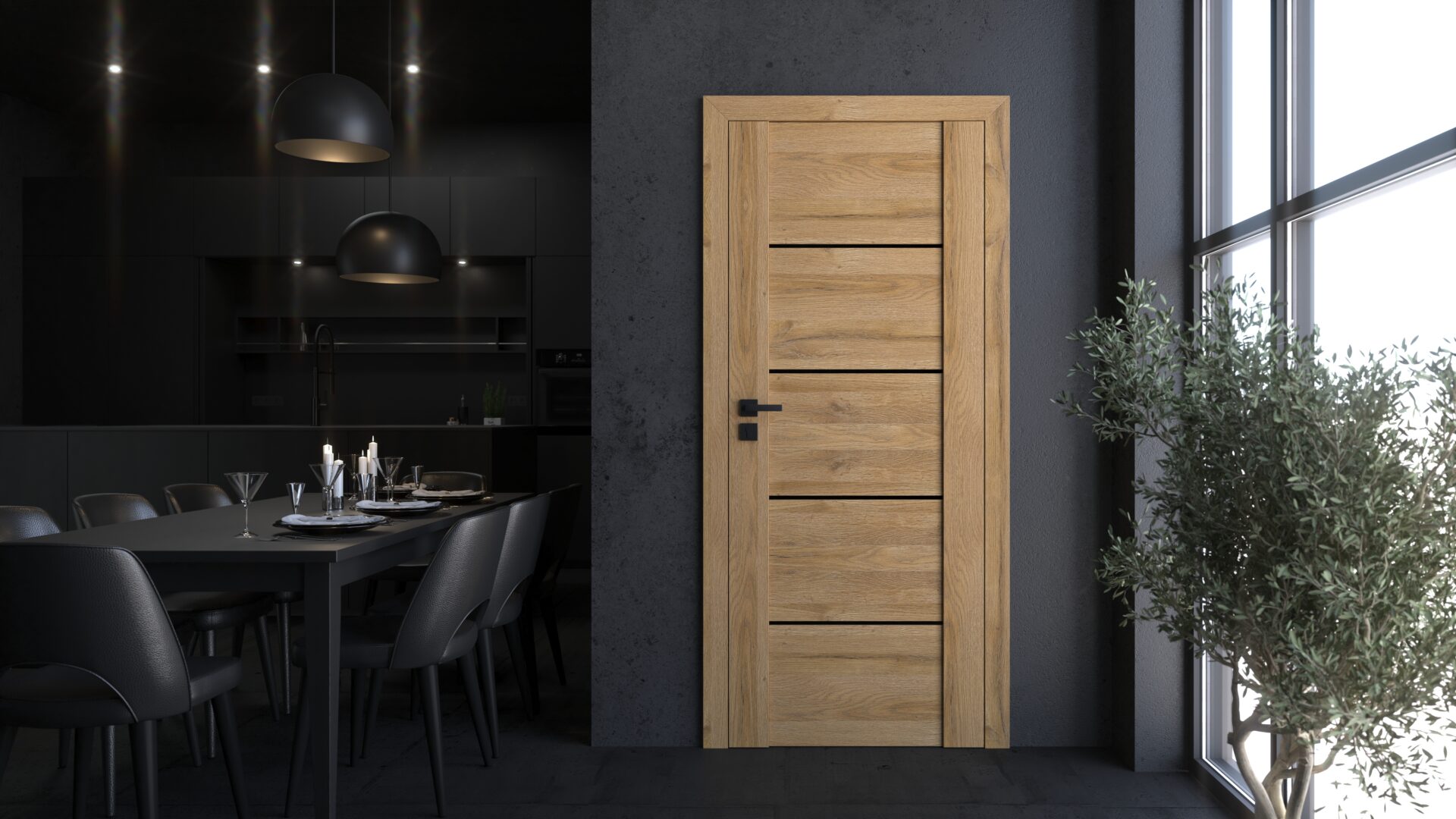
For our client, a fireplace manufacturer, we created comprehensive product visualizations including fireplaces in interior settings, cutaways showing their construction and operation, and packshots for catalogues and e-commerce. The aim was to present the product attractively, educate customers and make buying decisions easier.
Realistic fireplace visualizations show how a model will look in a particular interior, how it matches other furnishings and its proportions within the space. Technical cutaways showed the fireplaces' construction, which is important to technical customers and installers.
High-resolution packshots provided detailed views essential for online sales. Accurate reproduction of materials such as glass, steel and stone makes the visualizations resemble professional product photographs while offering much greater freedom in creating surroundings and lighting.
What is needed to create a 3D visualization?
To create professional 3D fireplace visualizations, the manufacturer needs to supply appropriate materials and information. The key elements are:
3D models : if the manufacturer already has models in formats such as STEP, OBJ or FBX, the visualization process can be faster.
Technical drawings : plans, diagrams, sections and dimensions help create realistic fireplace models.
Hand-drawn sketches : when ready models are unavailable, even simple conceptual drawings can help.
Information about the interior setting's style : is the product intended for modern, rustic, loft or classic interiors?
Target audience : understanding the audience helps adapt the visualization's style and message to customer preferences.
The more detail we receive at the start, the more appropriate and realistic the final visualizations will be.
How are renders created?
A render is a computer-generated image based on a 3D model. Its creation involves several key stages:
3D modeling : creating product geometry in dedicated applications such as Blender, 3ds Max or Cinema 4D.
Texturing : applying realistic surfaces, textures and colours to make the product look like its real counterpart.
Lighting and scene setup : simulating natural and artificial light to emphasise the product's shape and materials.
Rendering : converting the 3D scene into a high-quality two-dimensional image, requiring advanced calculations.
Post-production : final adjustments, colour correction and finishing effects.
This process creates realistic visualizations for catalogues, advertisements and online shops. Read more about the importance of product visualizations in our article "Packaging visualizations: the key to effective product presentation".
What other products are worth visualizing?
Product visualizations are indispensable in many industries. Besides fireplaces, worthwhile investments include:
Furniture visualizations : showing products' design, textures and proportions before manufacture. Explore our furniture visualization services.
Architectural visualizations : useful for real estate developers and architects, showing a future development before construction. Explore visualization services for real estate developers and architects.
Technology product and electronics visualizations : helping show details and functions precisely.
CGI animations : ideal for dynamically presenting how a product works. Explore our animation services.
Summary
The fireplace renders we created demonstrate how 3D visualizations support effective sales. From interior settings and technical cutaways to high-quality packshots, every element builds a better buying experience.
To present your product professionally, get in touch: Contact Pogotowie 3D. Also explore other blog articles to learn more about visualizations and their role in product marketing!