Visiting the Vintage Car Museum in Rosienica: classic elegance and inspiration for contemporary creators
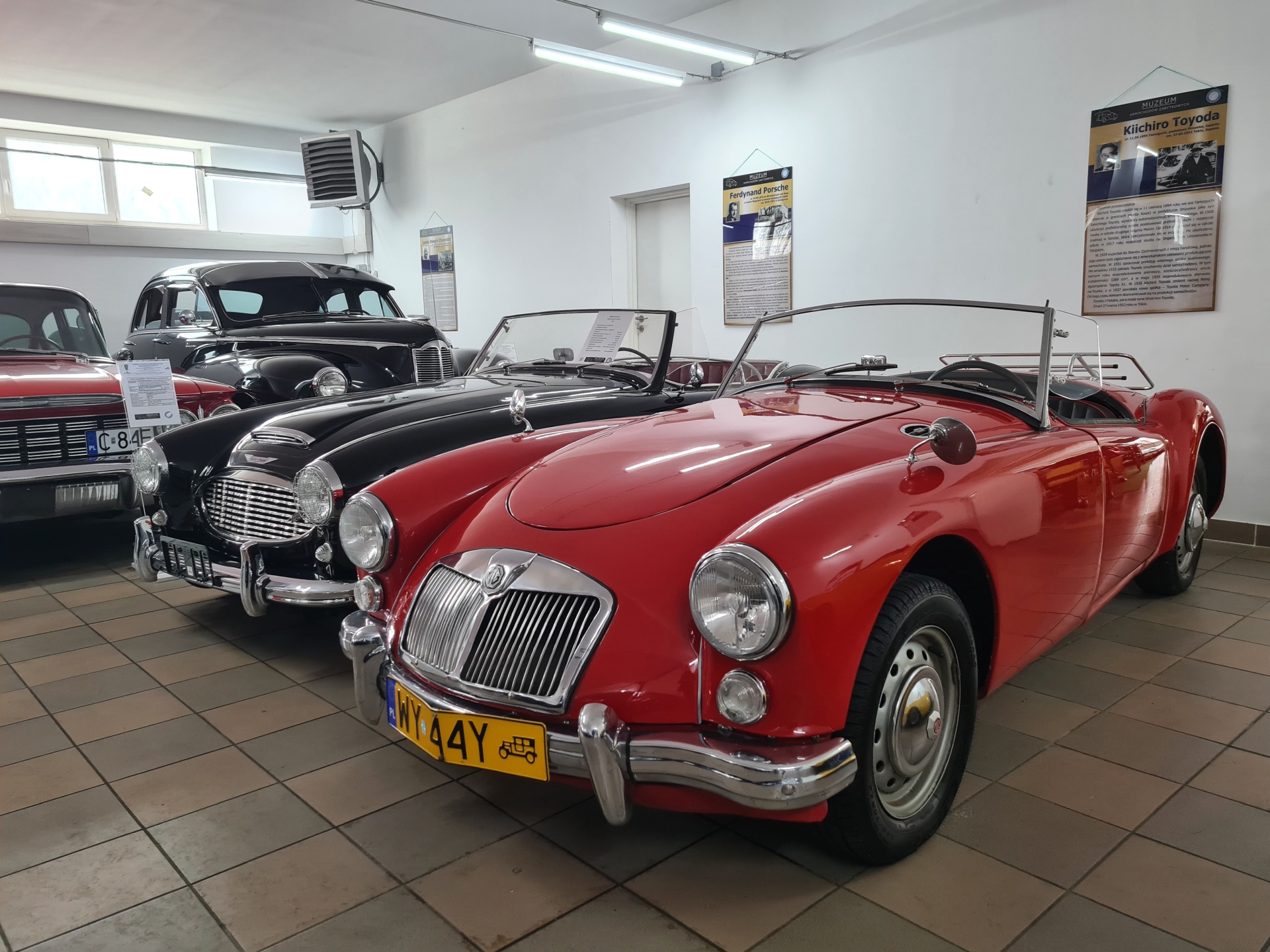
We had the pleasure of visiting an extraordinary place combining a passion for cars, history and design: the Vintage Car Museum in Rosienica. For us, working with design and the aesthetics of form, the visit was a wonderful feast and a reminder of the enormous importance of attention to detail and a feel for form in design.
When every detail matters
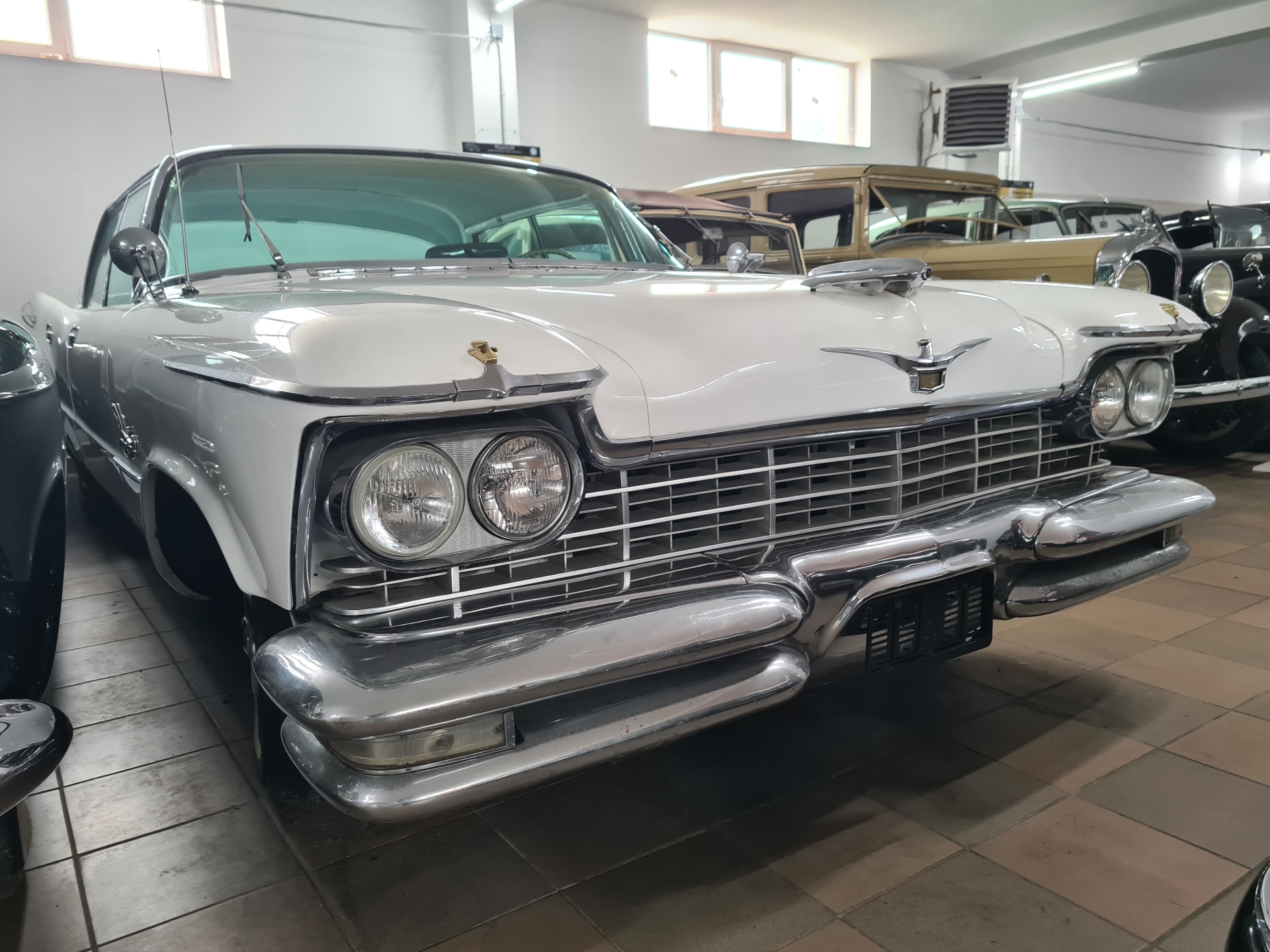
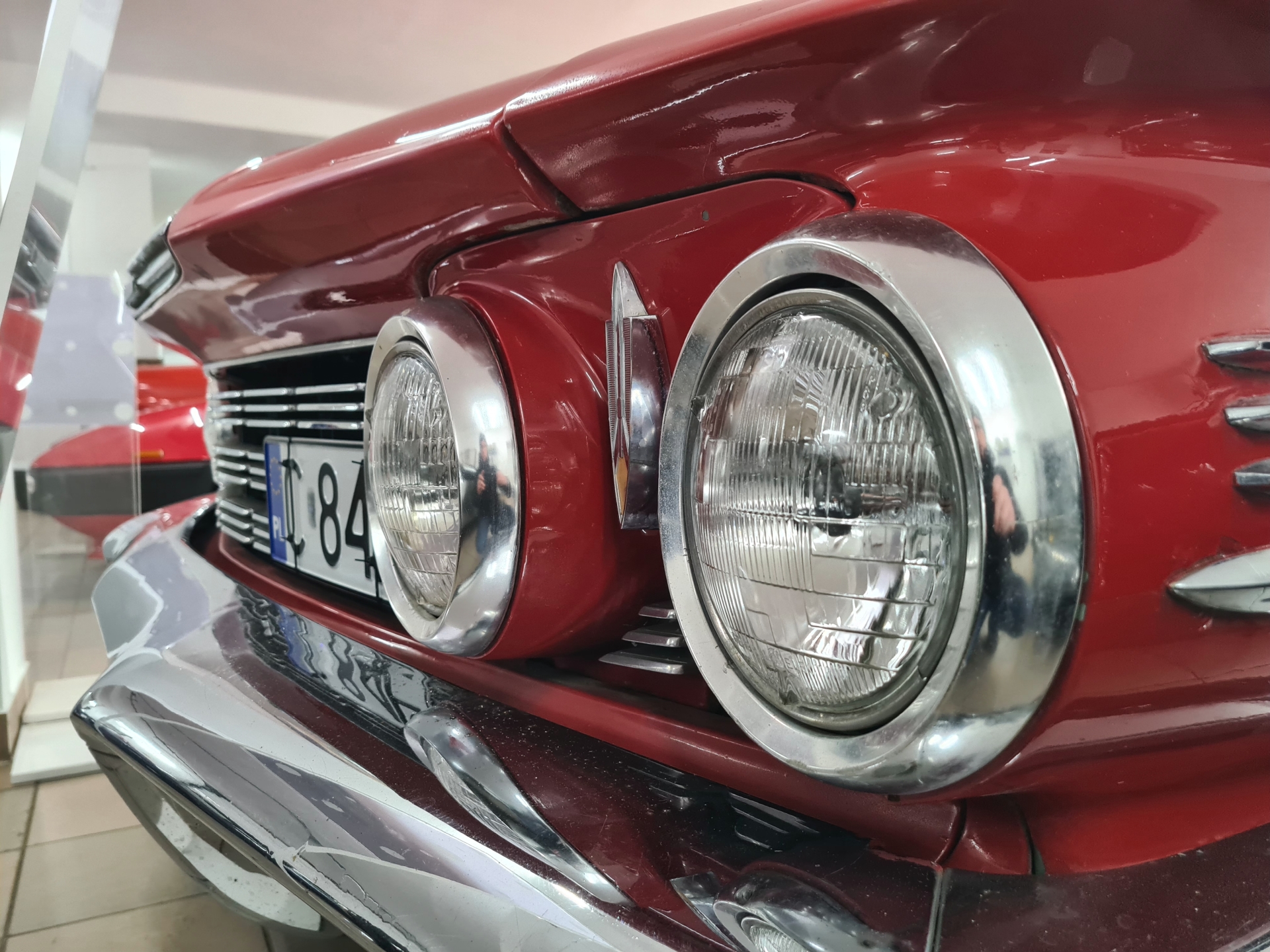
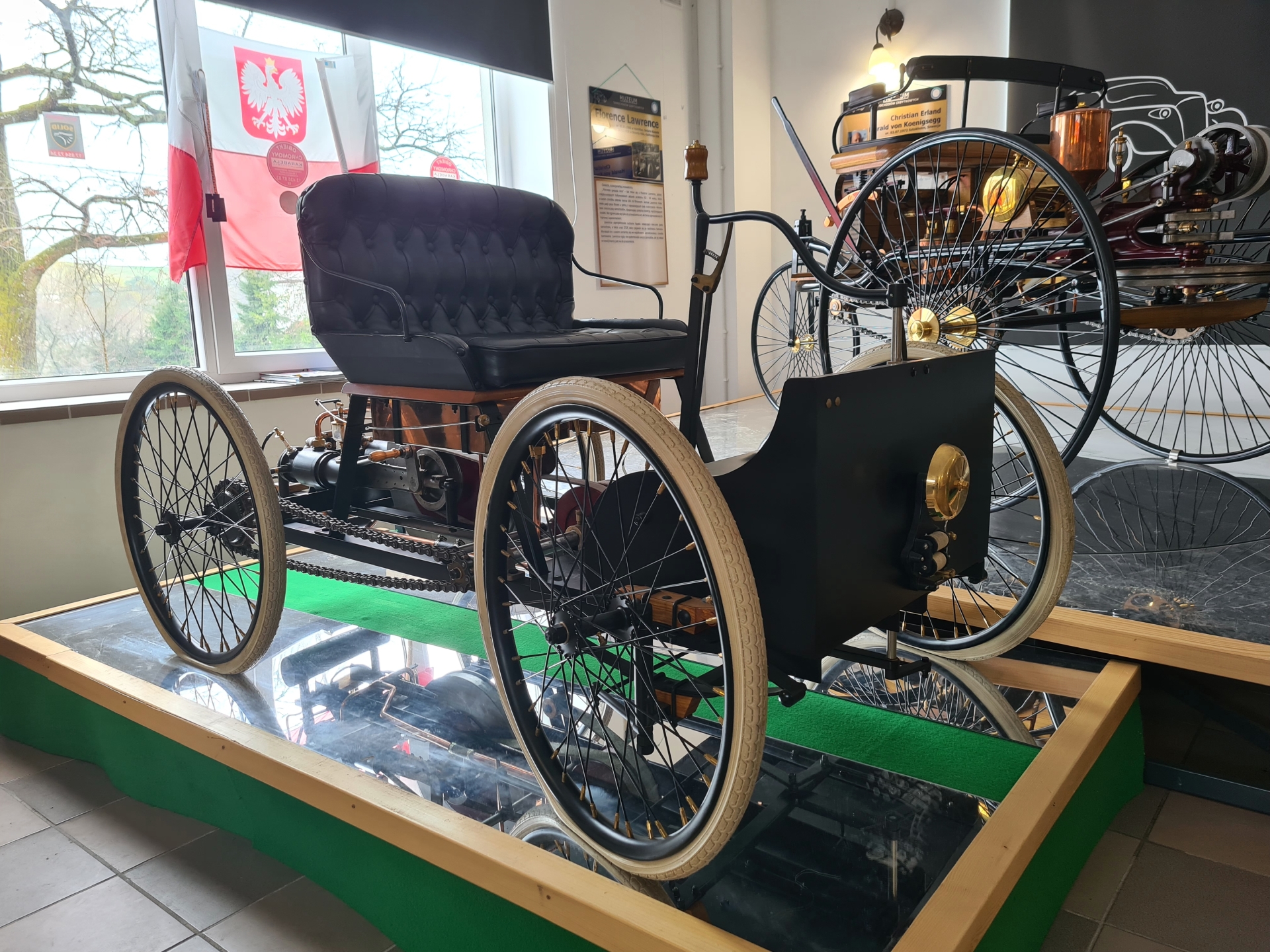
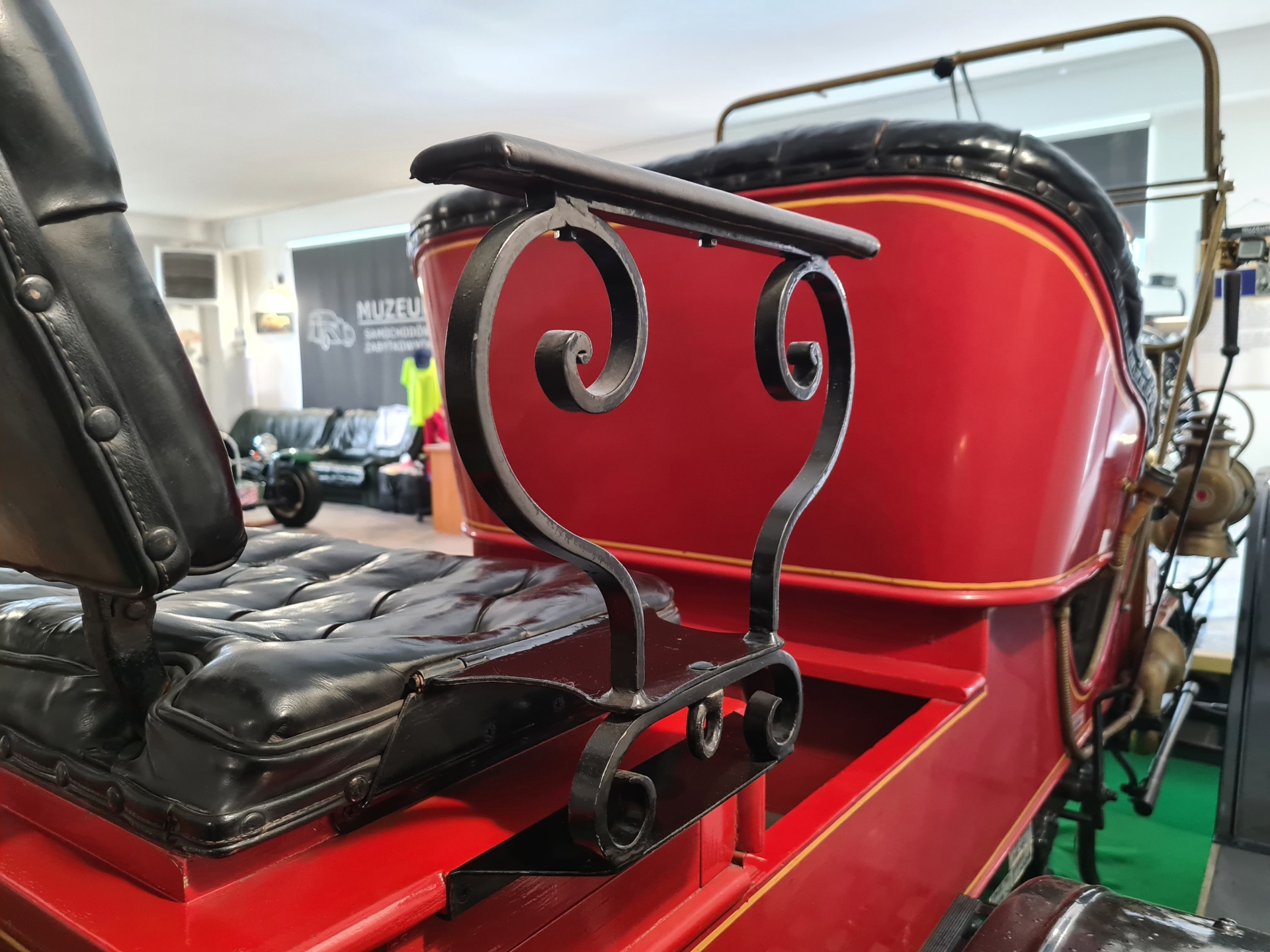
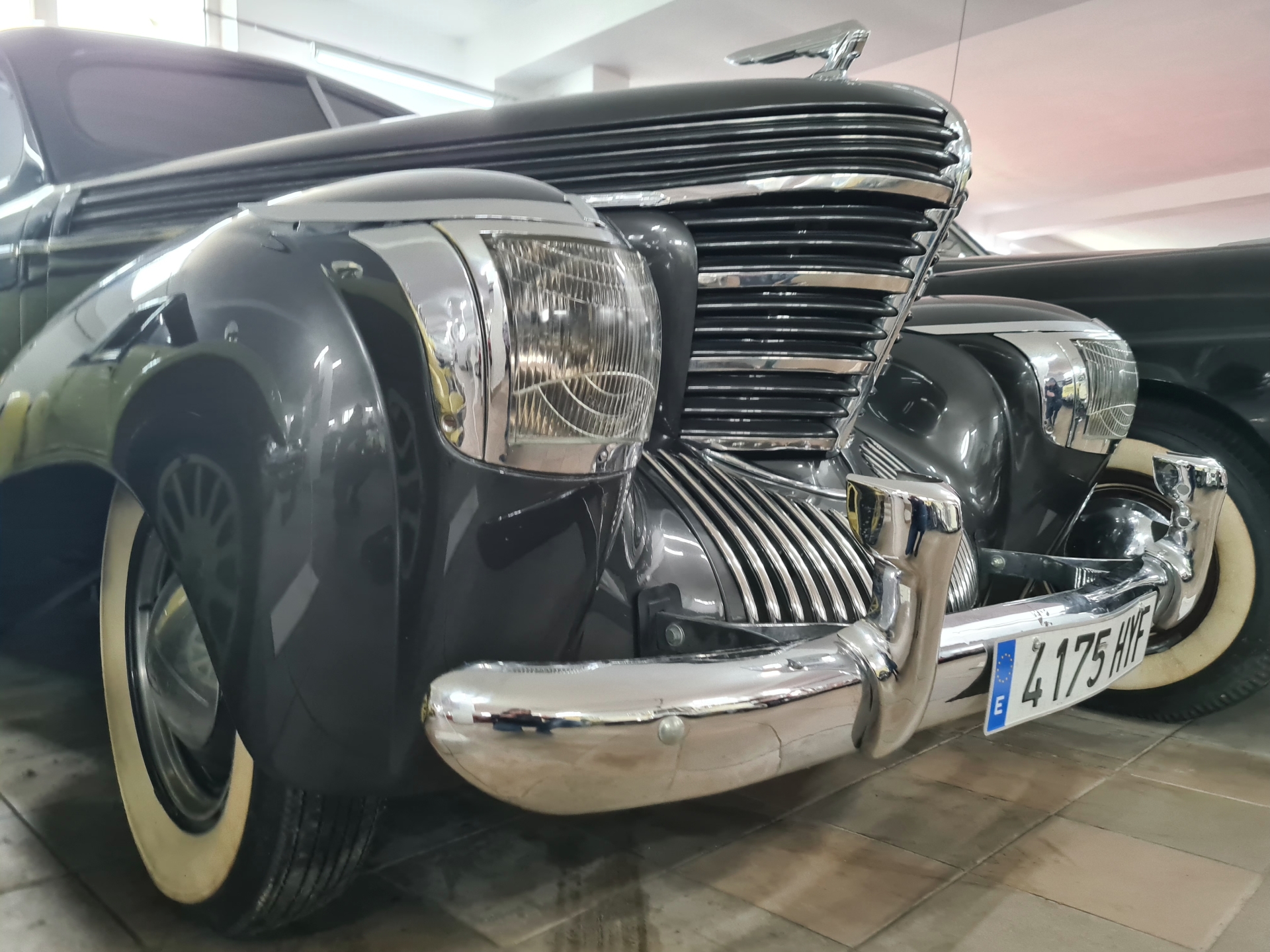
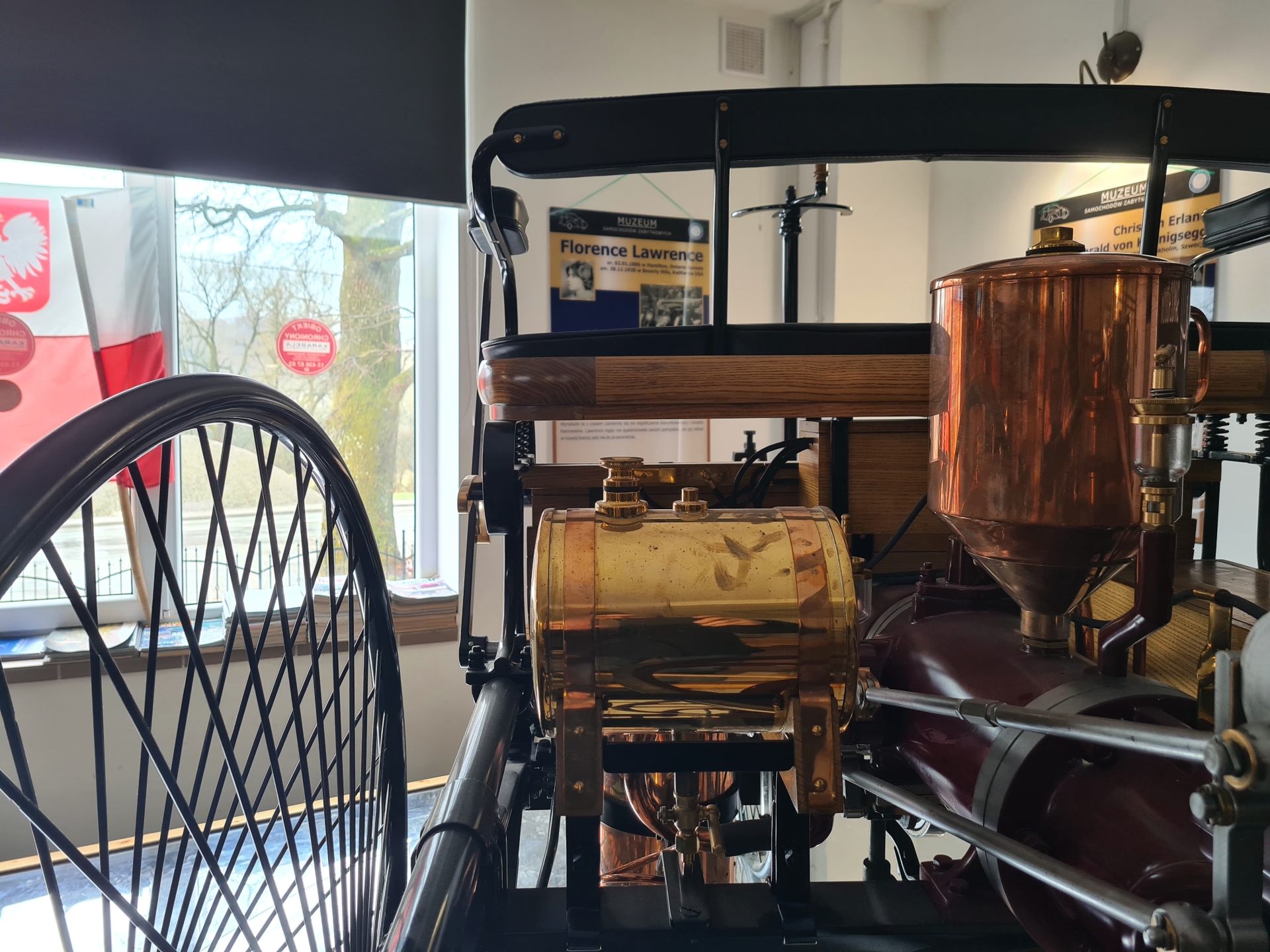
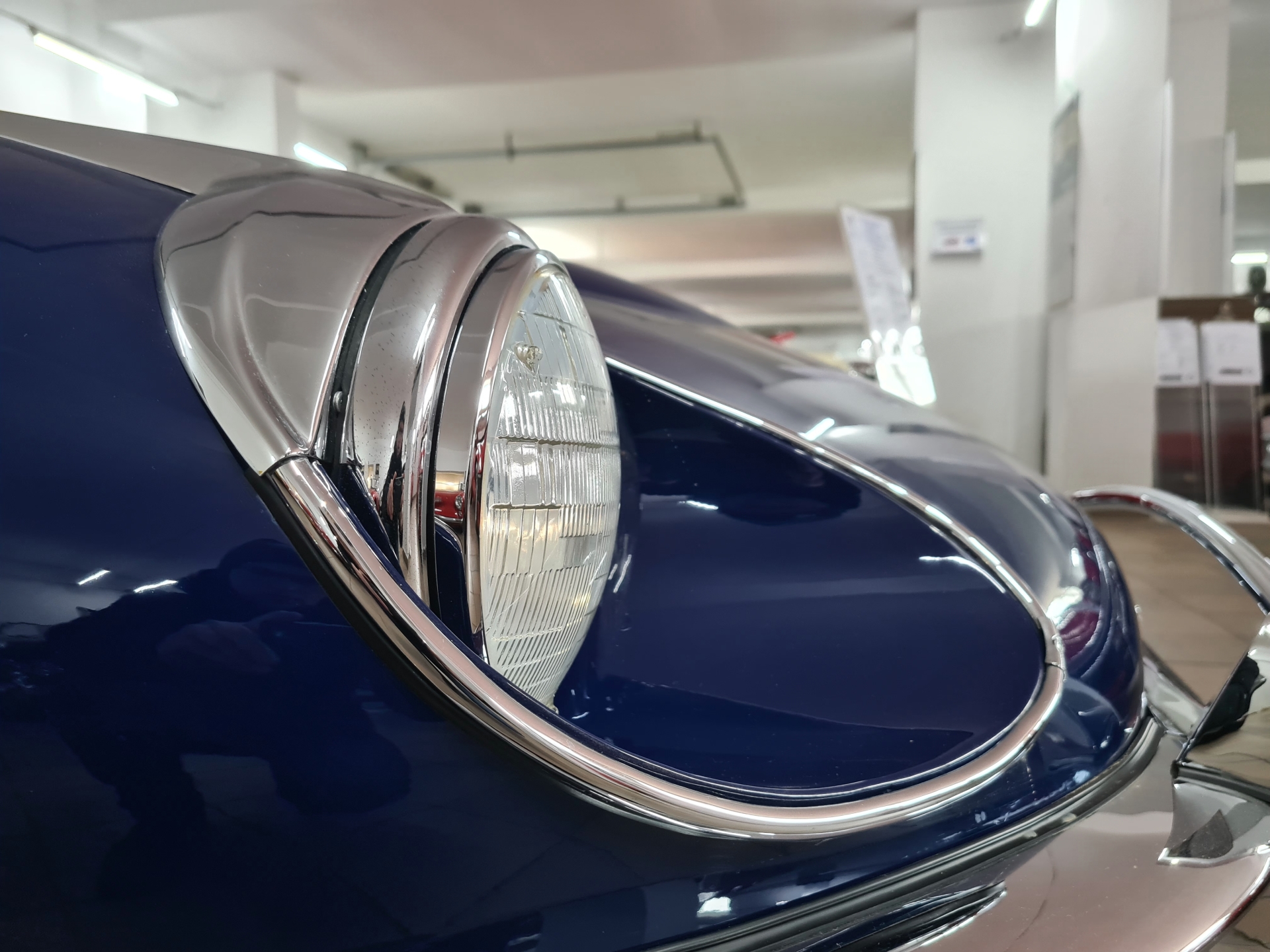
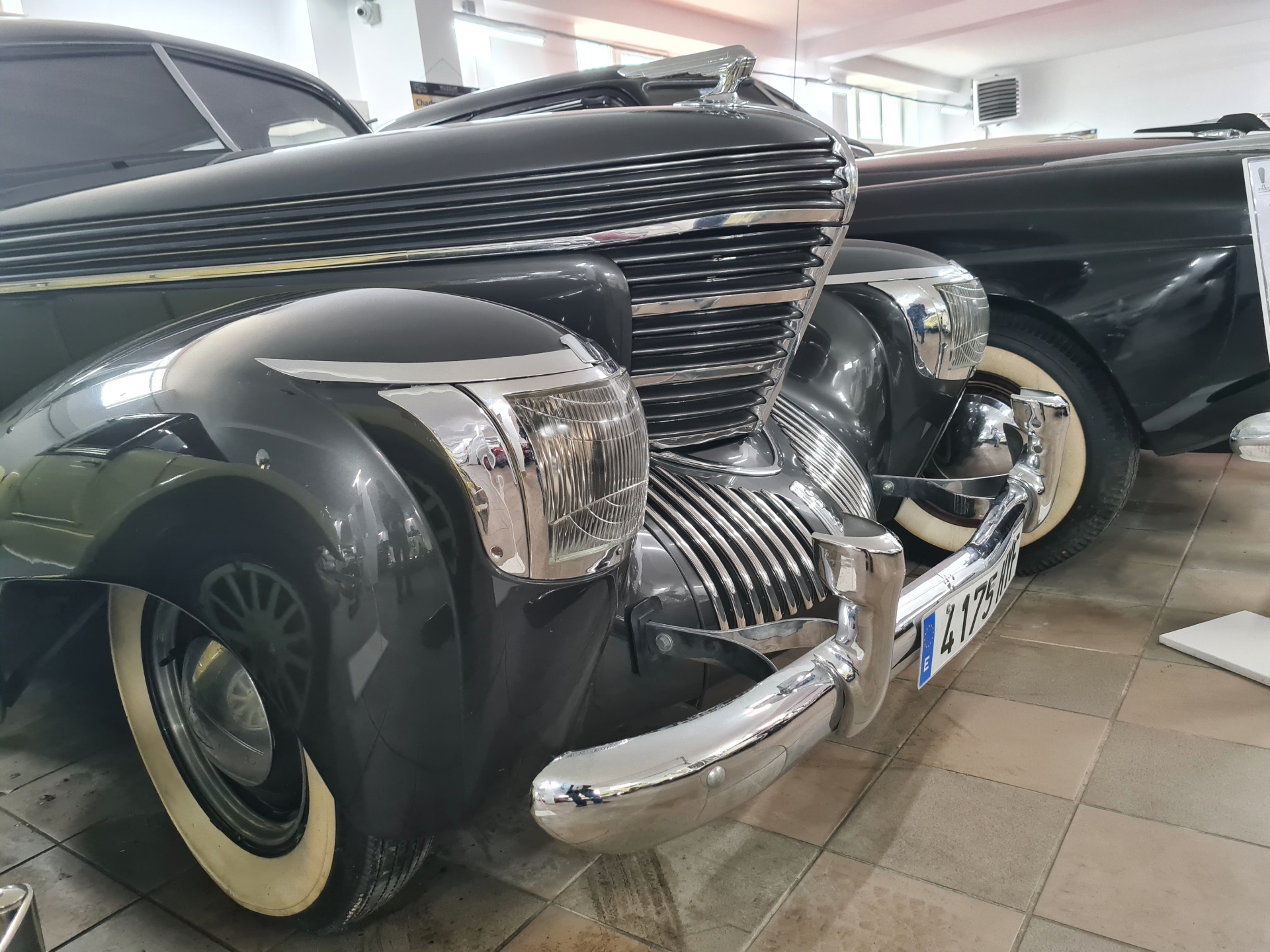
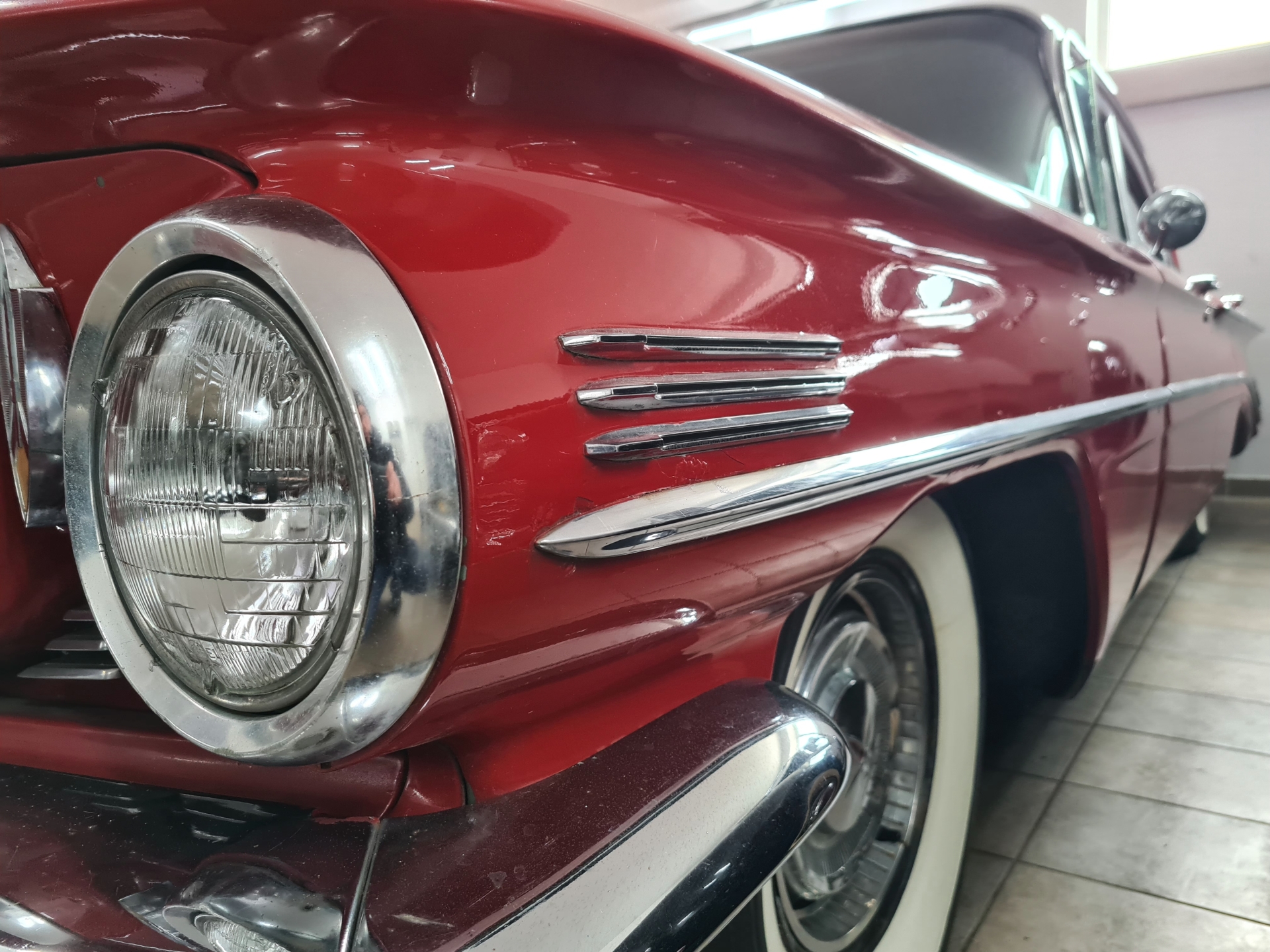
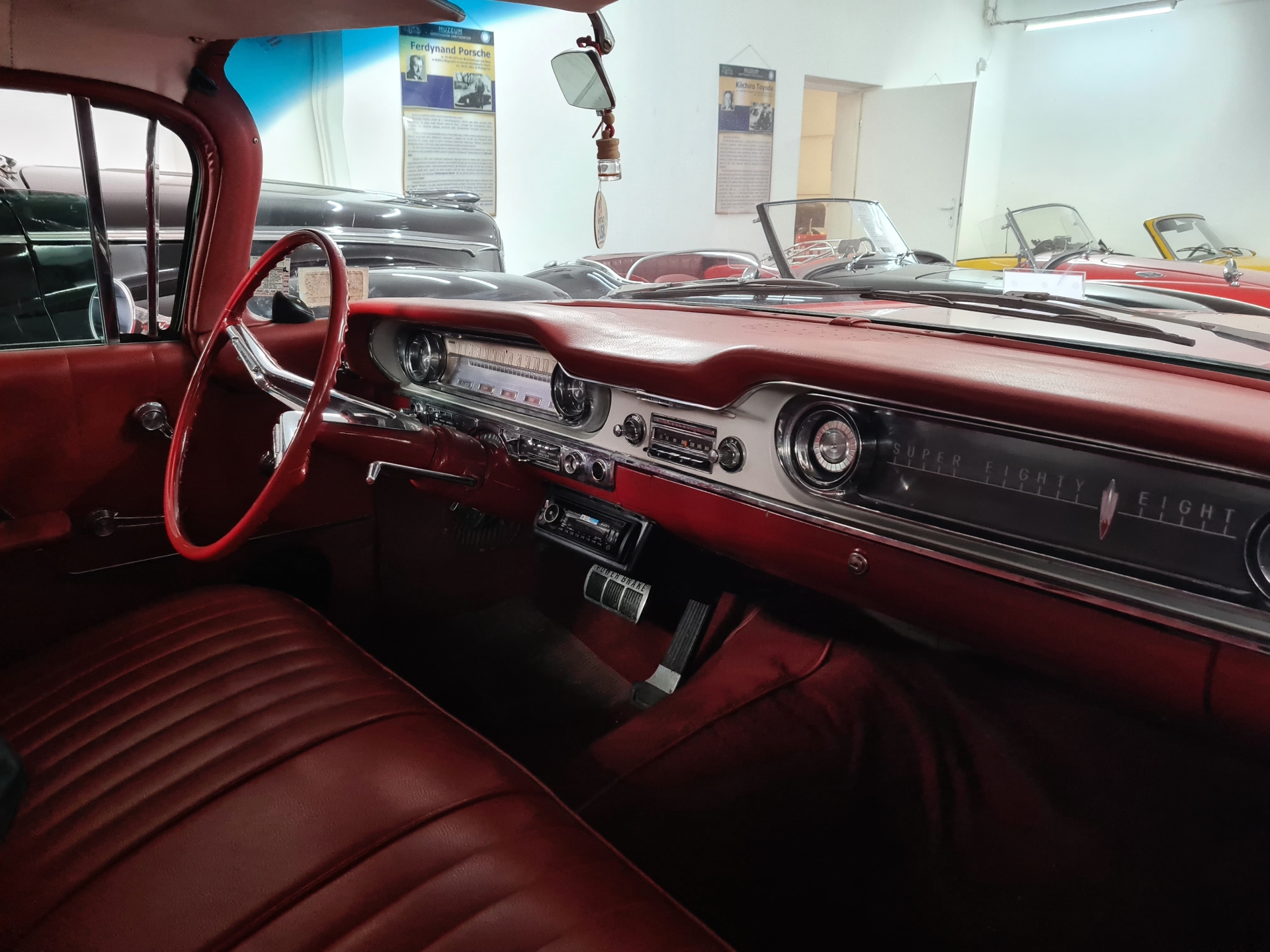
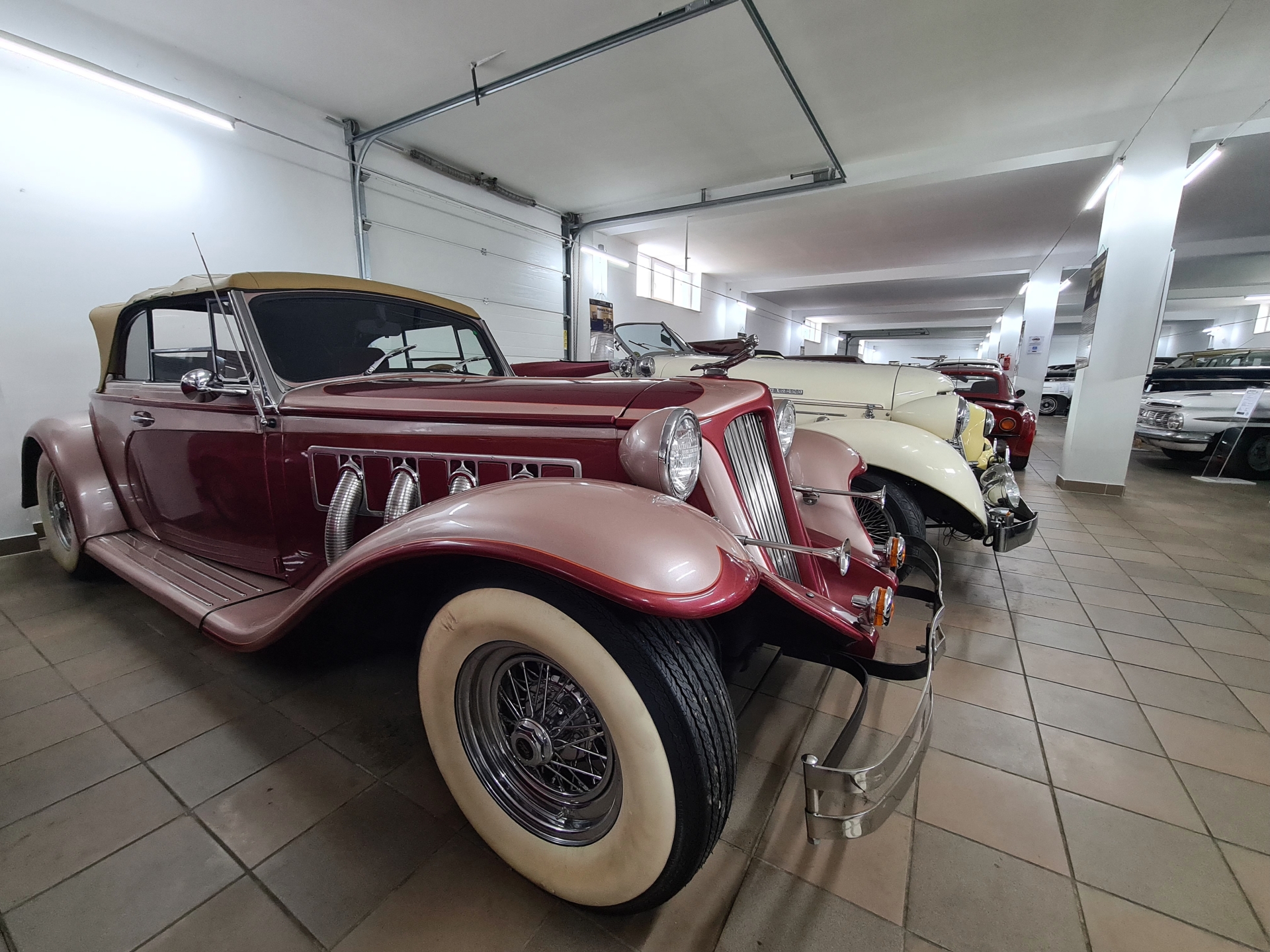
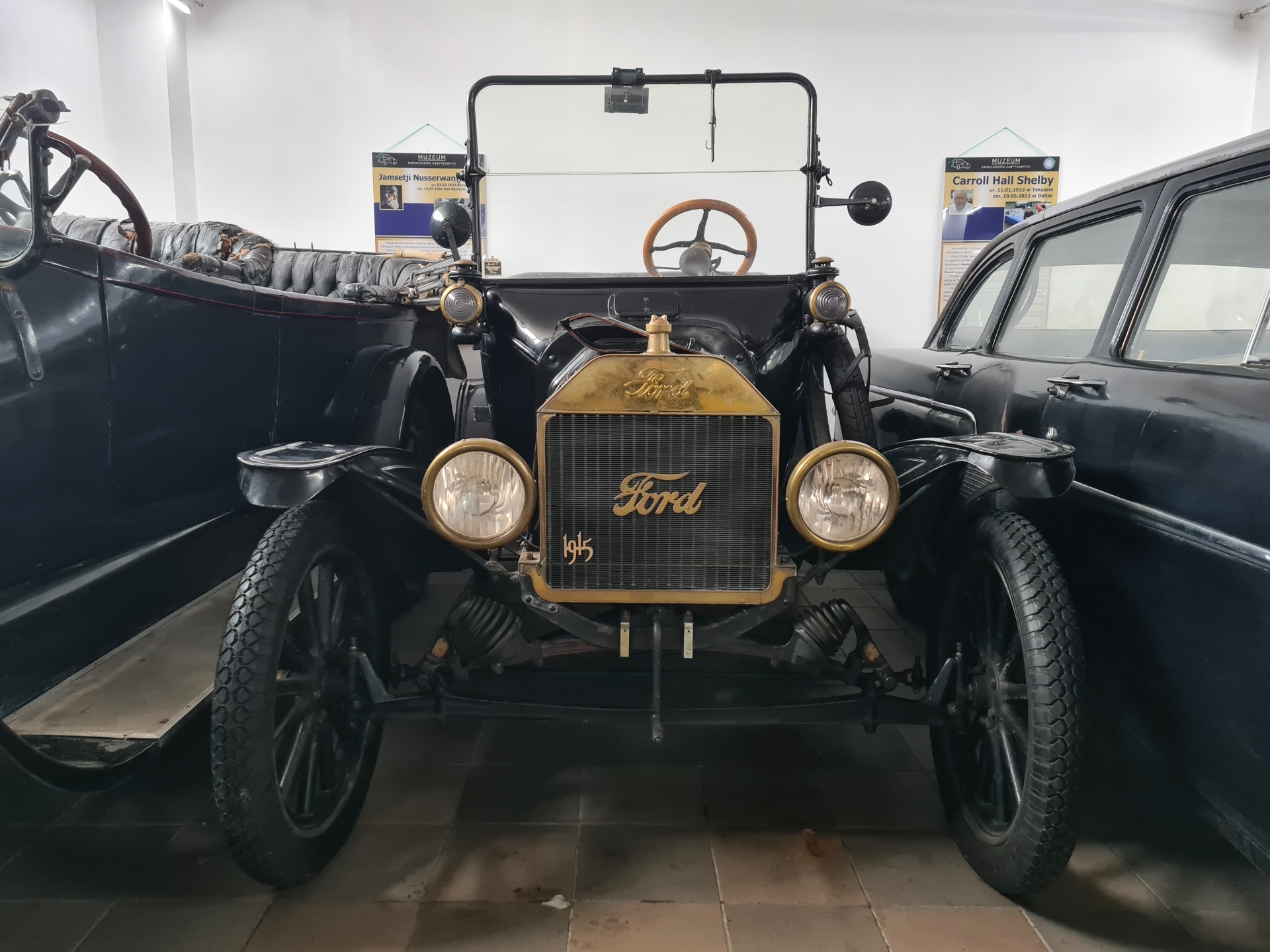
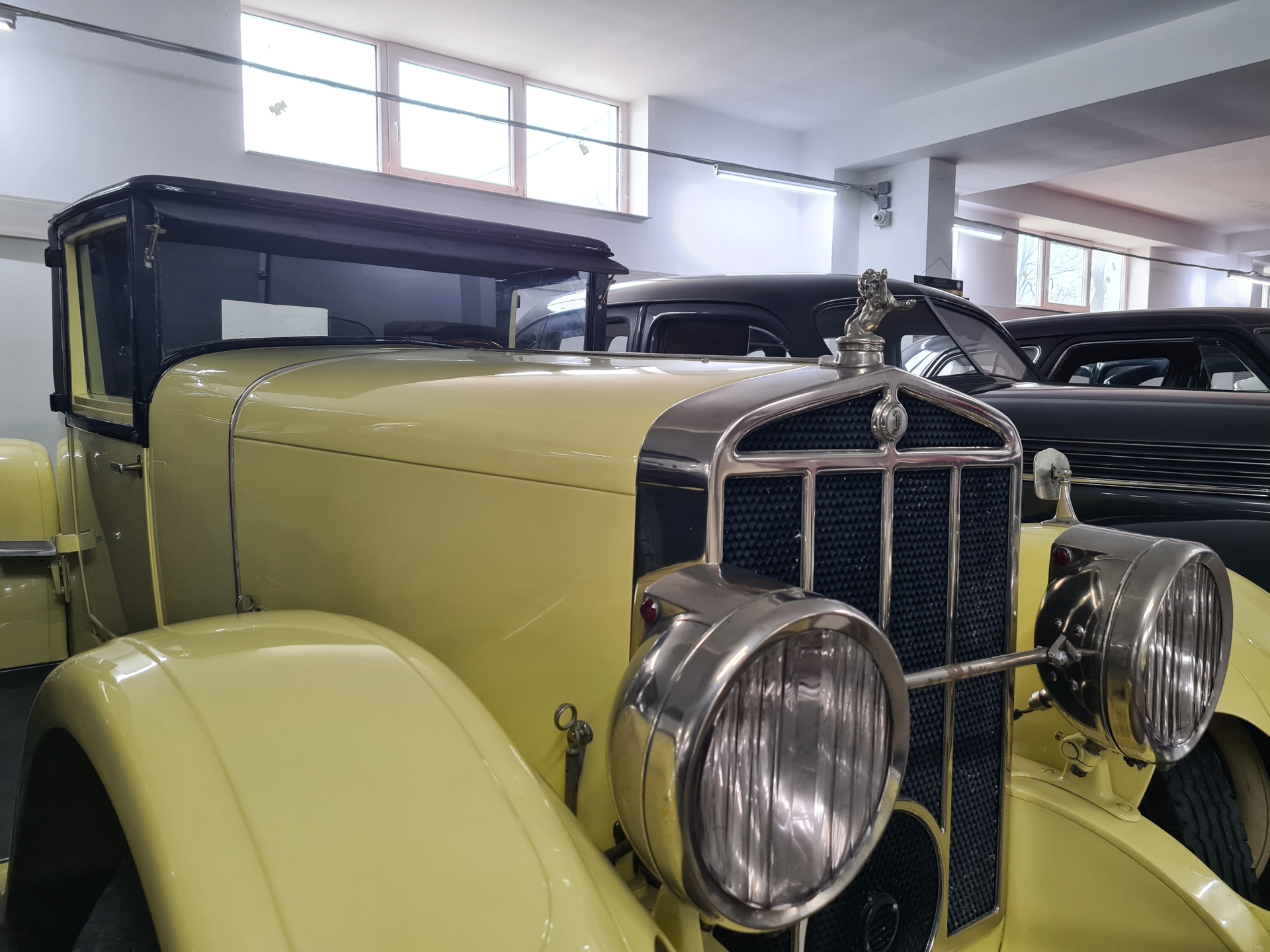
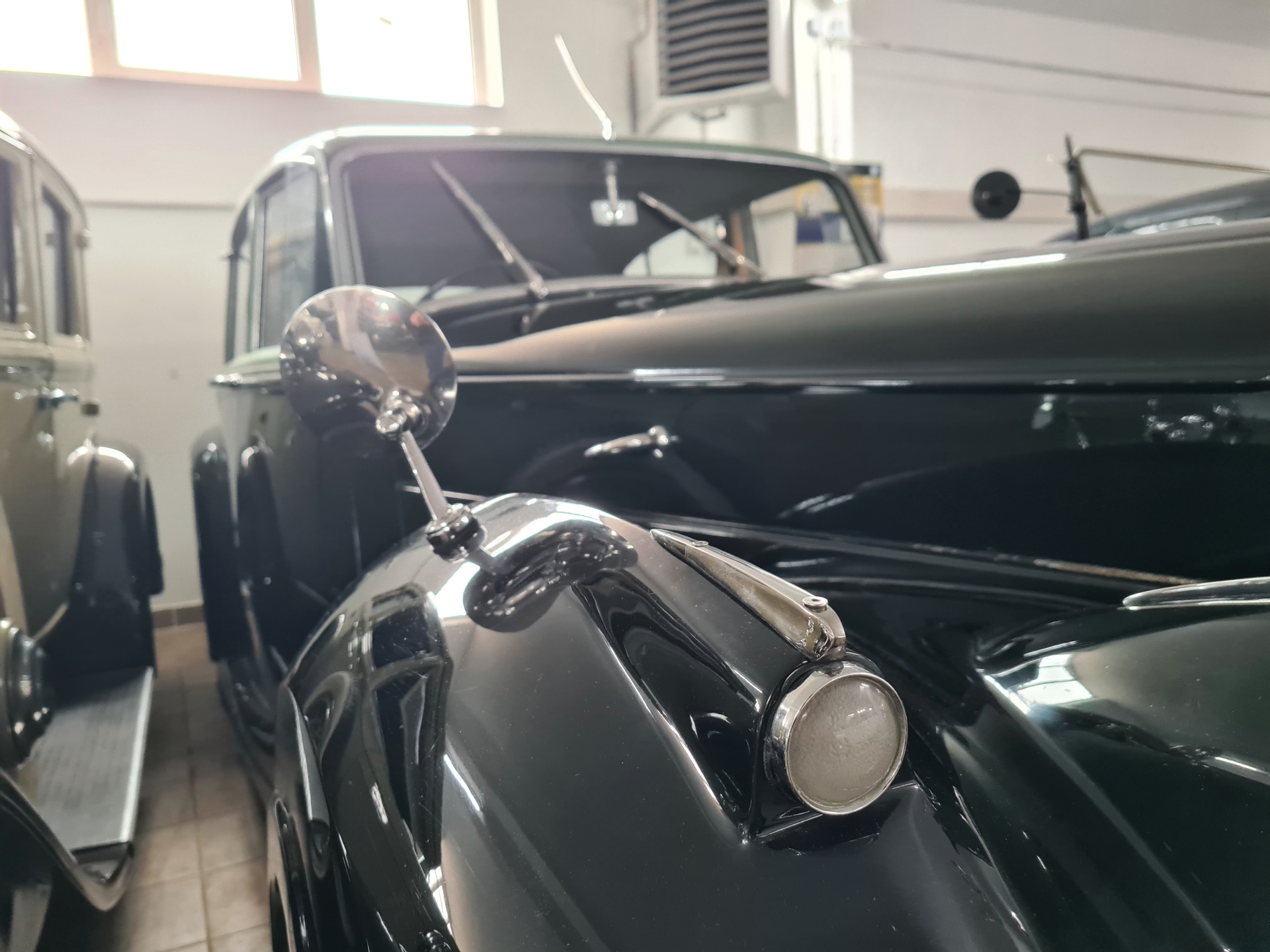
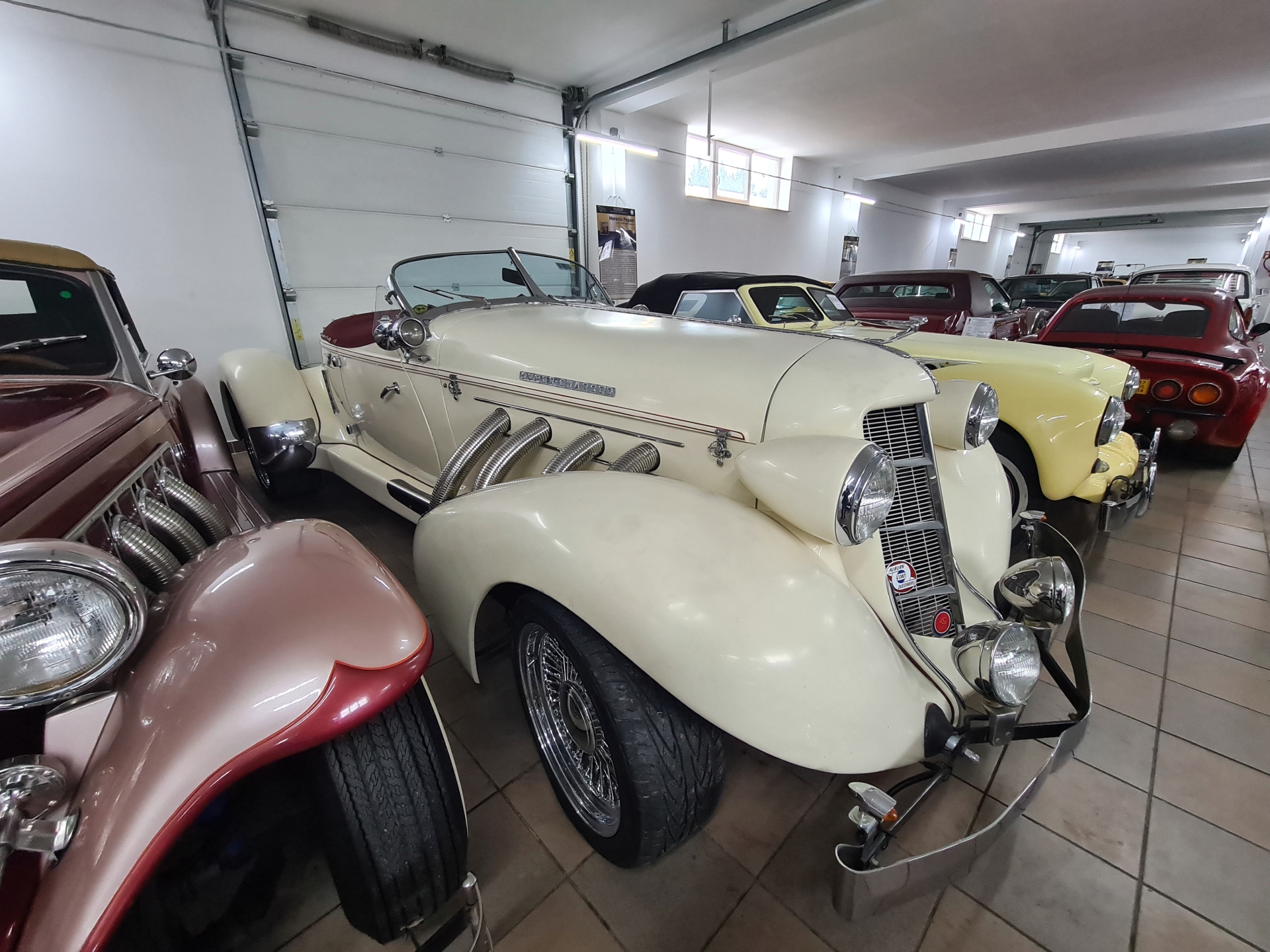
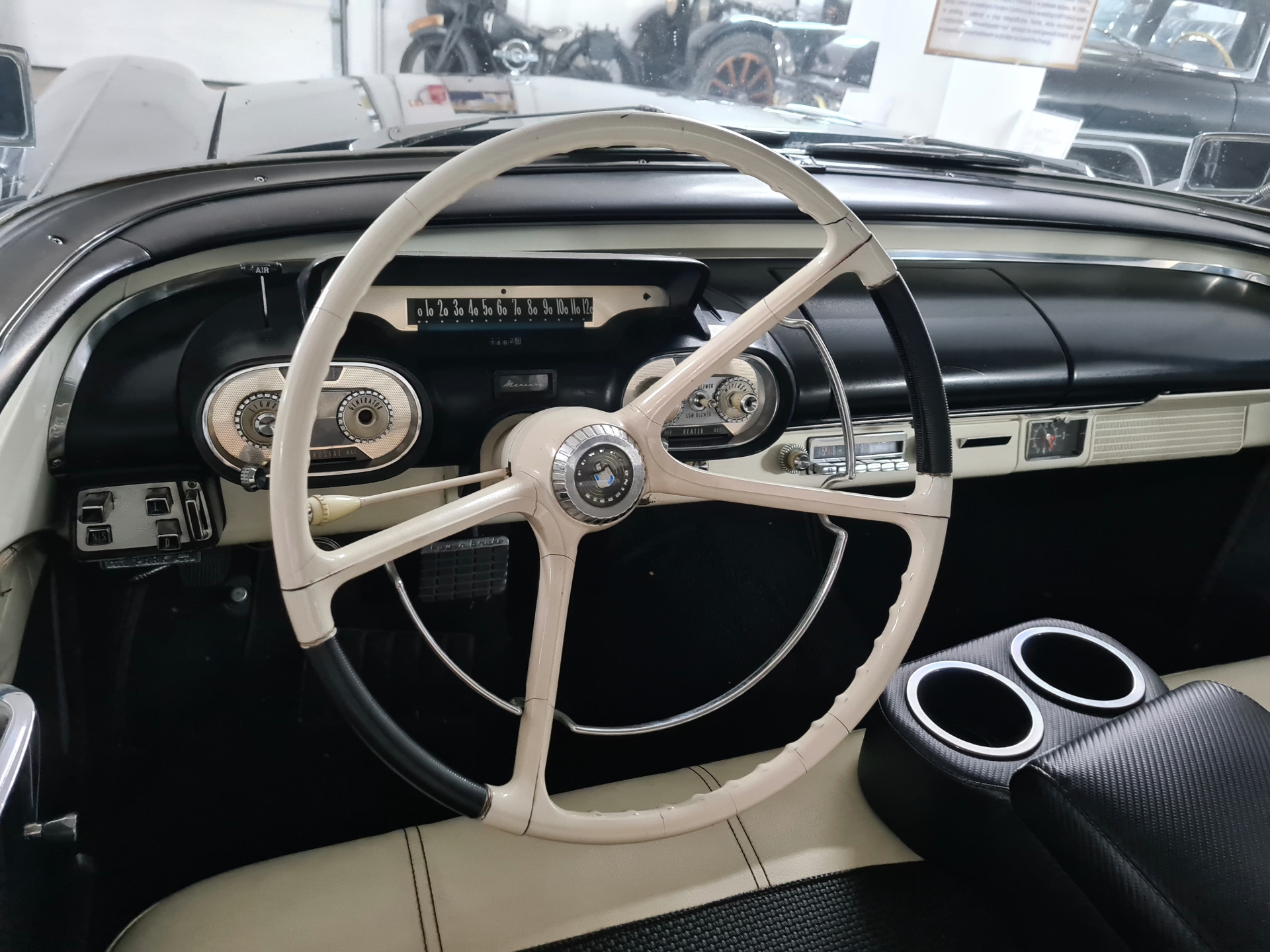
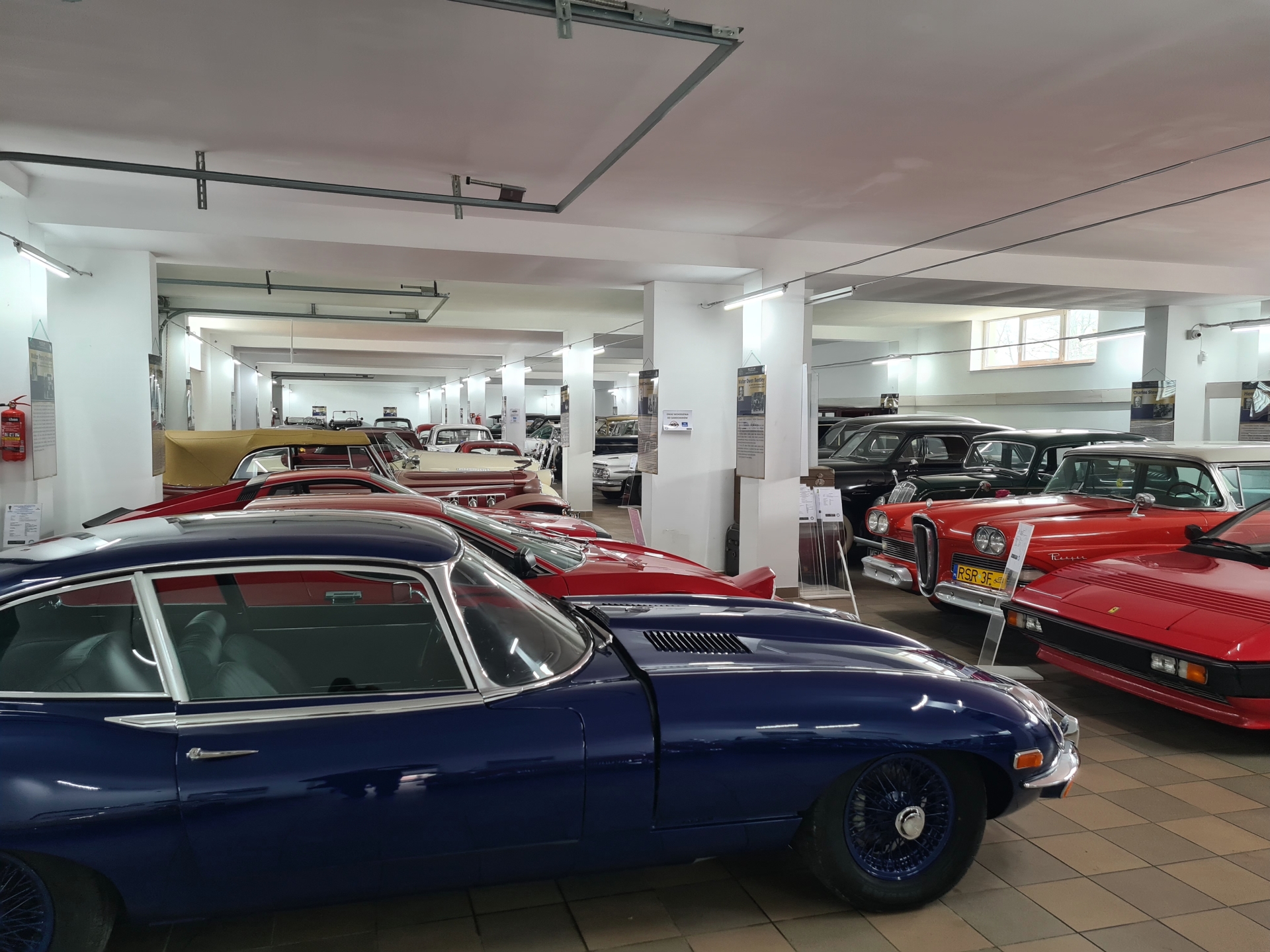
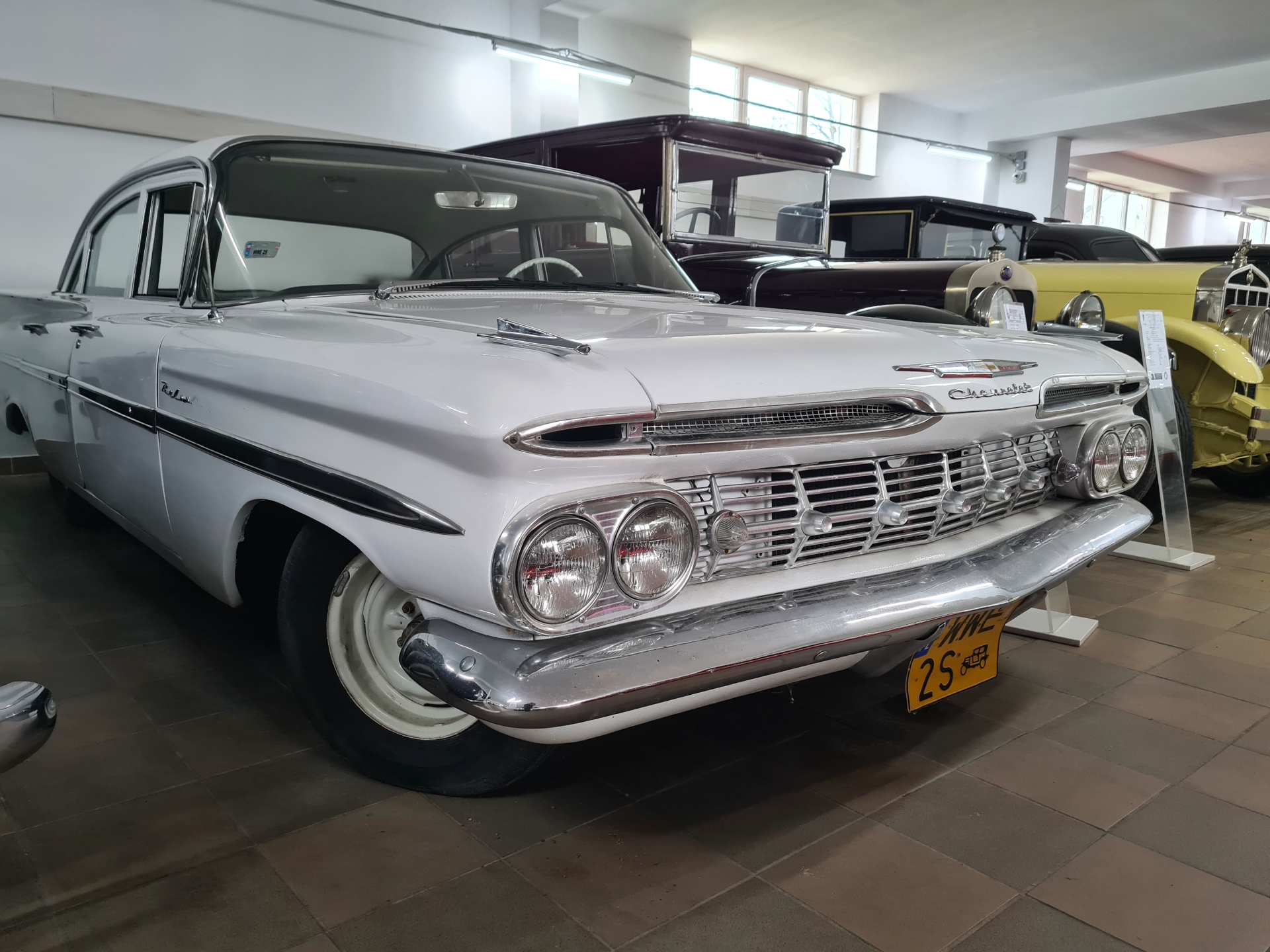
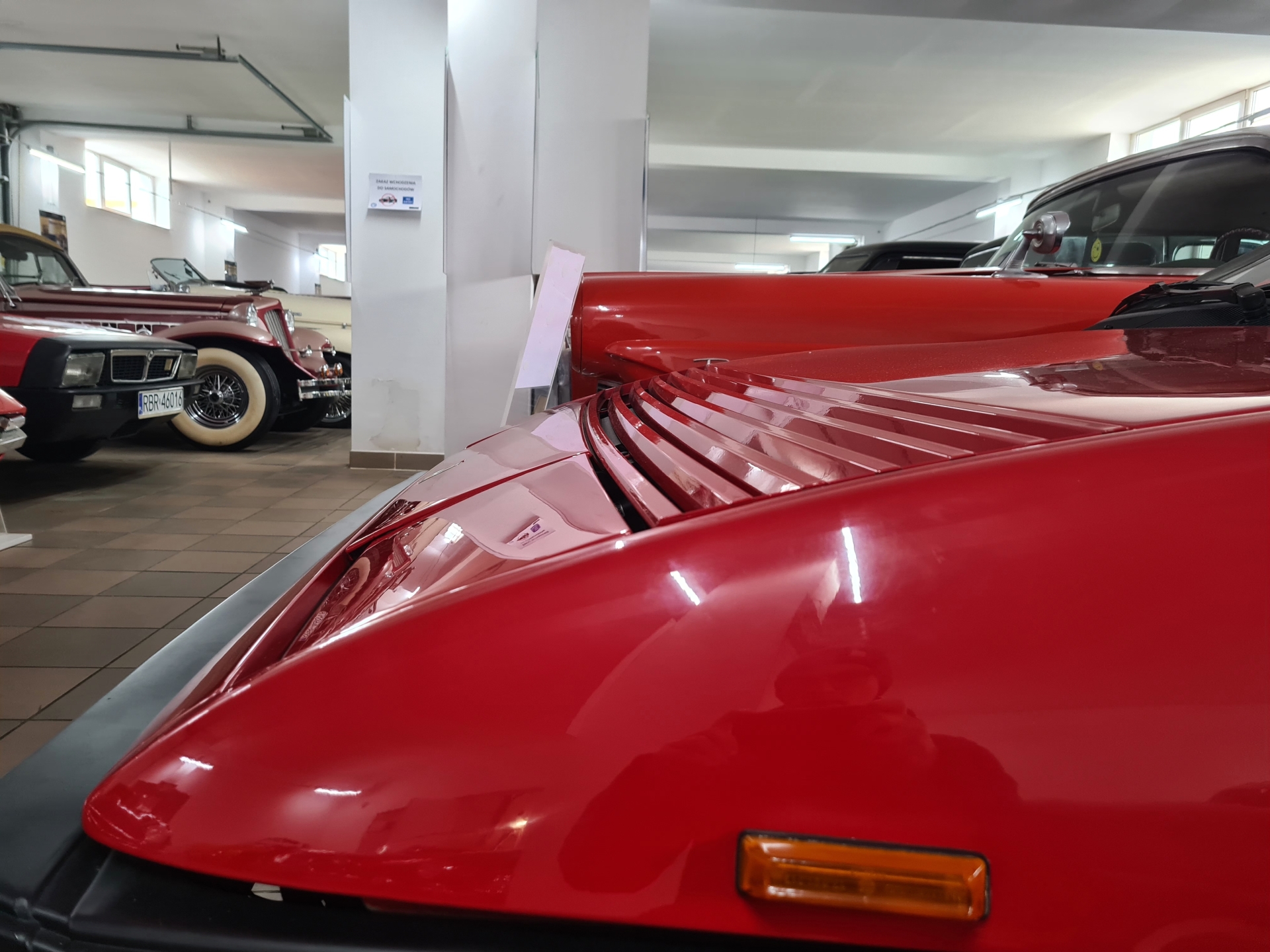
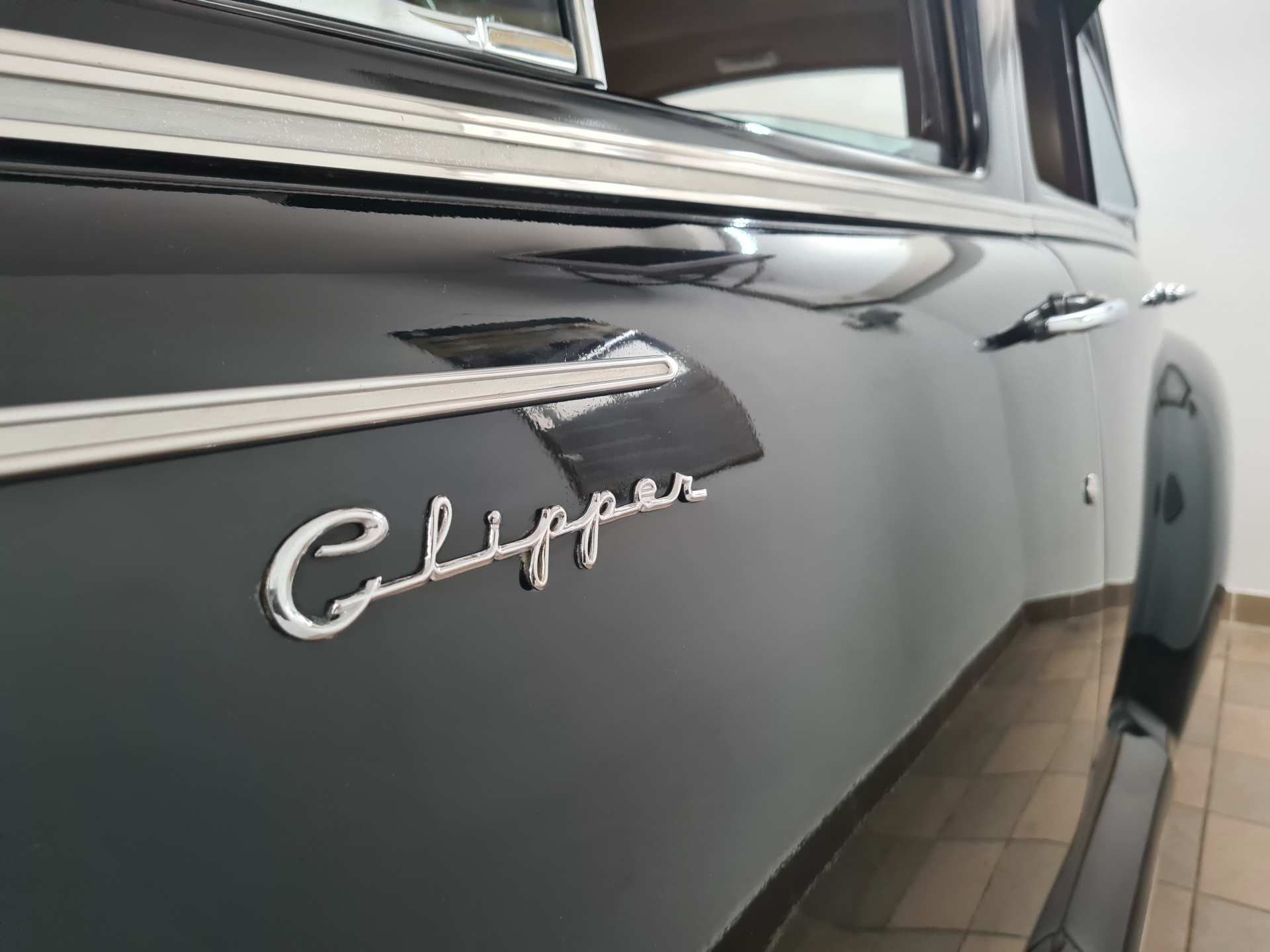
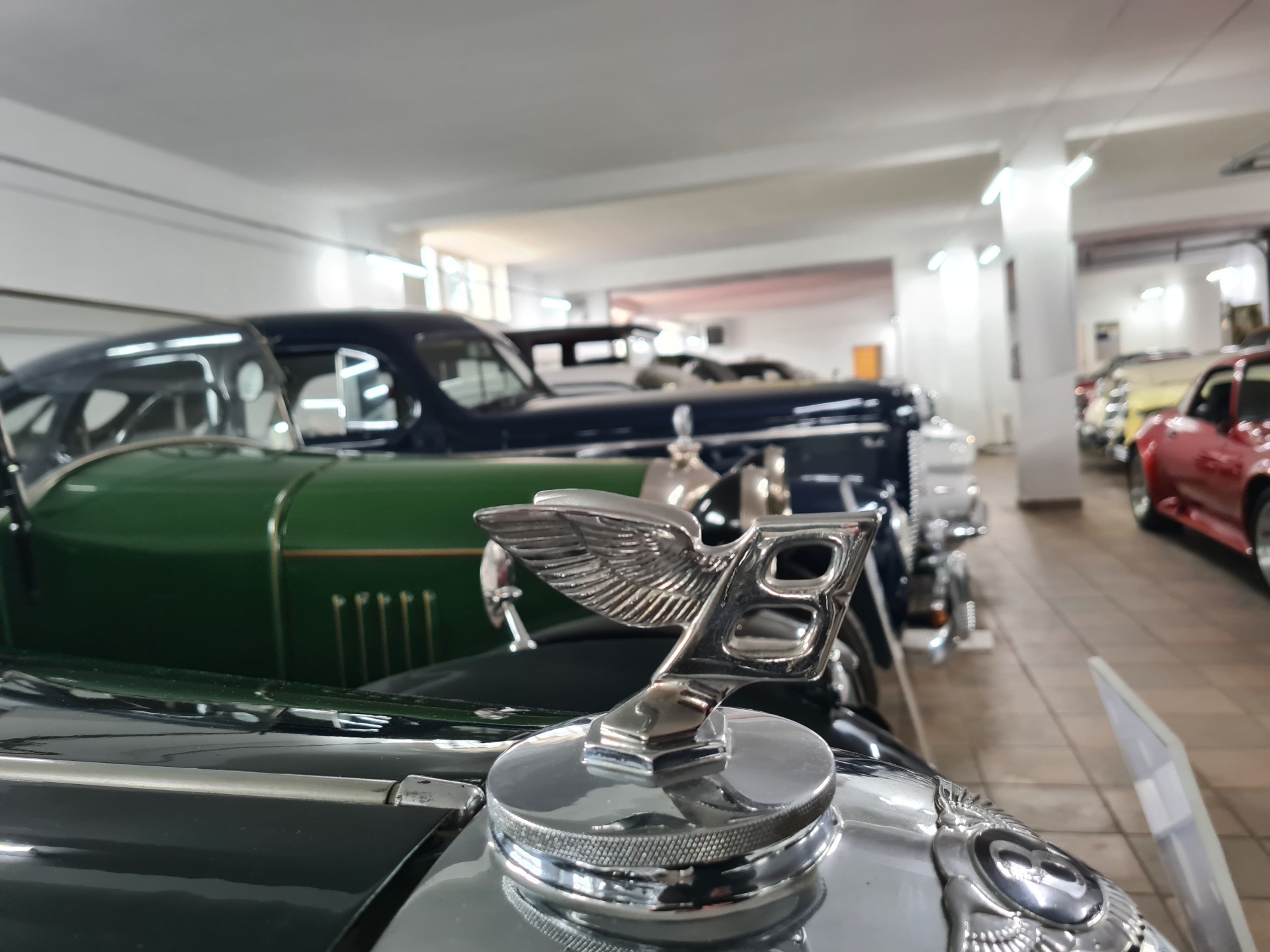
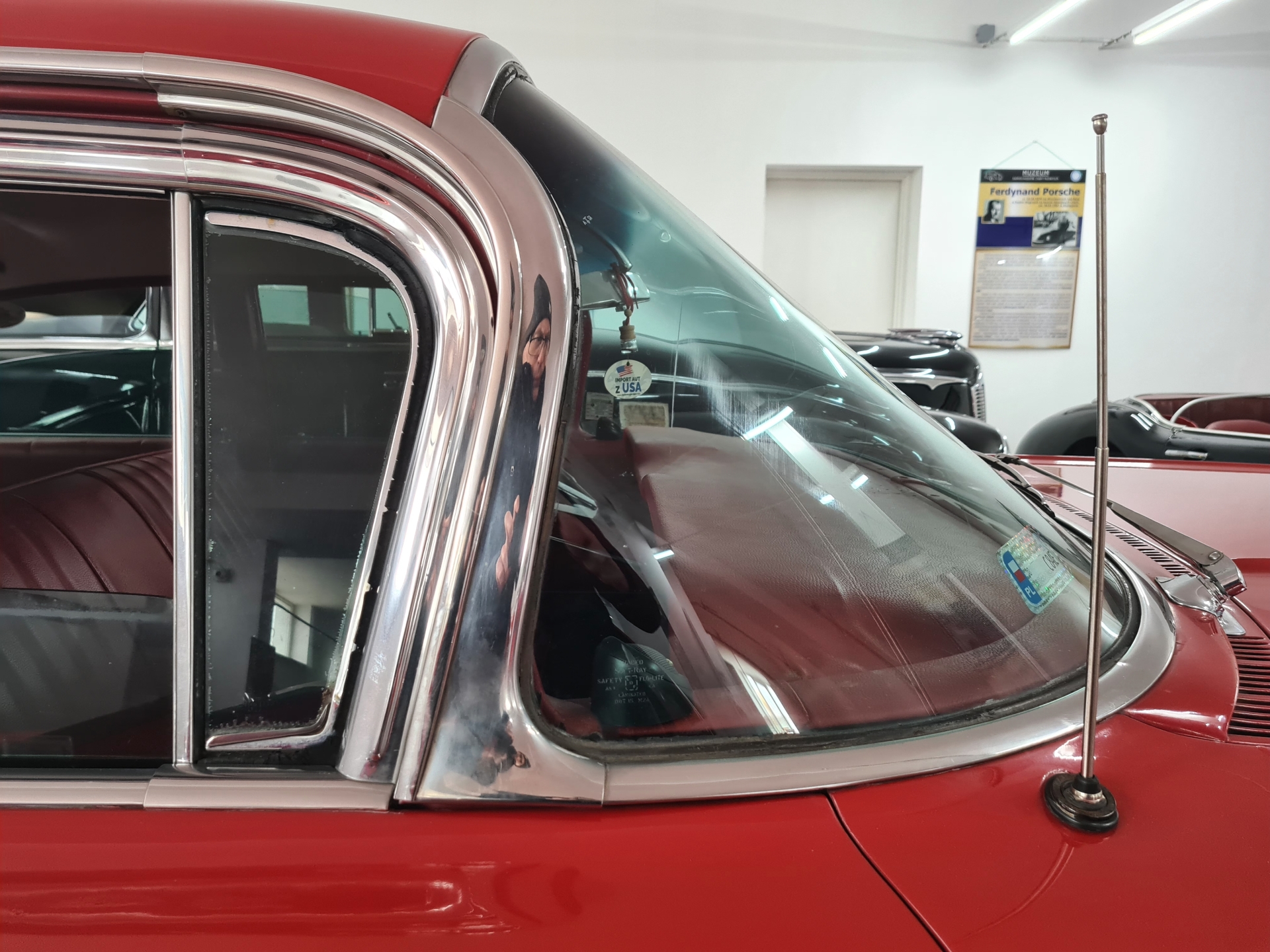
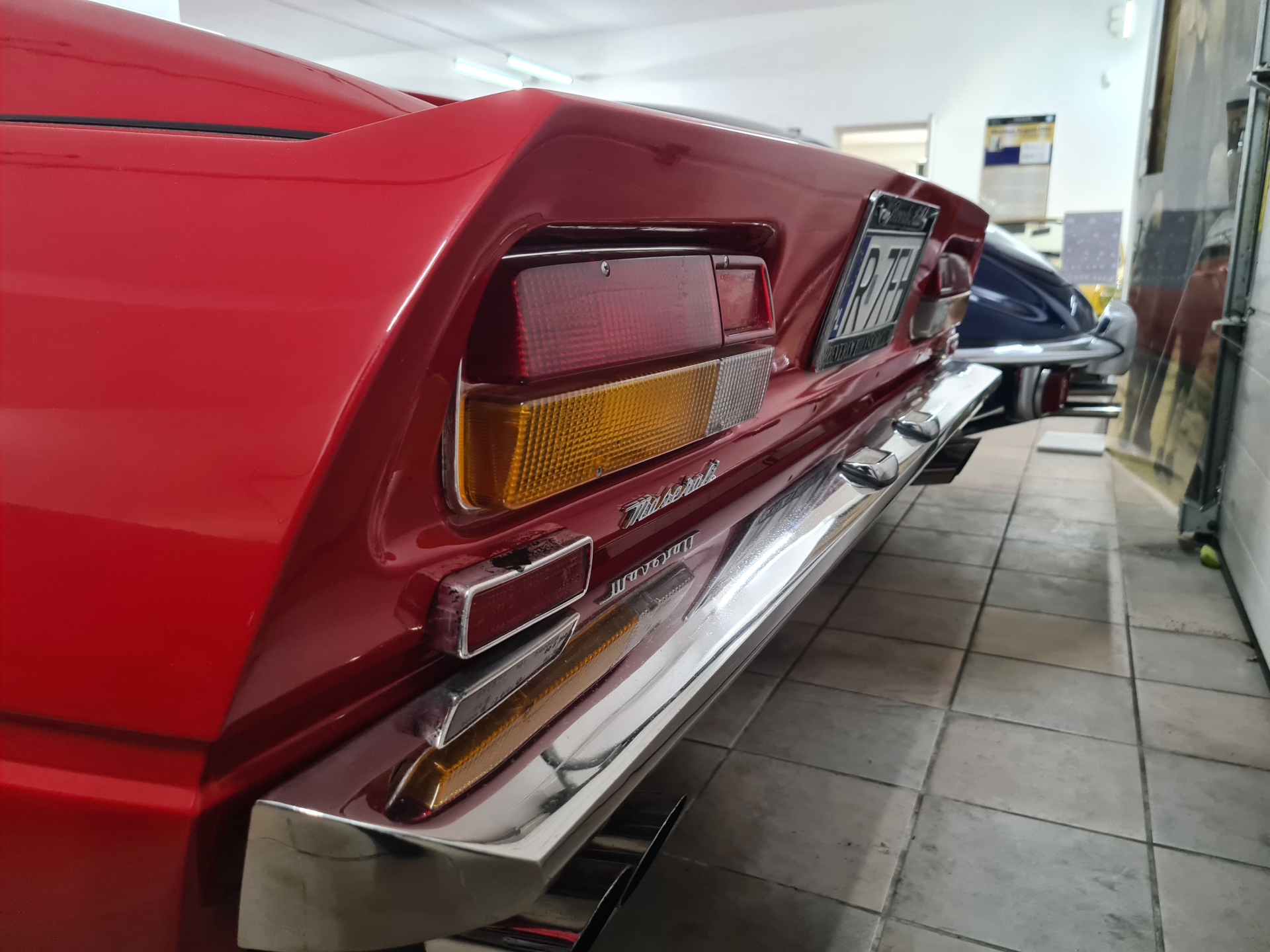
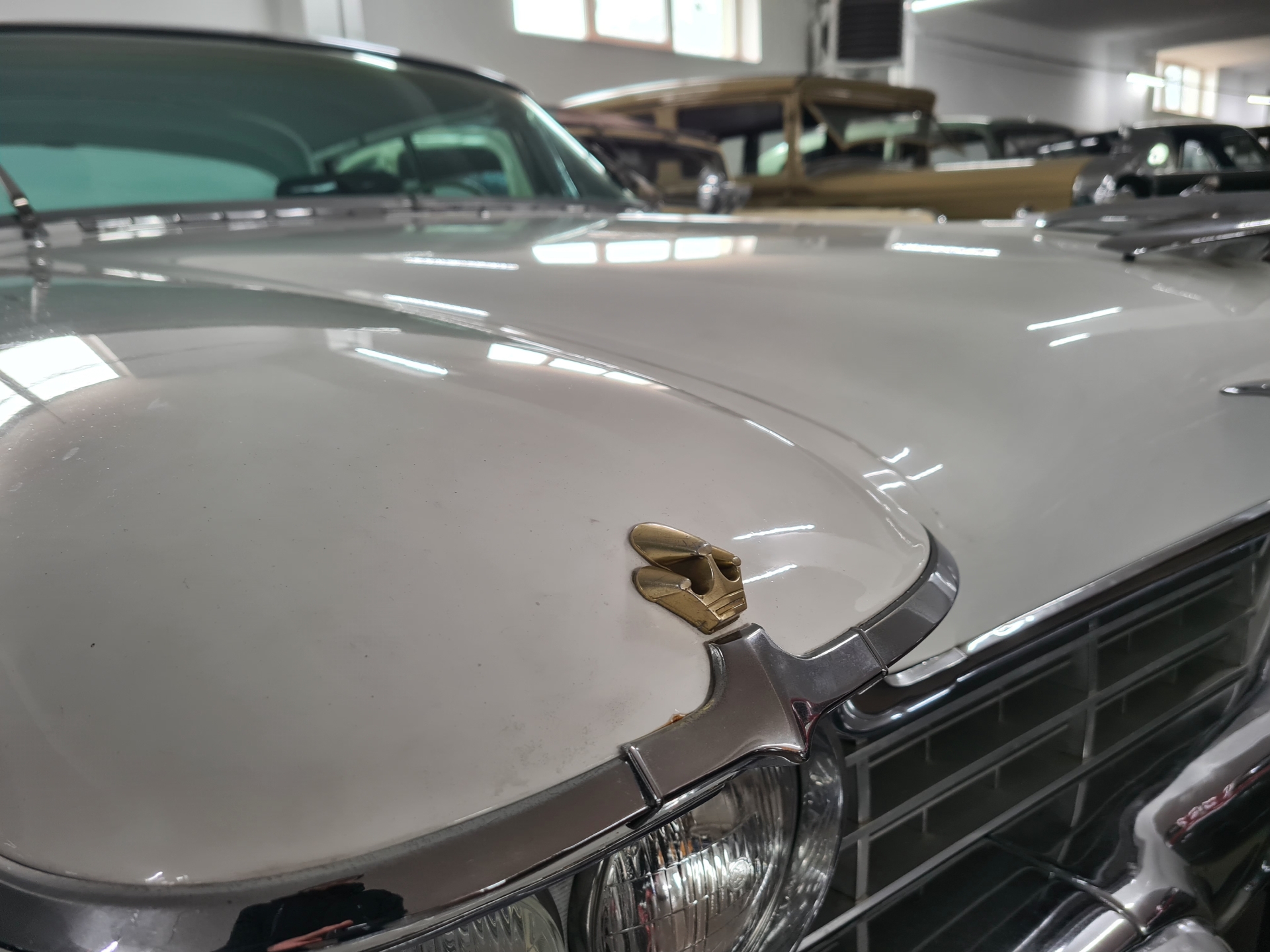
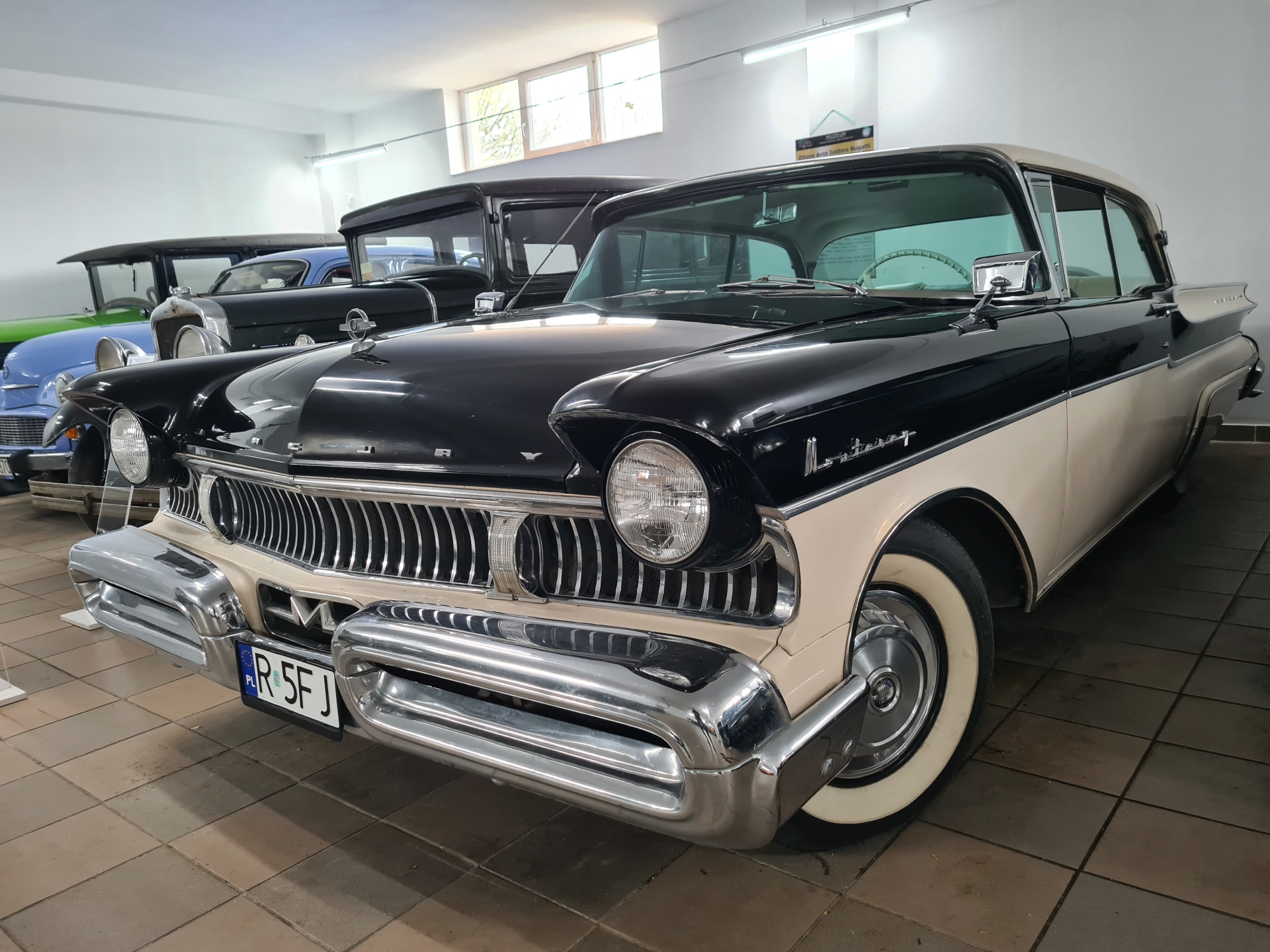
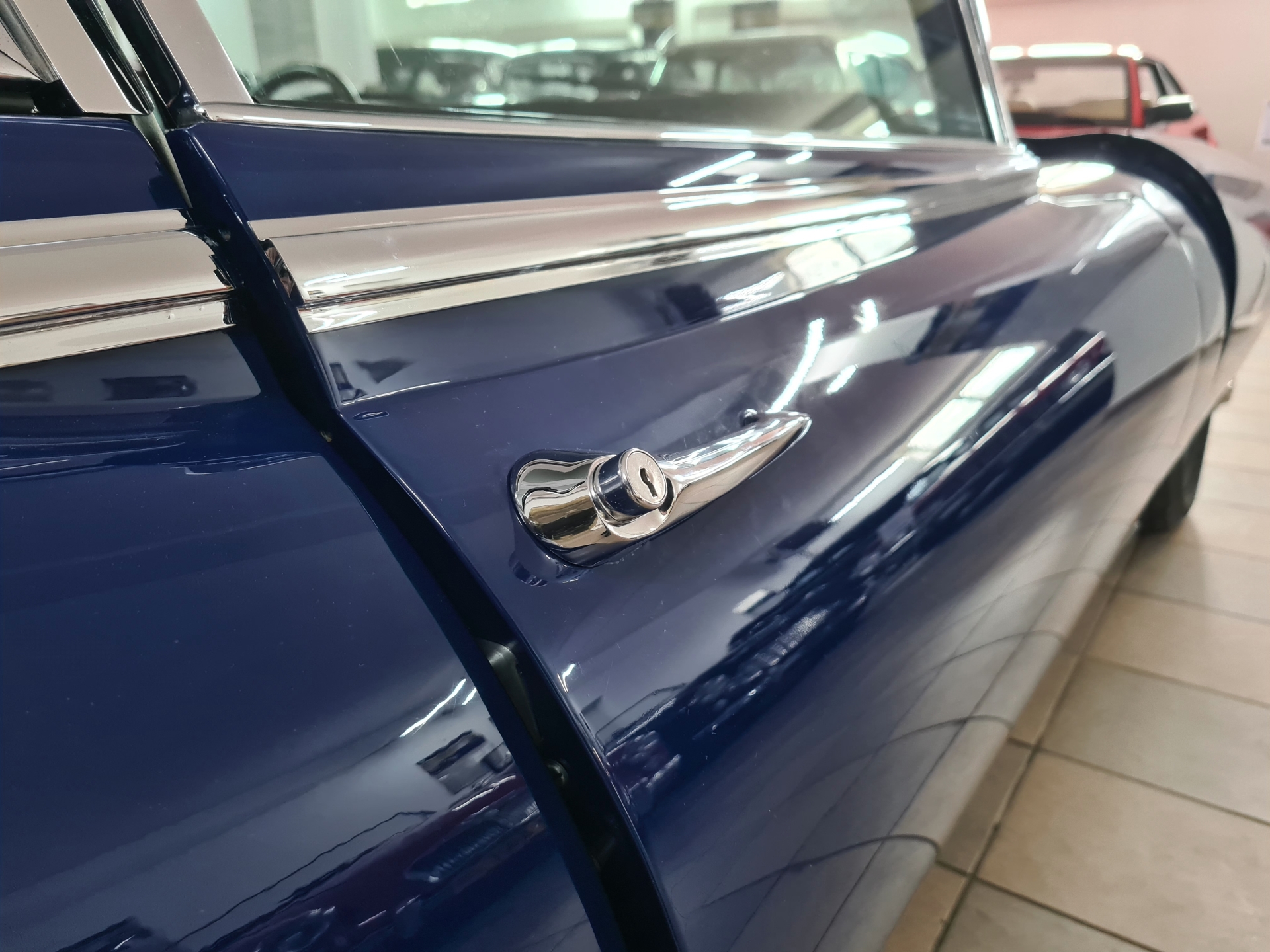
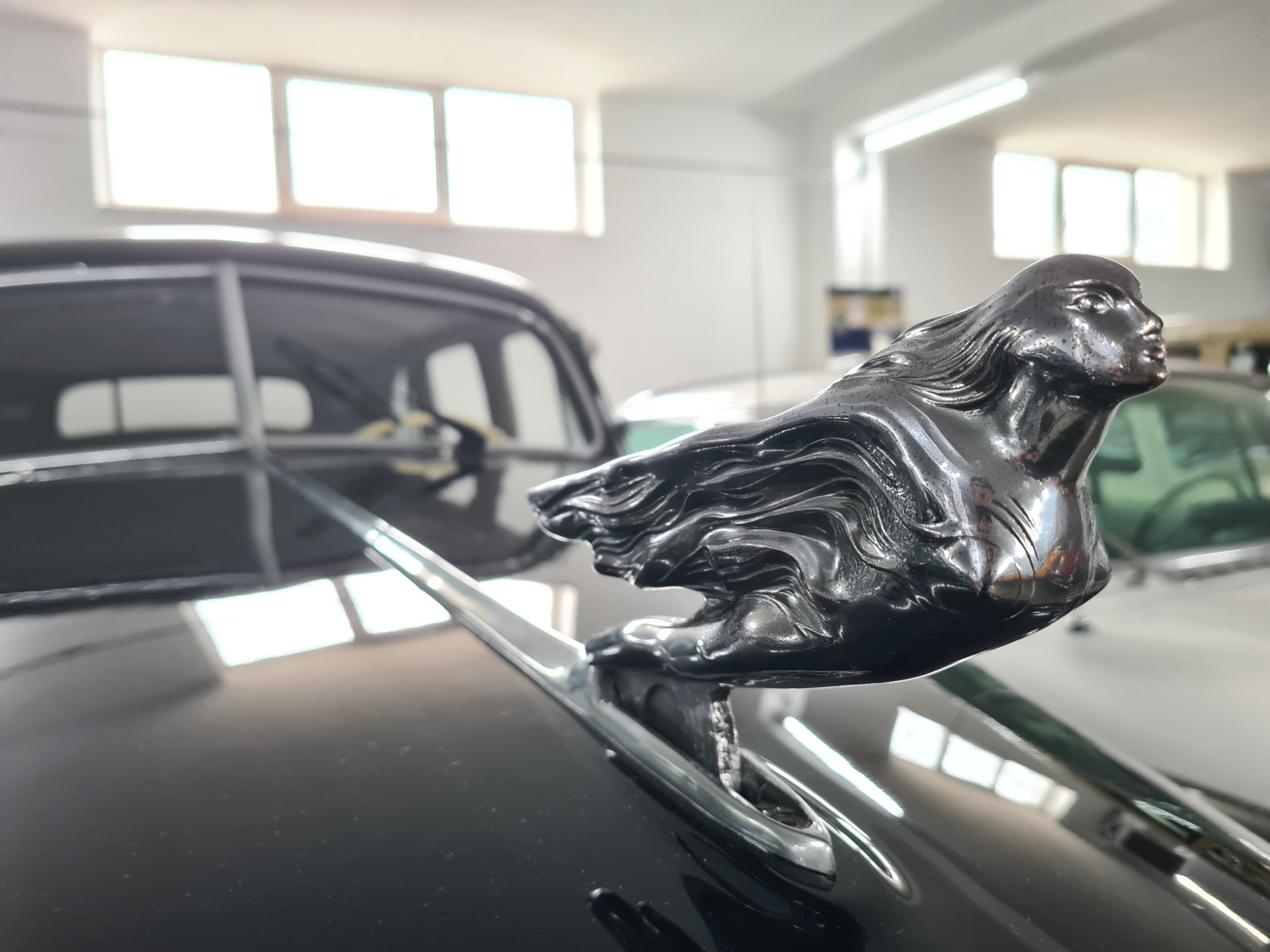
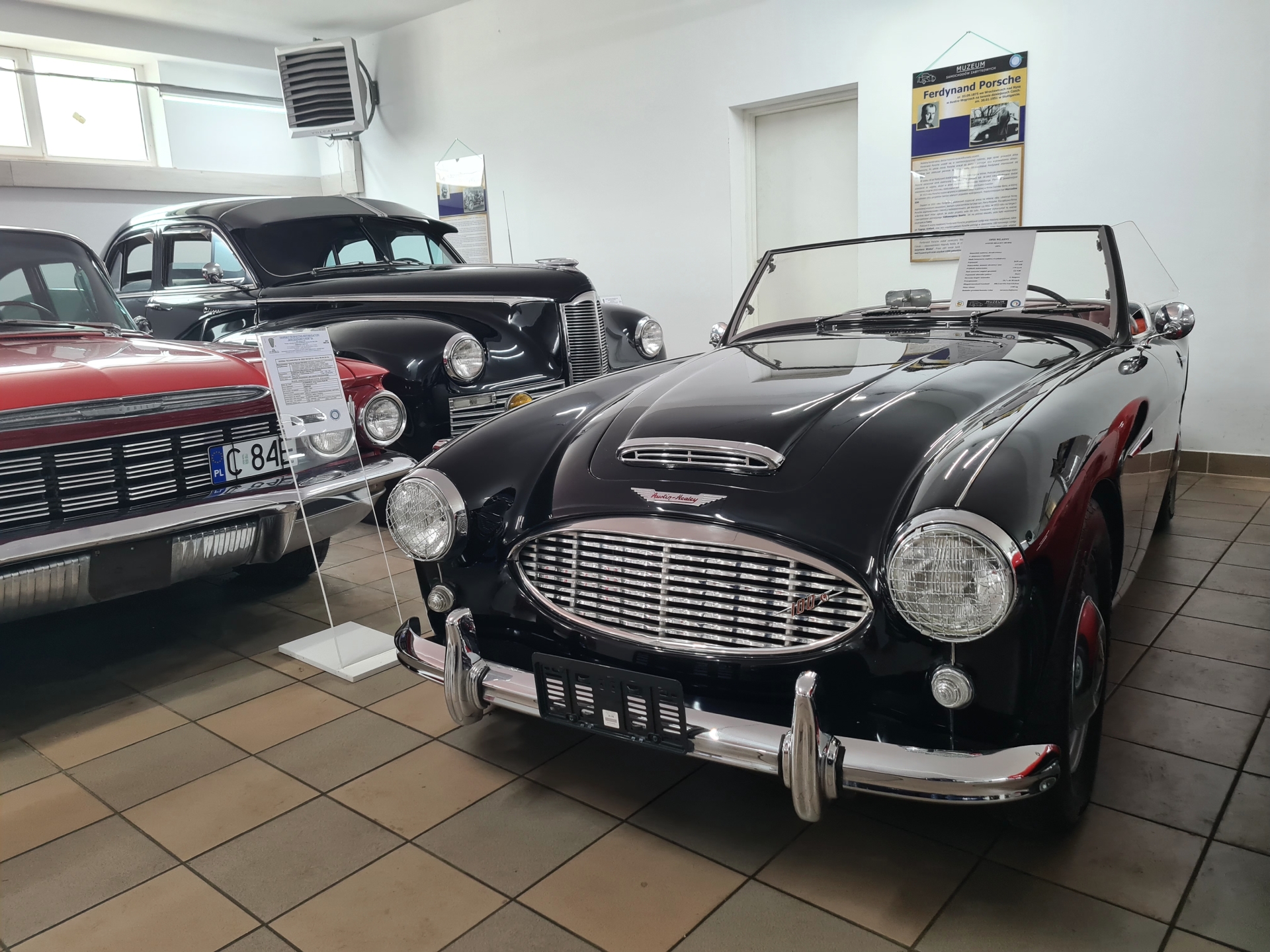
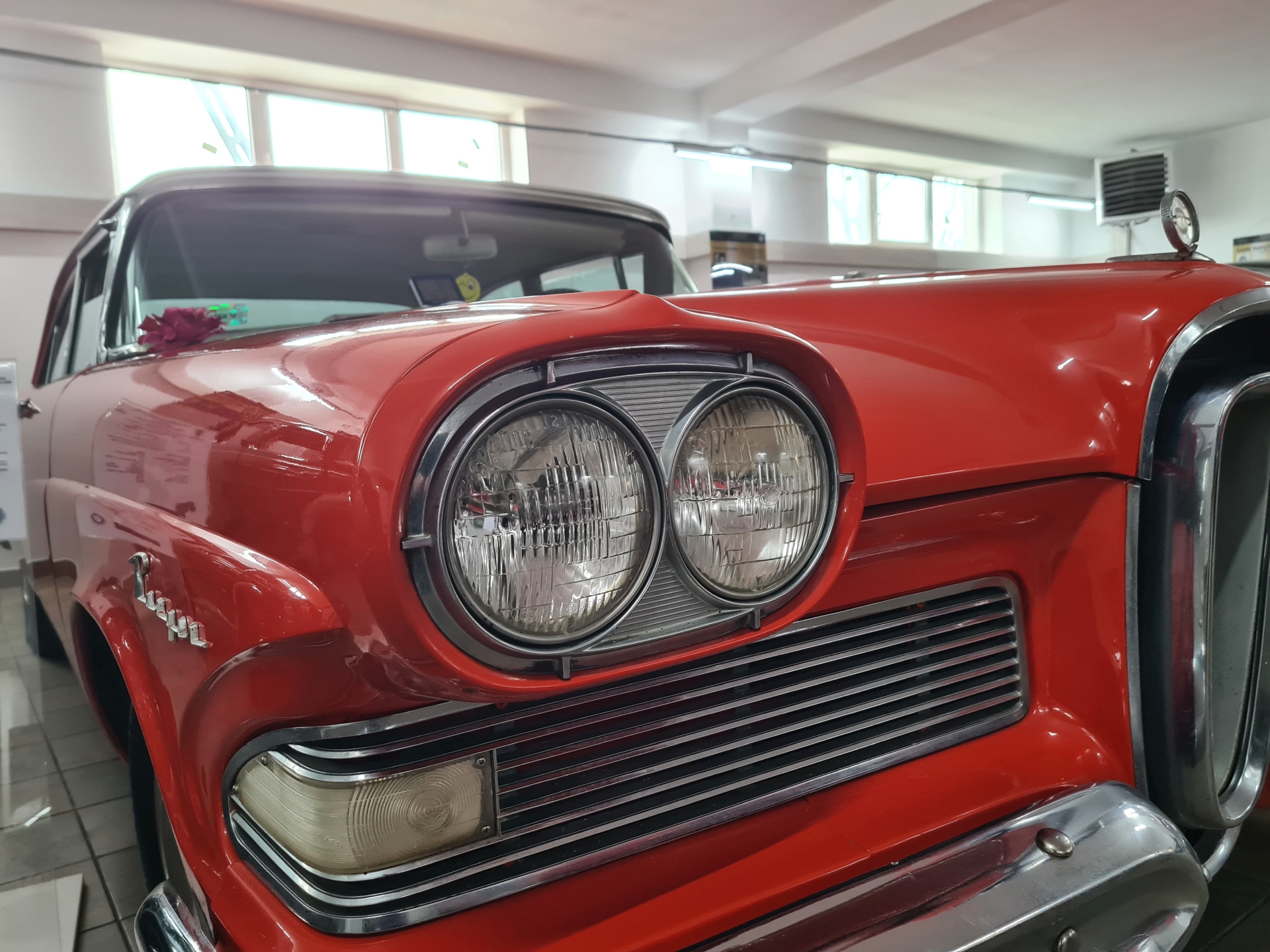
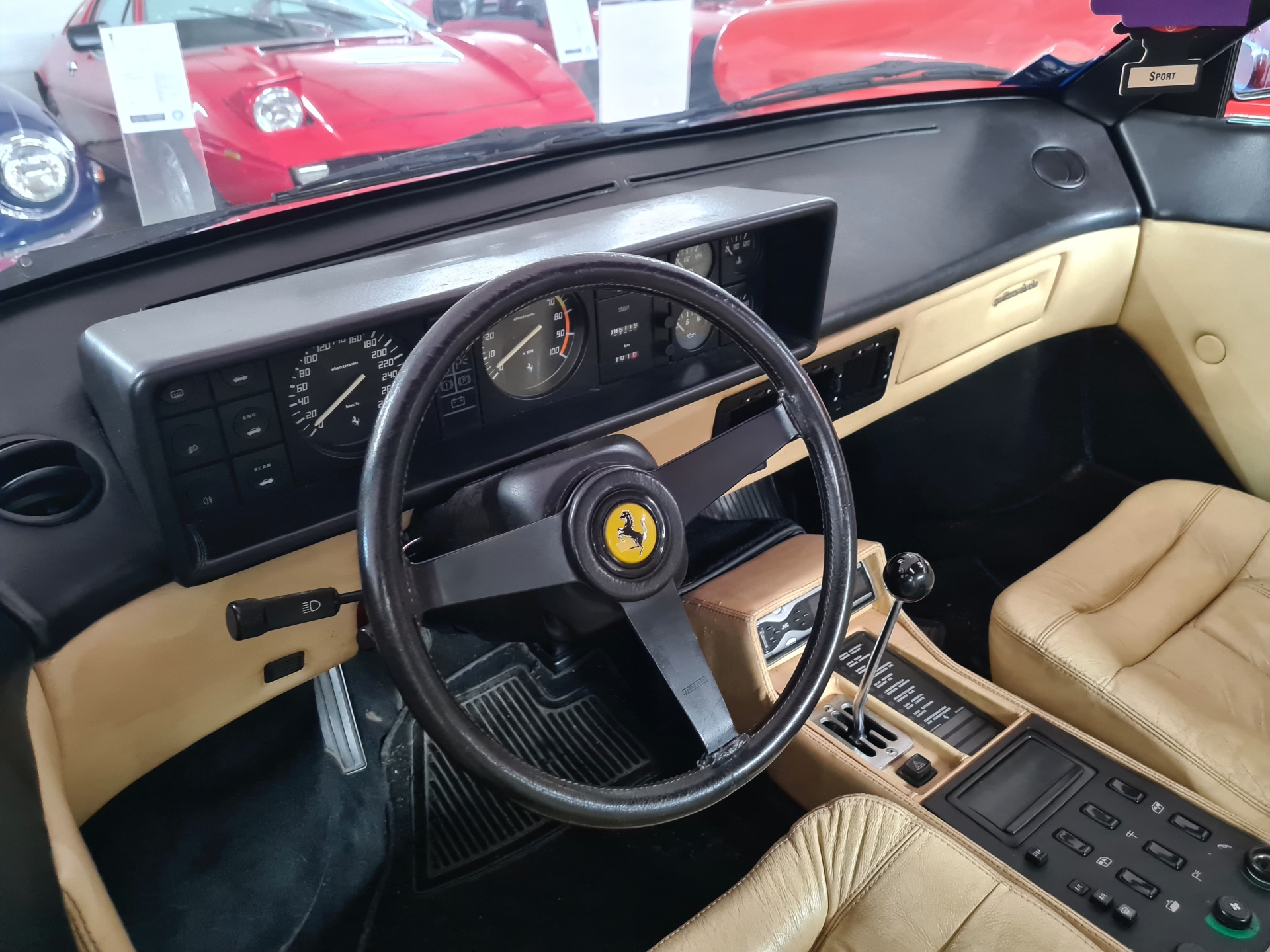
Vintage cars embody stylistic beauty and rich detail. Every chrome feature, body line and headlight shape said much about its era and its creator's vision. This quality and uncompromising execution inspire our own projects. At the museum, we could closely examine the craftsmanship of designers and artisans who refused compromise and created timeless vehicles.
Cars that impressed us
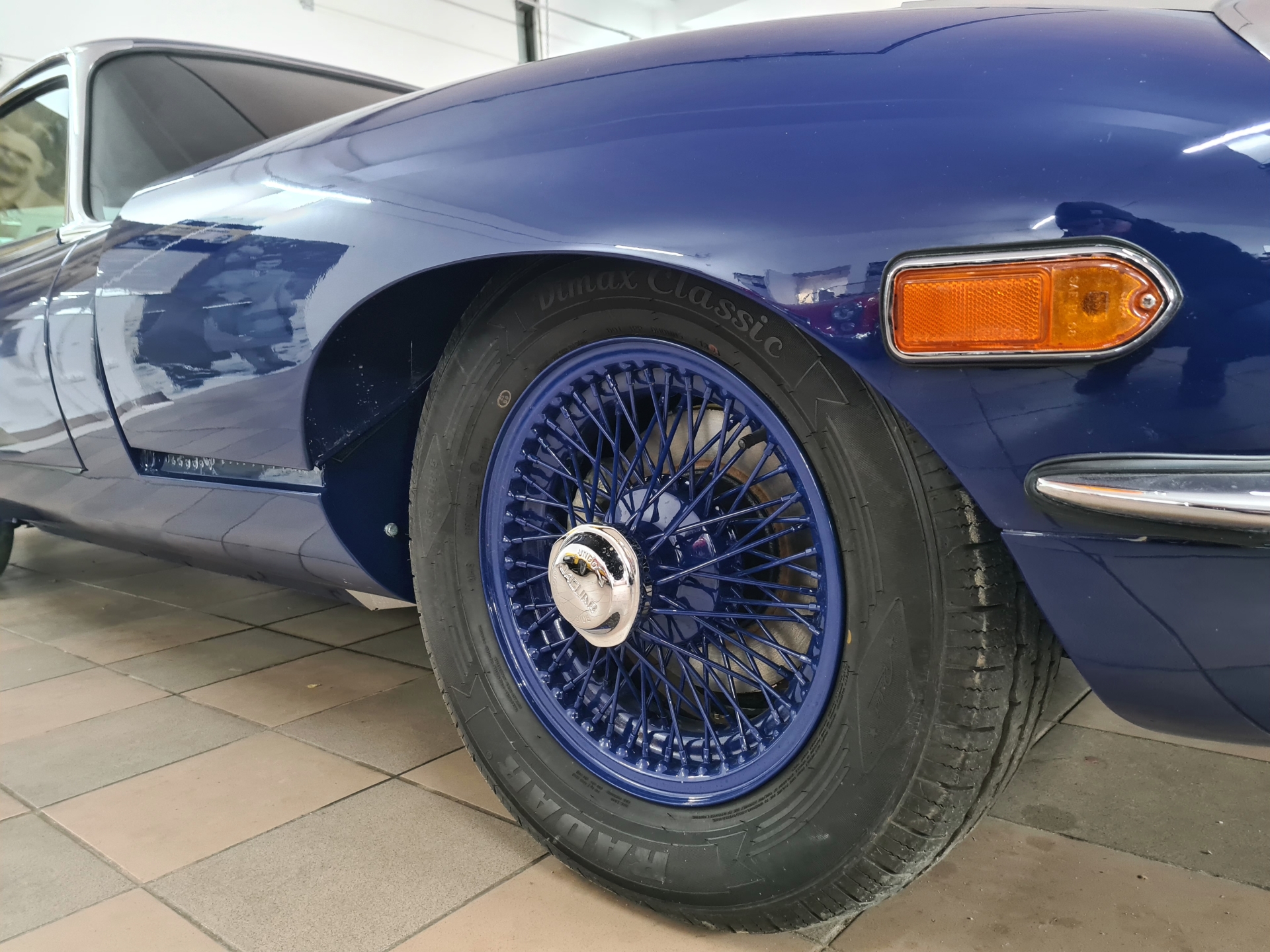
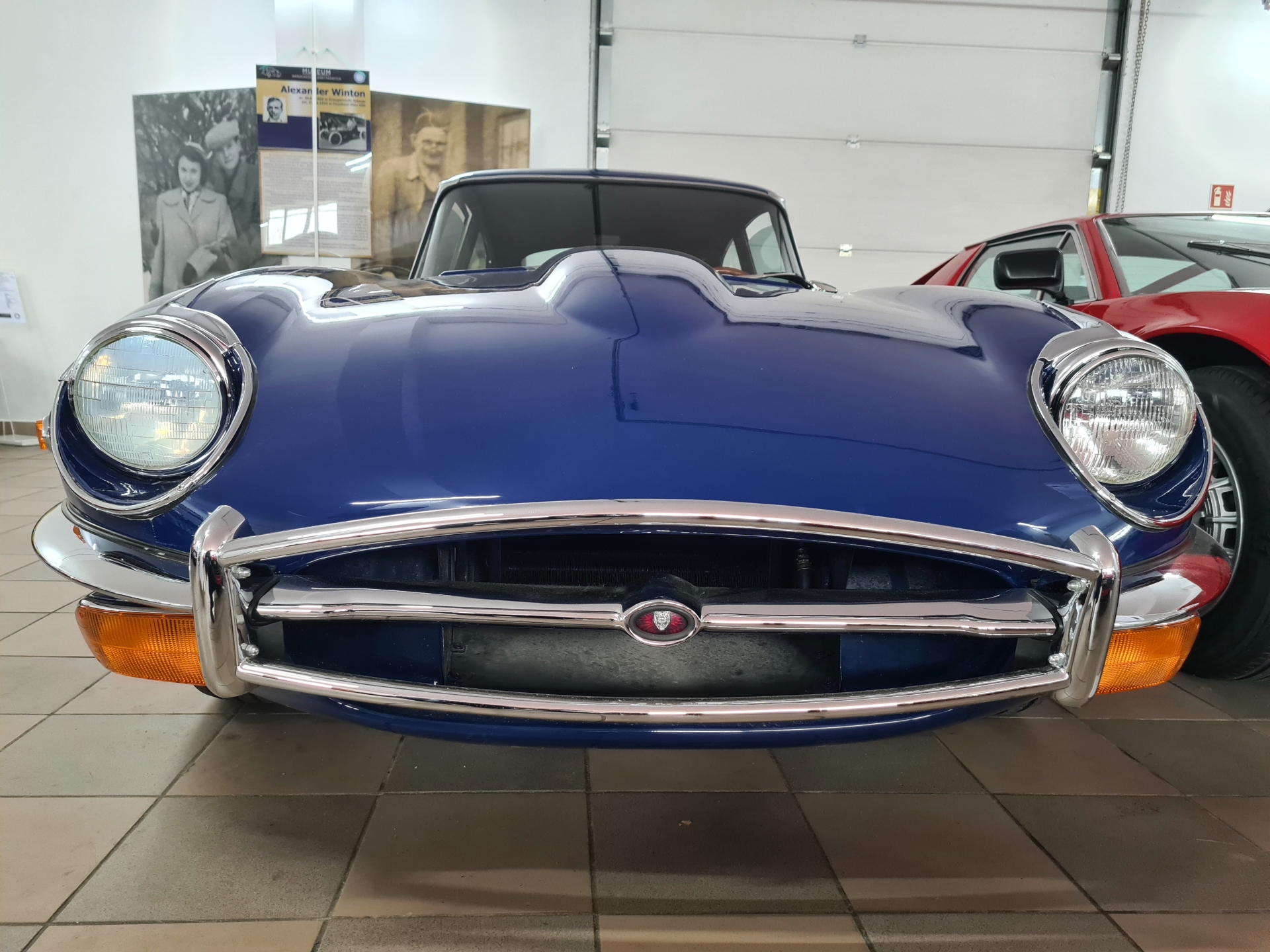
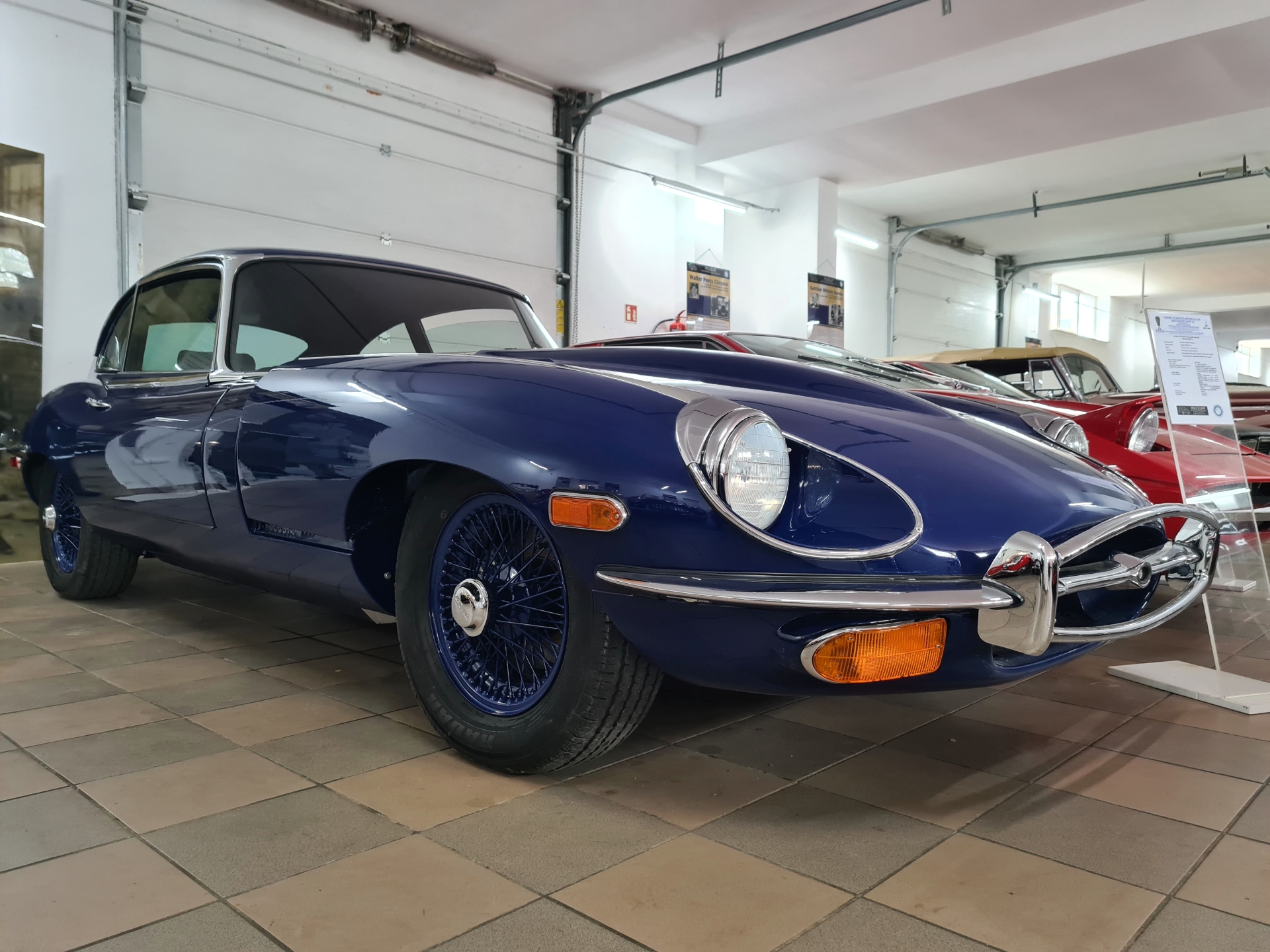
Our attention was drawn to the1969 Jaguar E-Type 2+2 , a true icon of British motoring. Its slender, aerodynamic lines, long bonnet and elegant 2+2 cabin make it look modern even today. It combines elegance with the predatory character of a sports car.
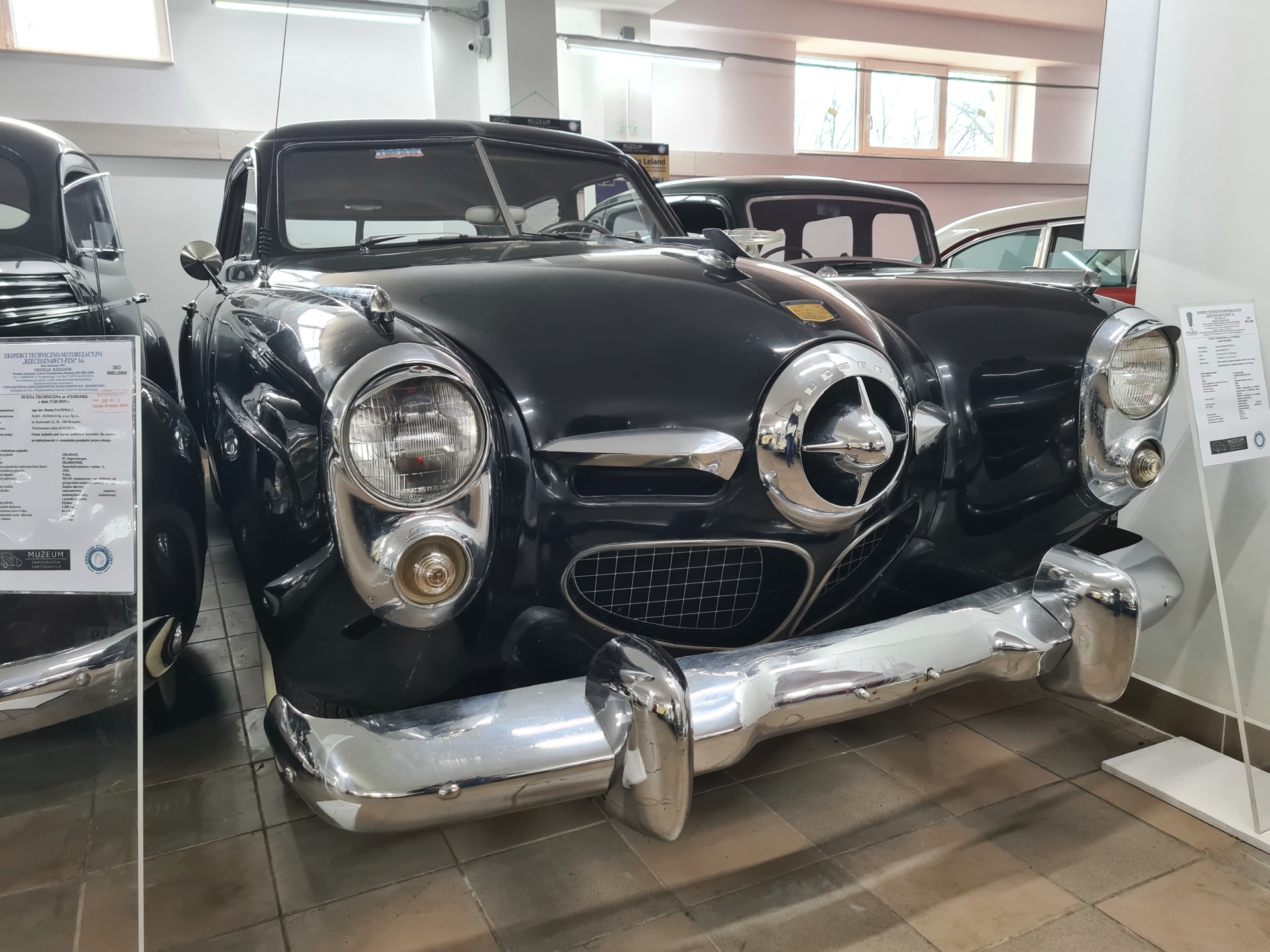
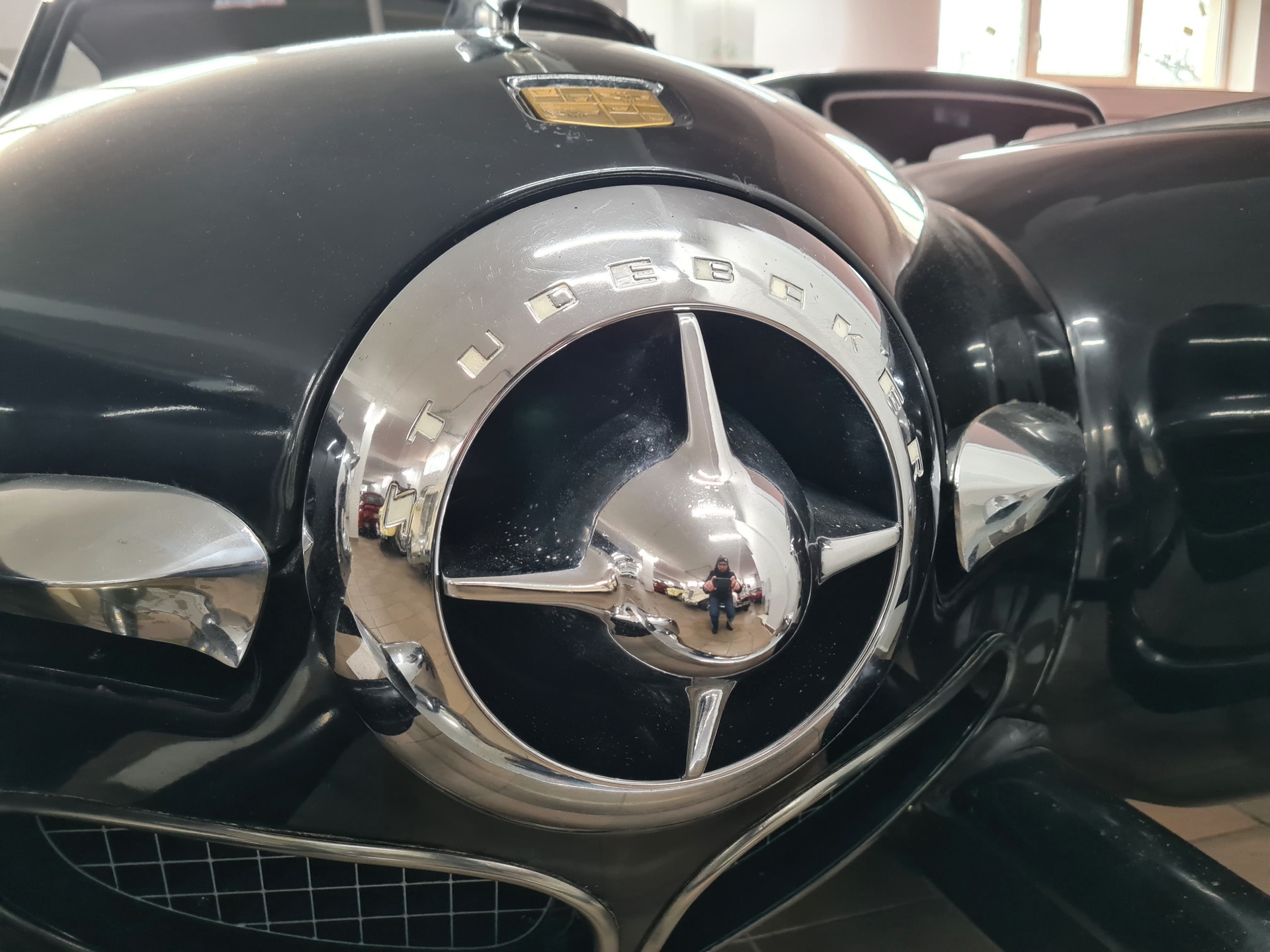
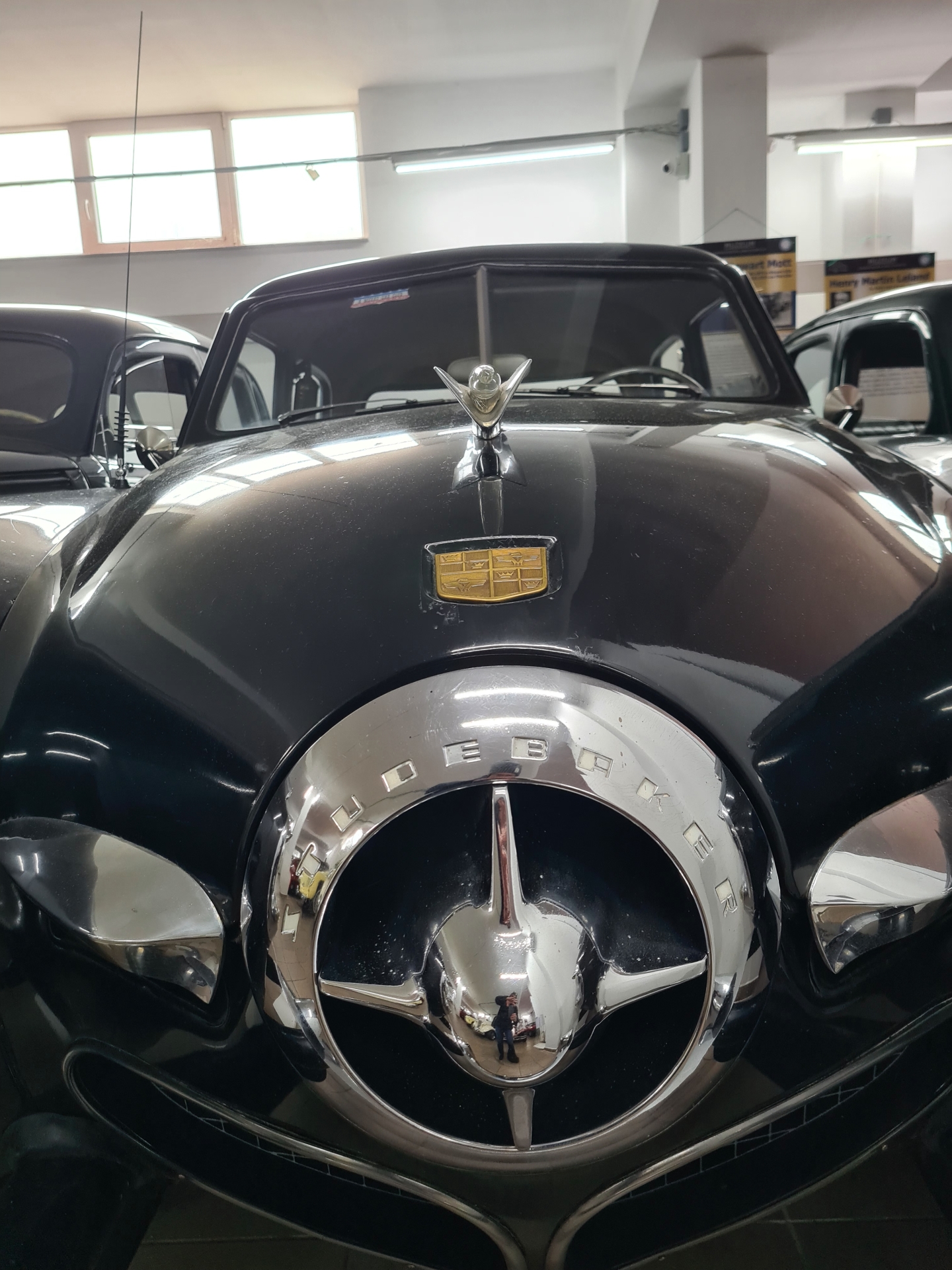
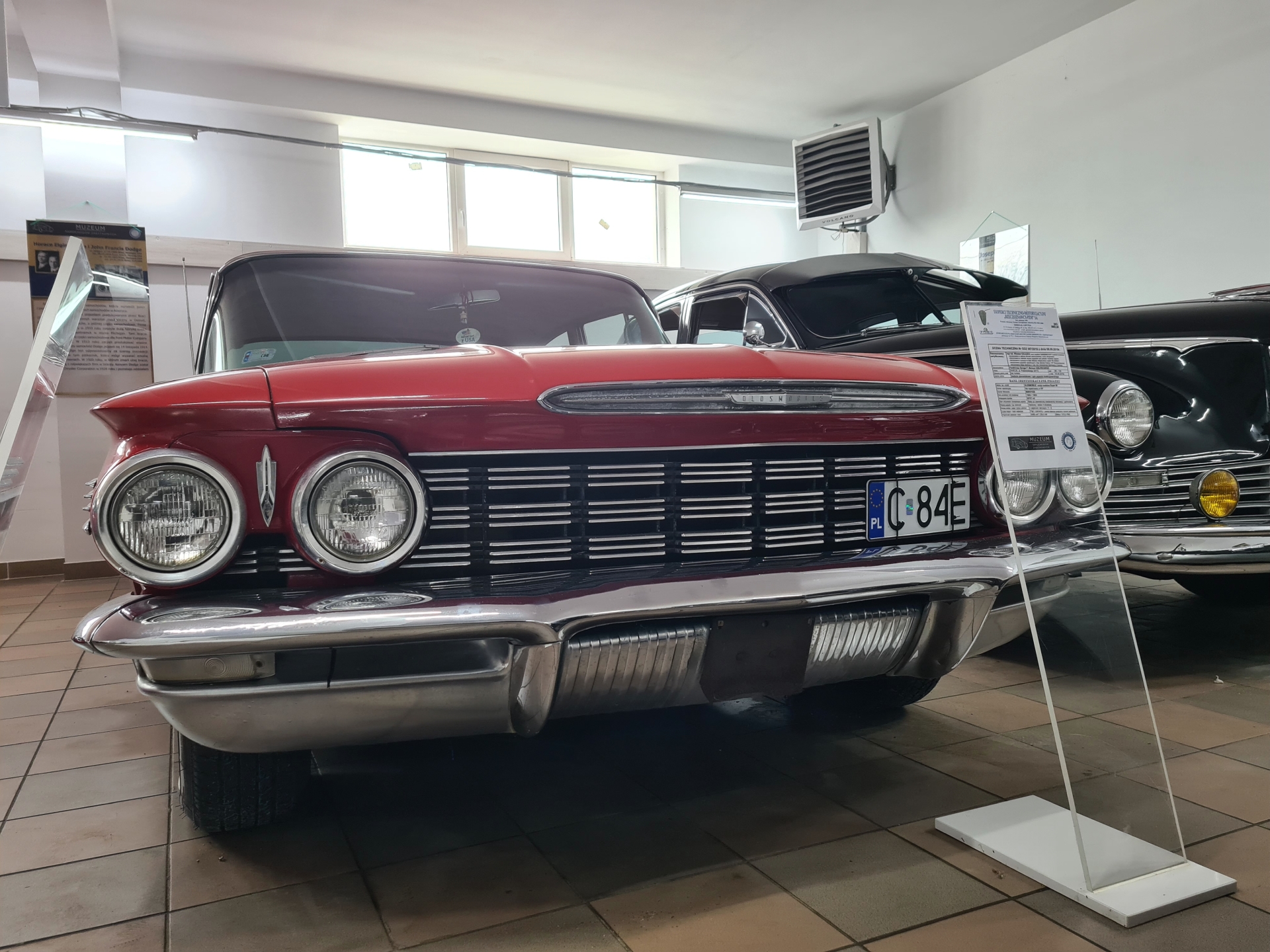
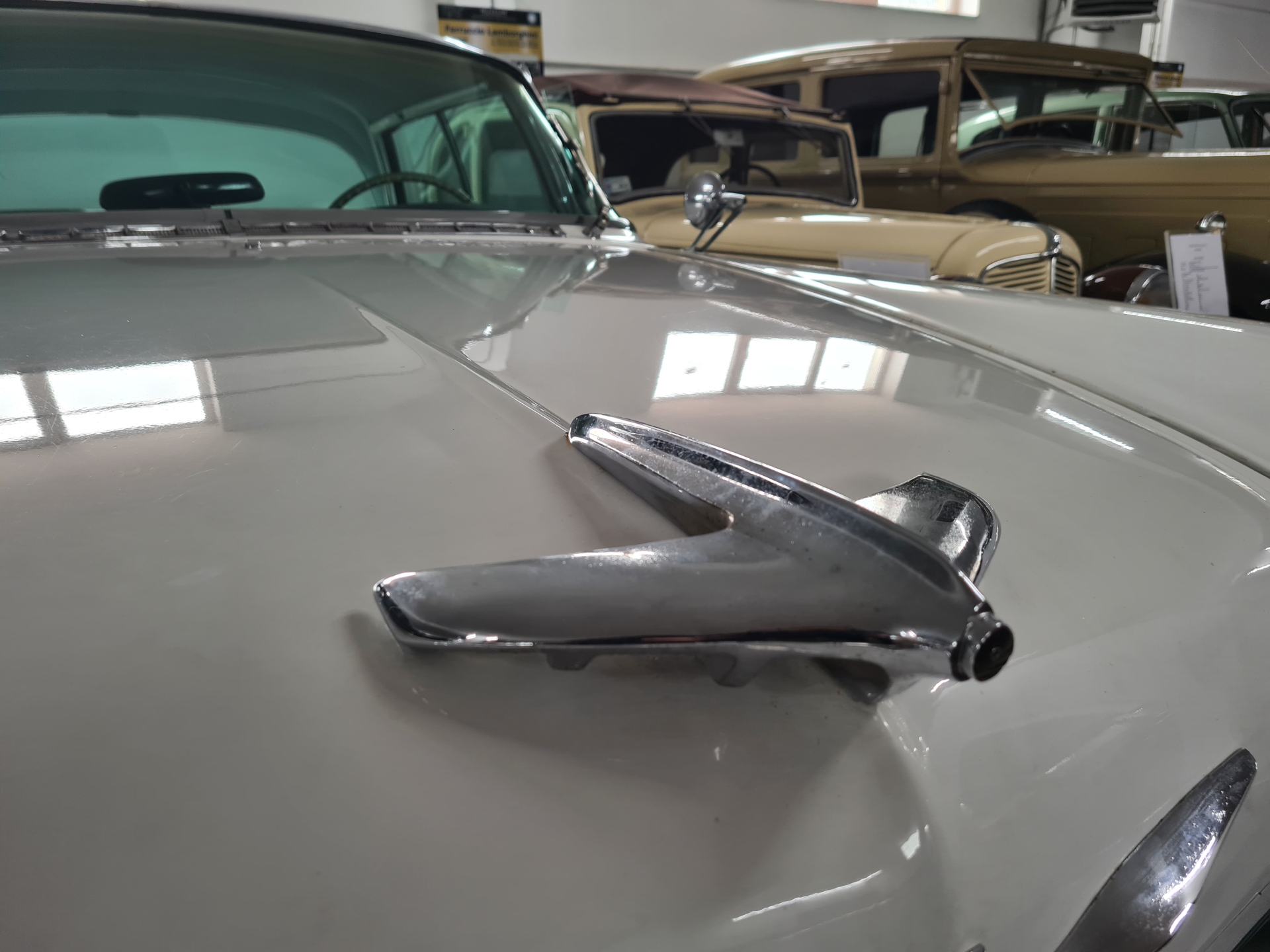
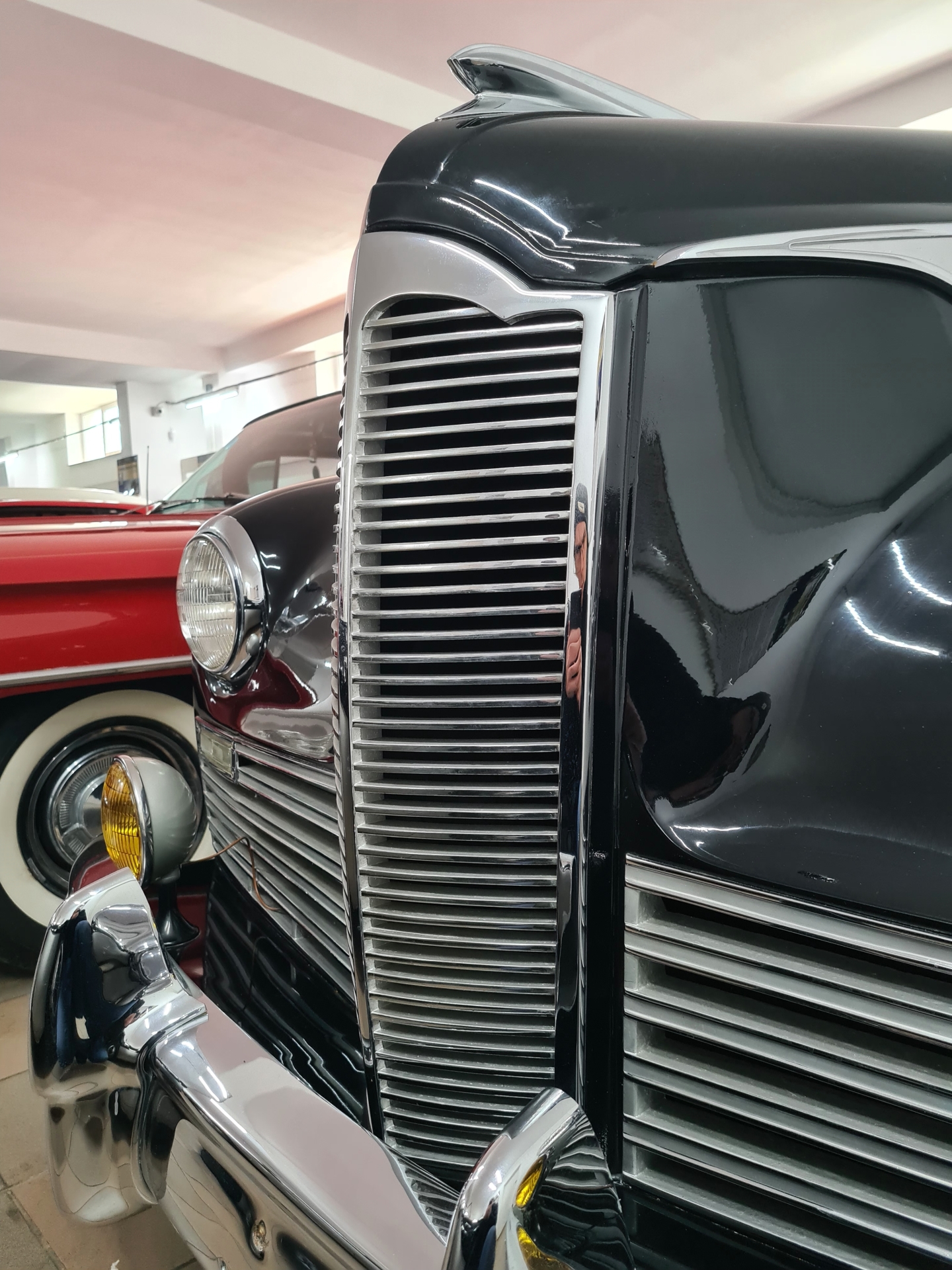
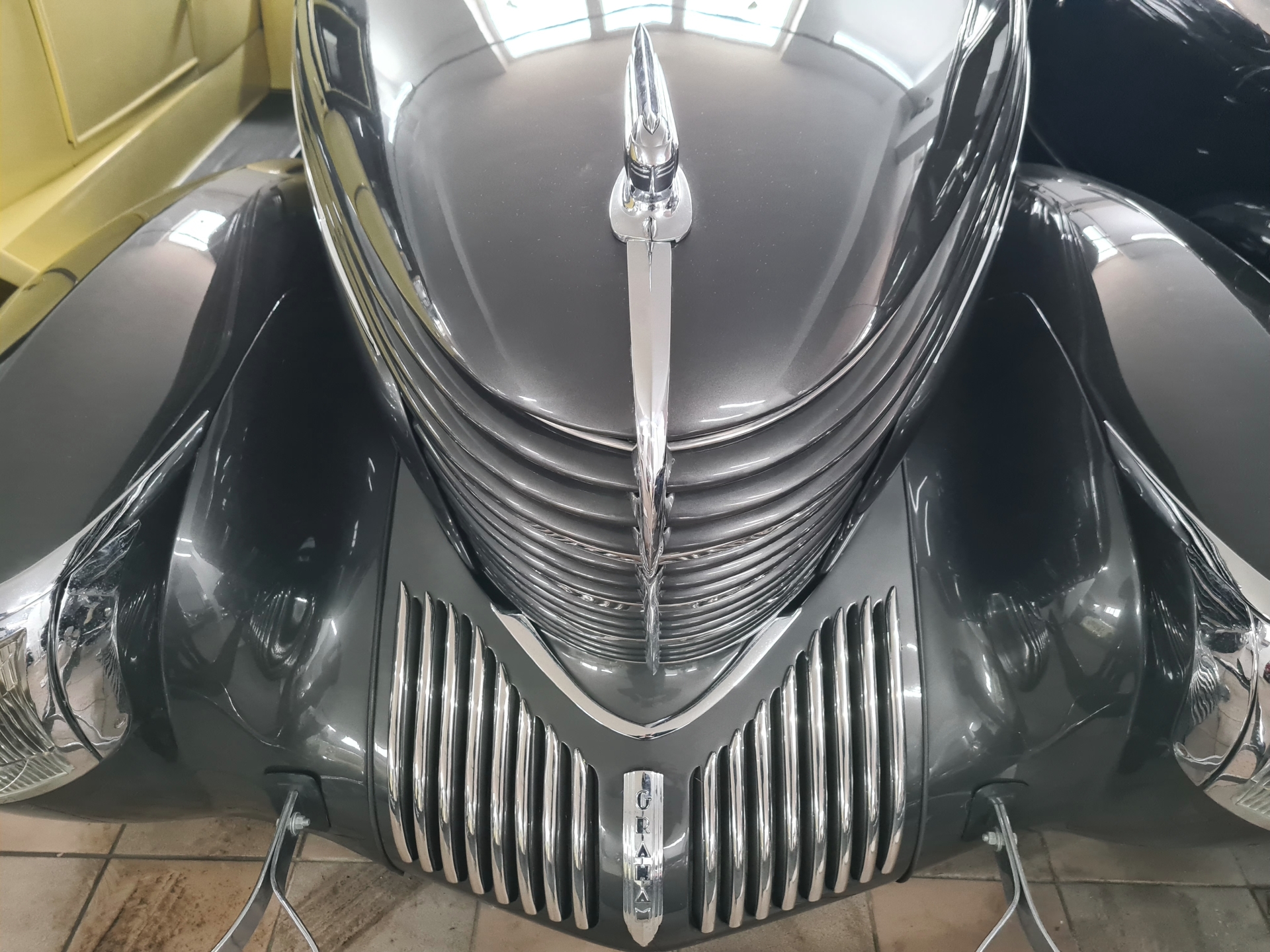
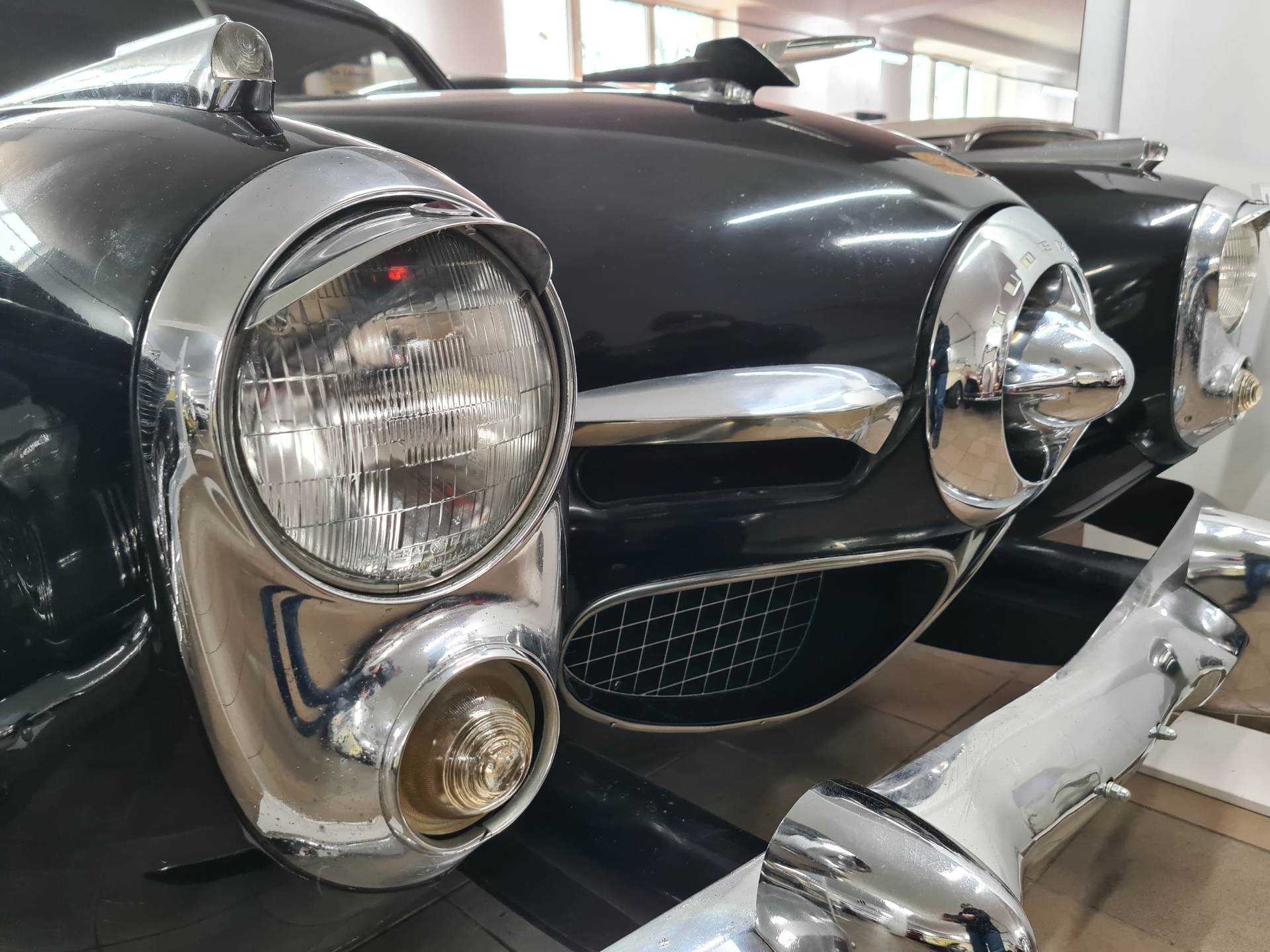
The 1950 Studebaker Commander Deluxe is a classic example of post-war American style. Its streamlined shapes, ornate bumpers and distinctive grille recall a time when design was meant to impress while symbolising the future and progress.
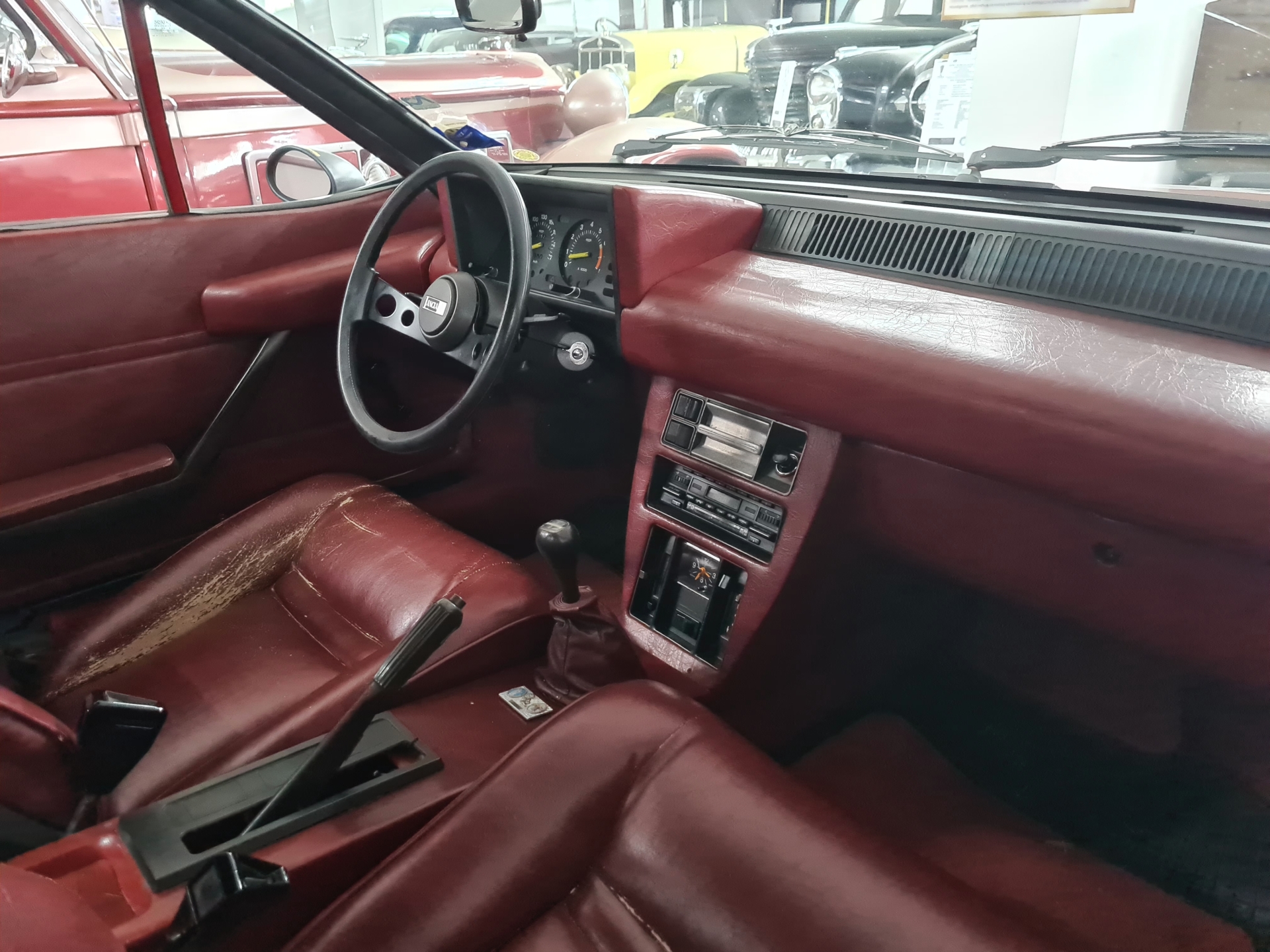
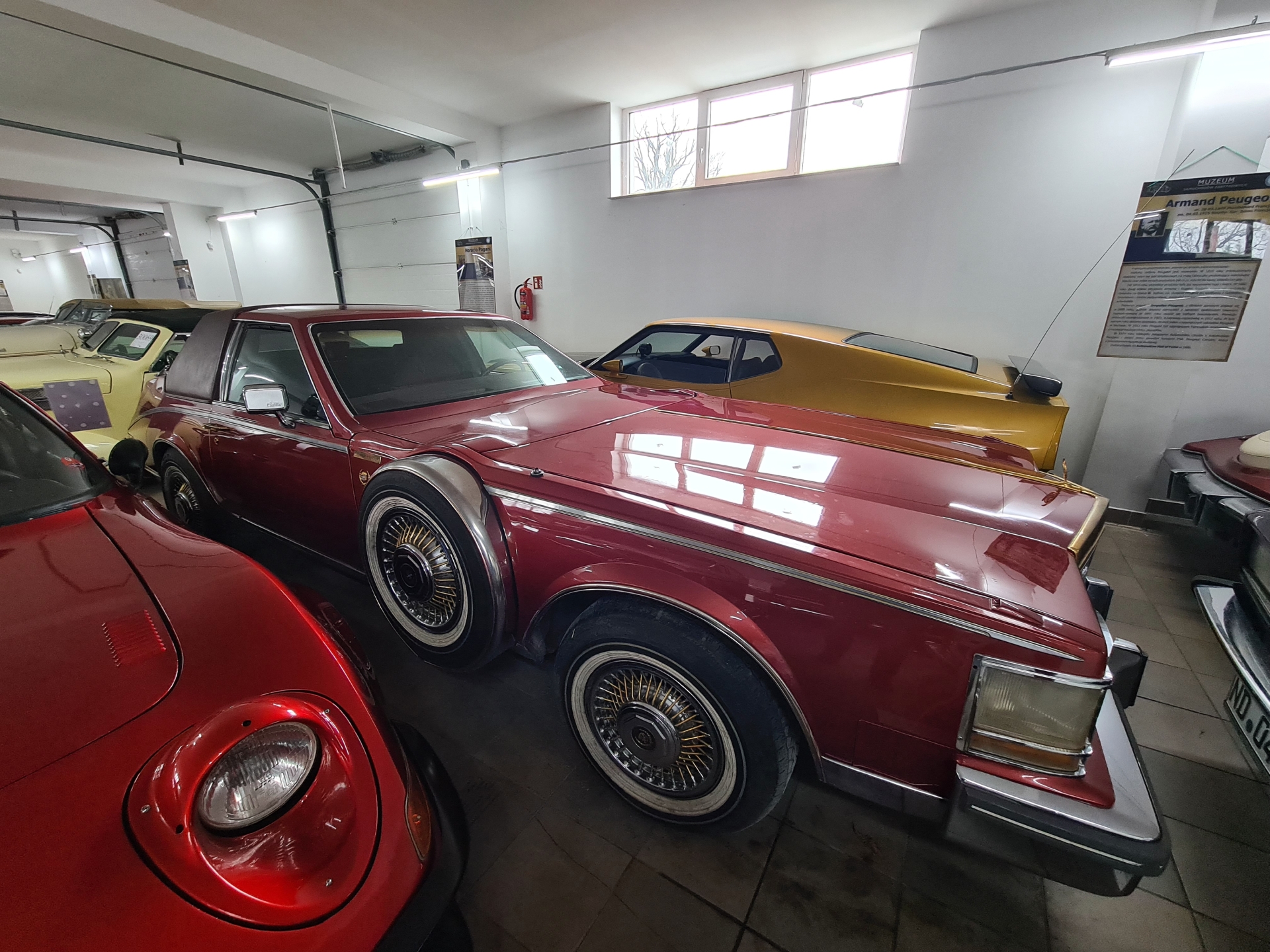
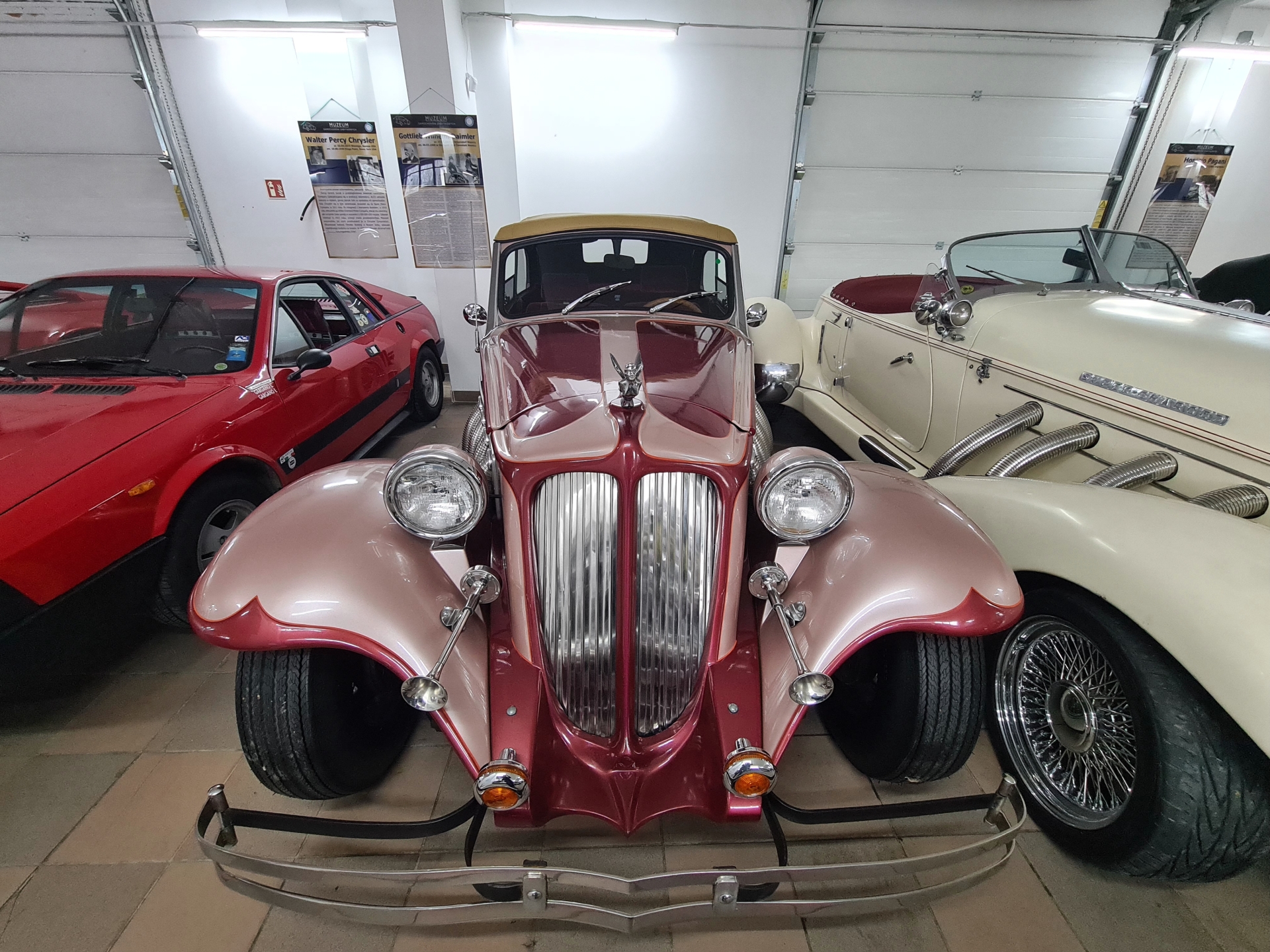
We cannot overlook the 1976 Stutz Blackhawk , a car with an unusual appearance and luxurious finish. Its richly decorated interior, gold details and extravagant proportions make it an exhibit impossible to confuse with any other vehicle.
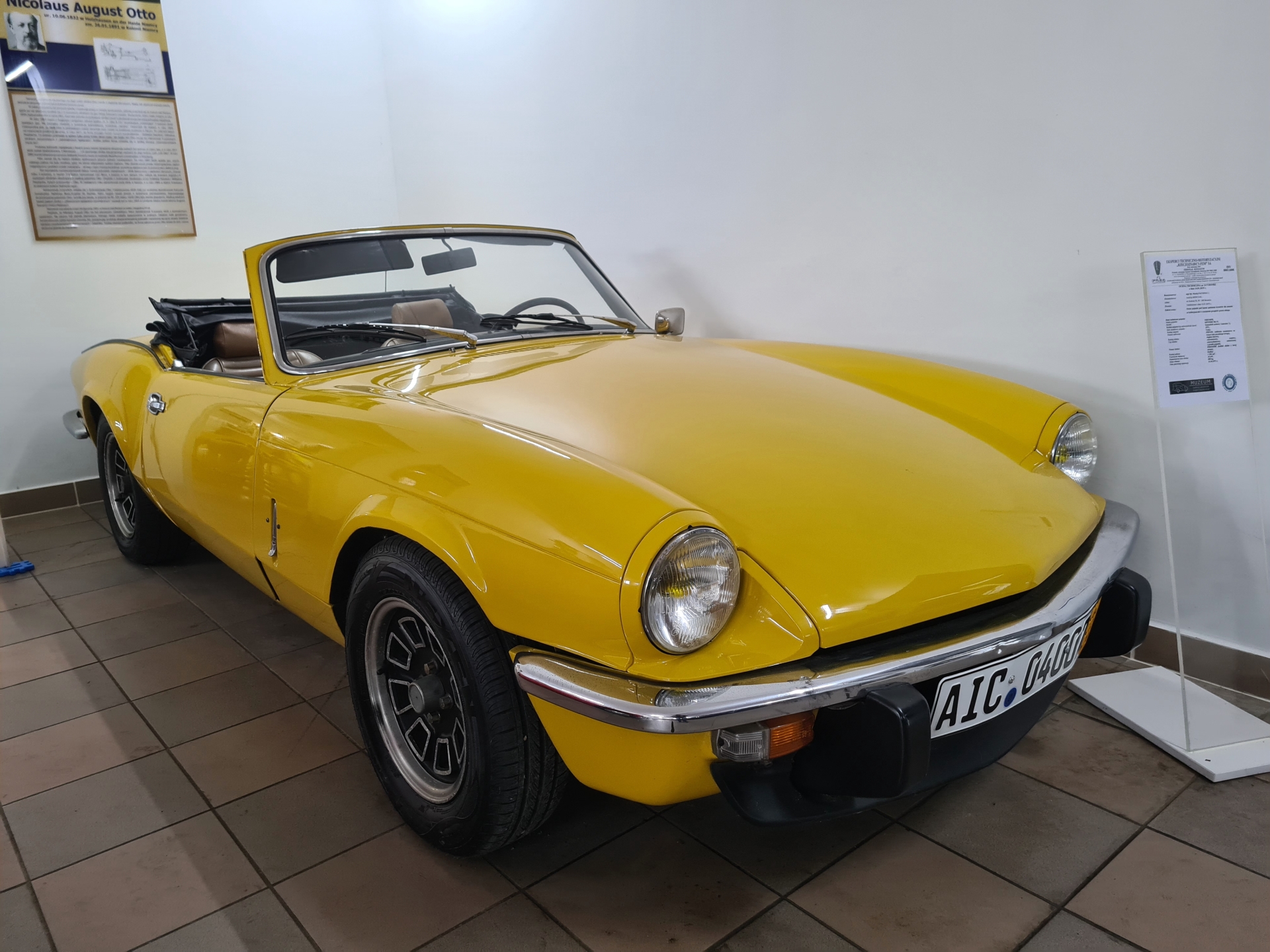
The 1972 Ford Mustang Mach 1 caught the eye with its muscular silhouette and uncompromising character. It epitomises the American muscle car, full of power and style.
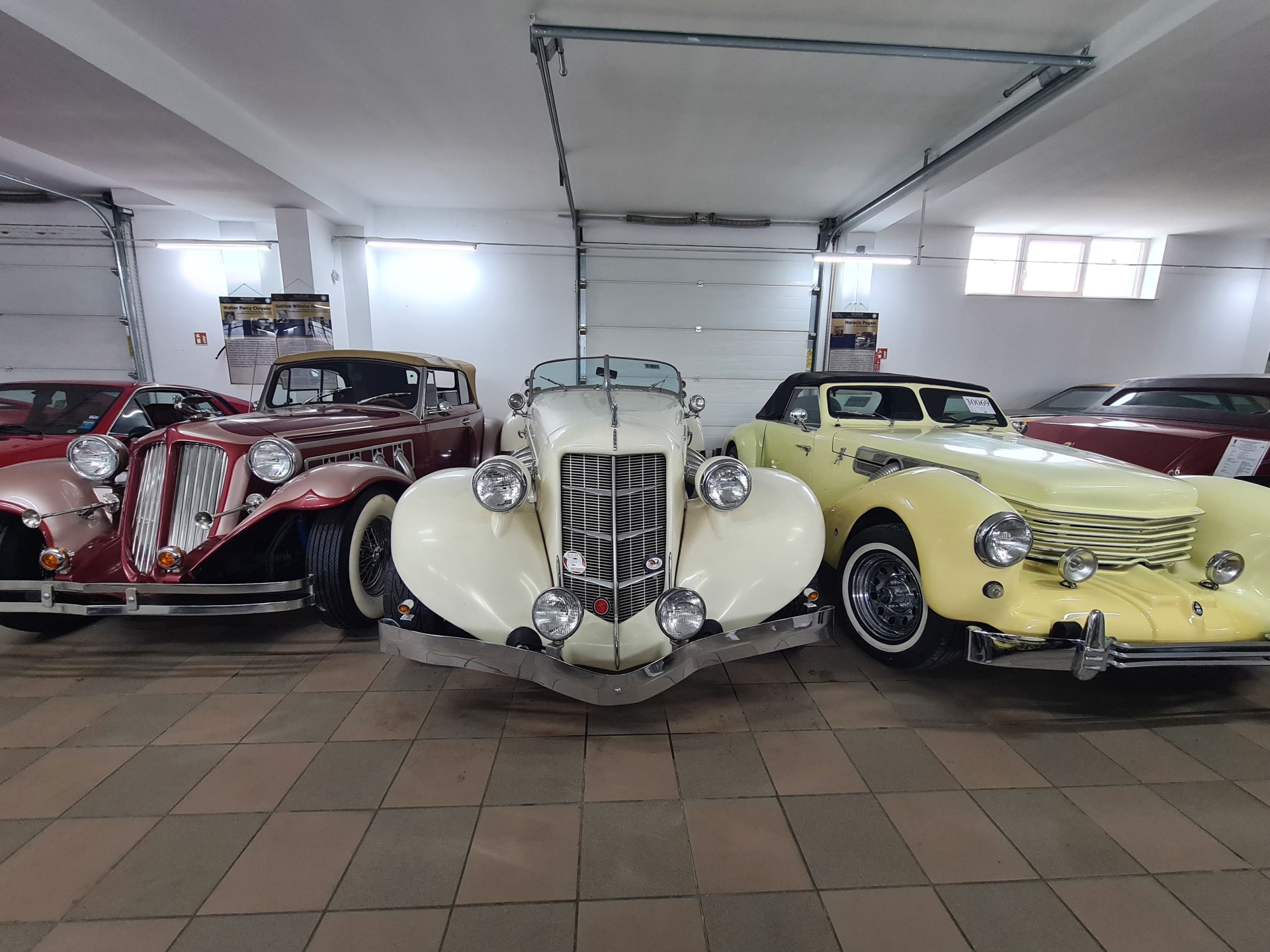
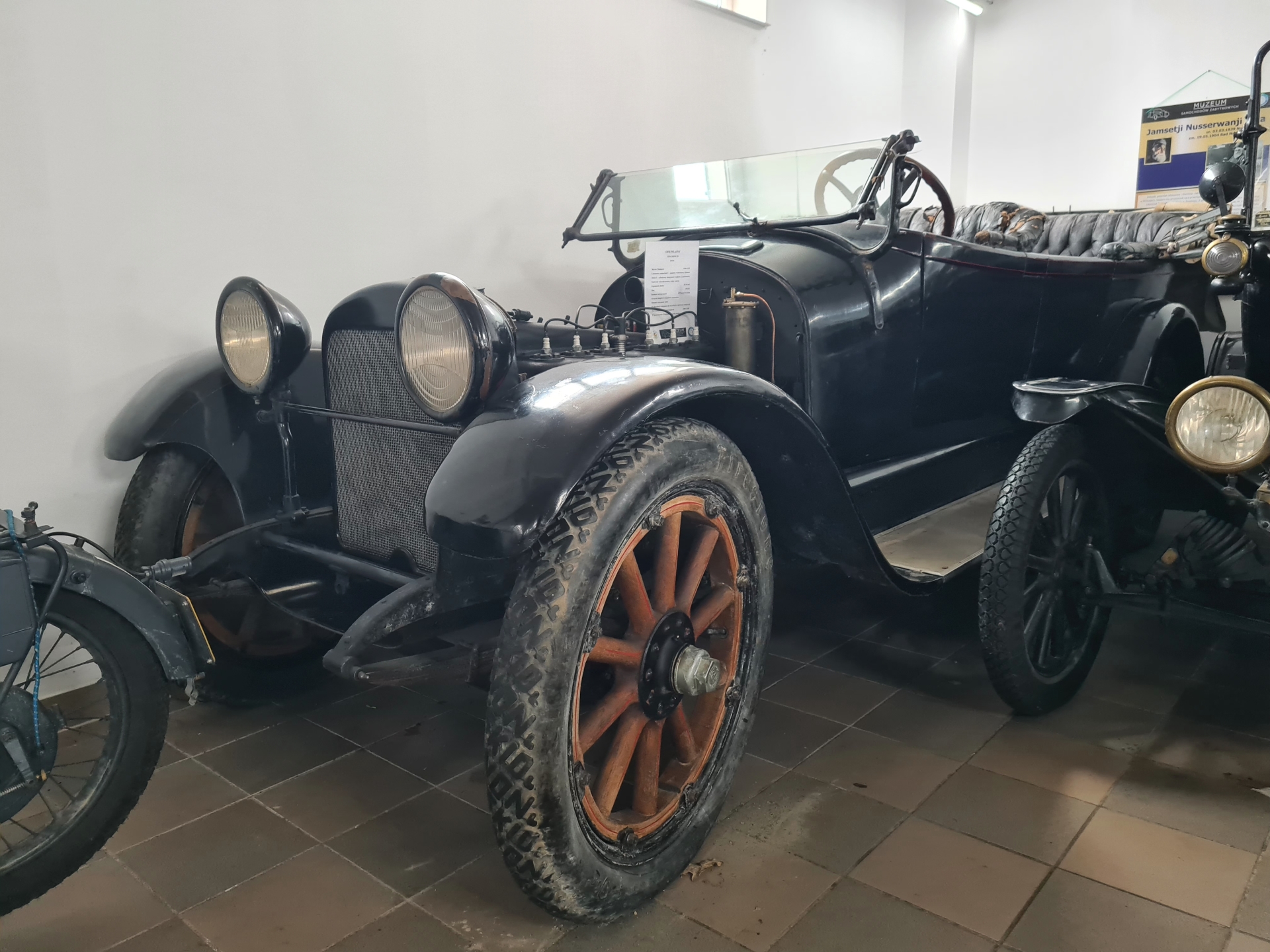
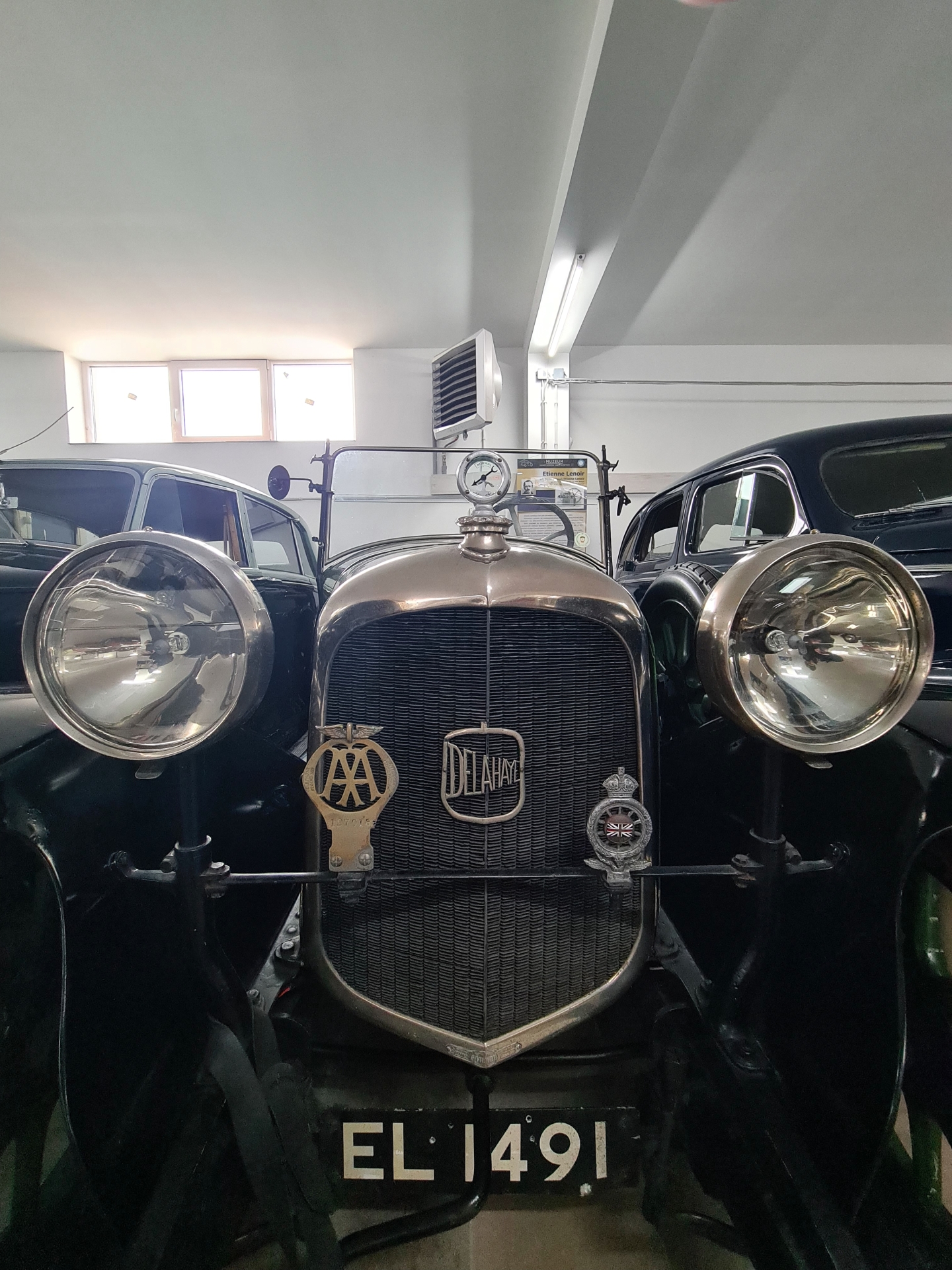
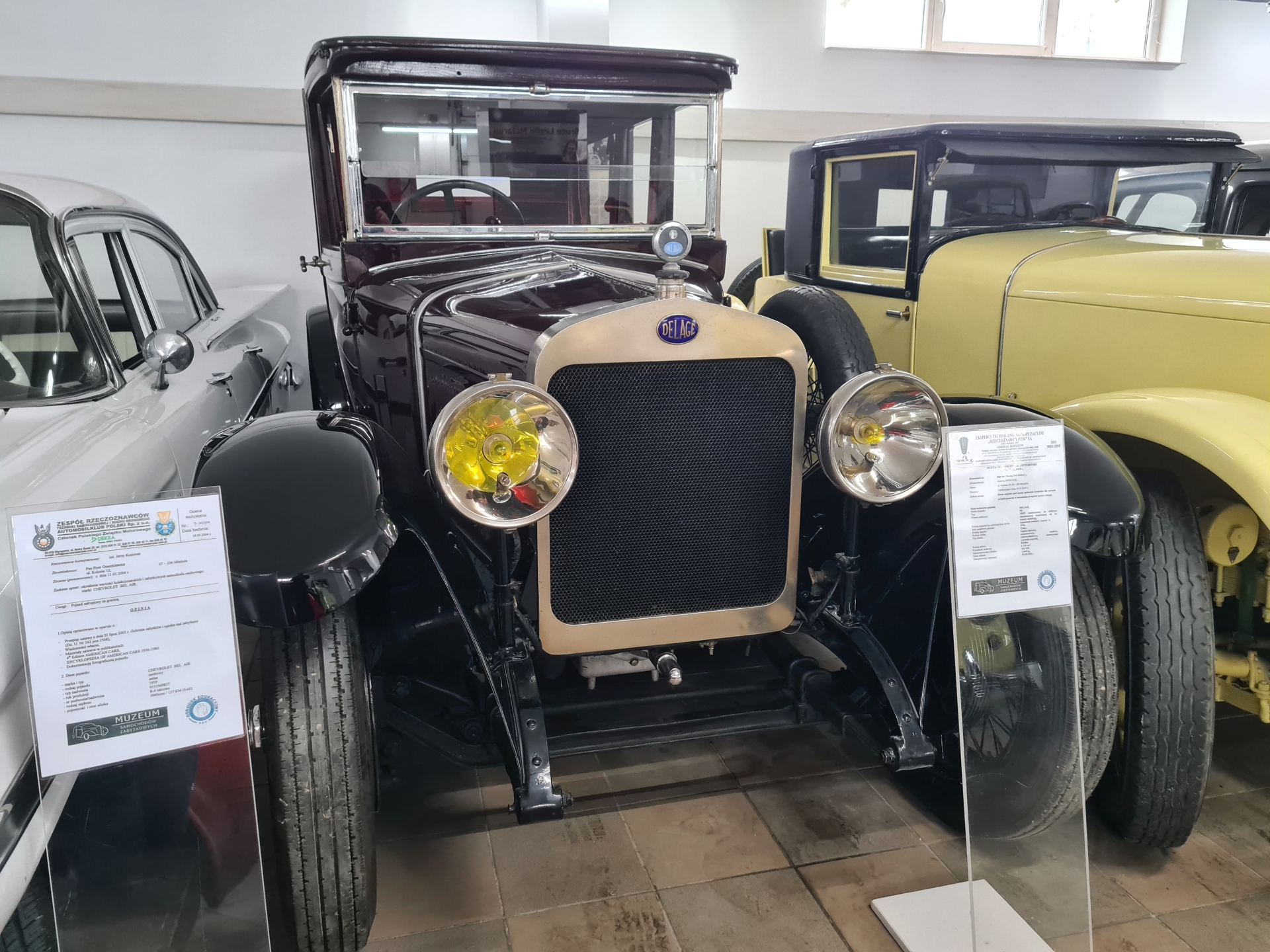
We also admired gems of pre-war motoring at the museum. The 1926 Delage Berlina stood out with its elegant, long body and refined finish. It is an aristocratic car, perfected down to the smallest detail.
The 1936 Adler Trumpf Junior is an example of German engineering of the 30s: modern for its time, with front-wheel drive and a compact body. Extremely functional yet very stylish.
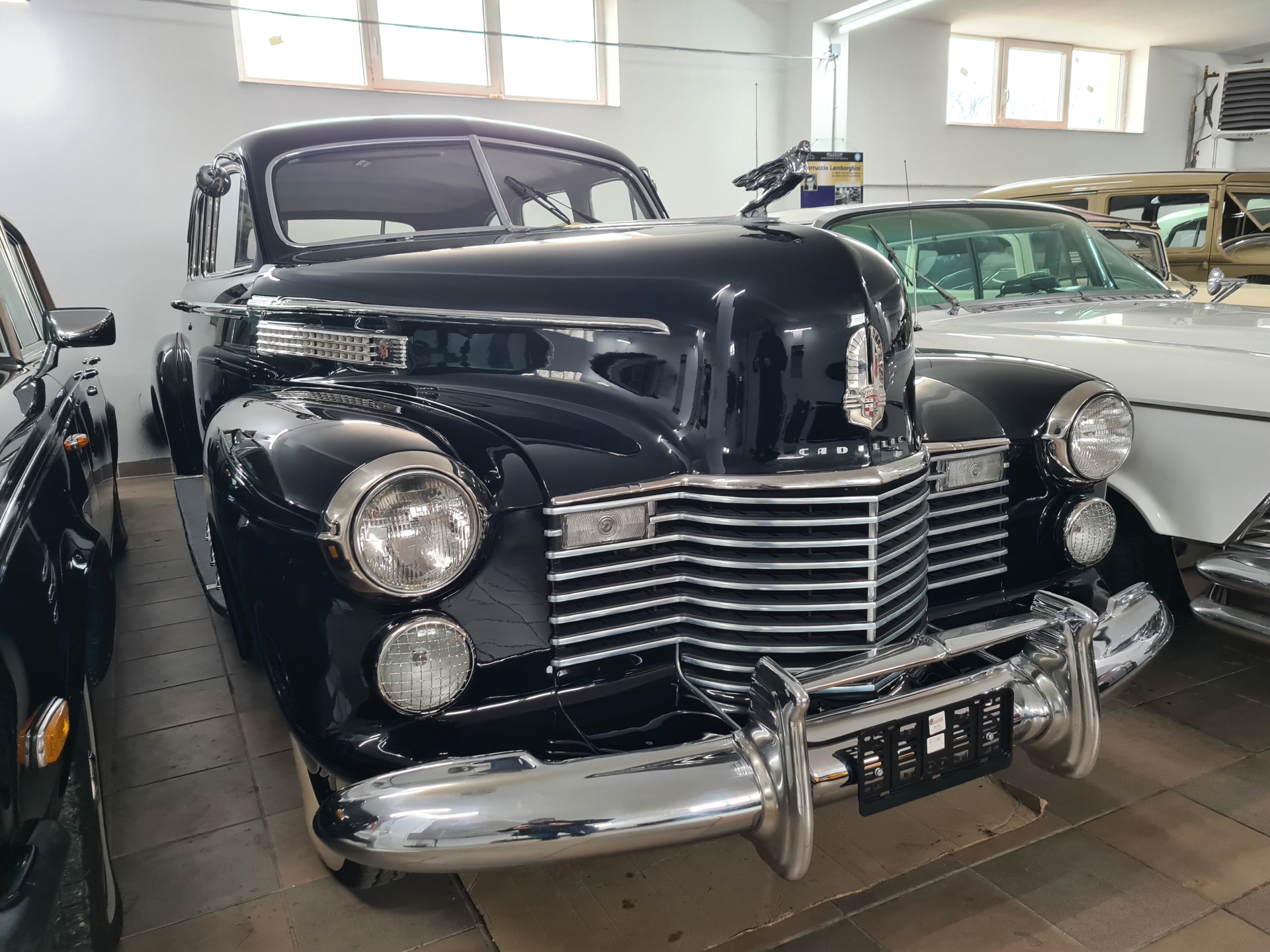
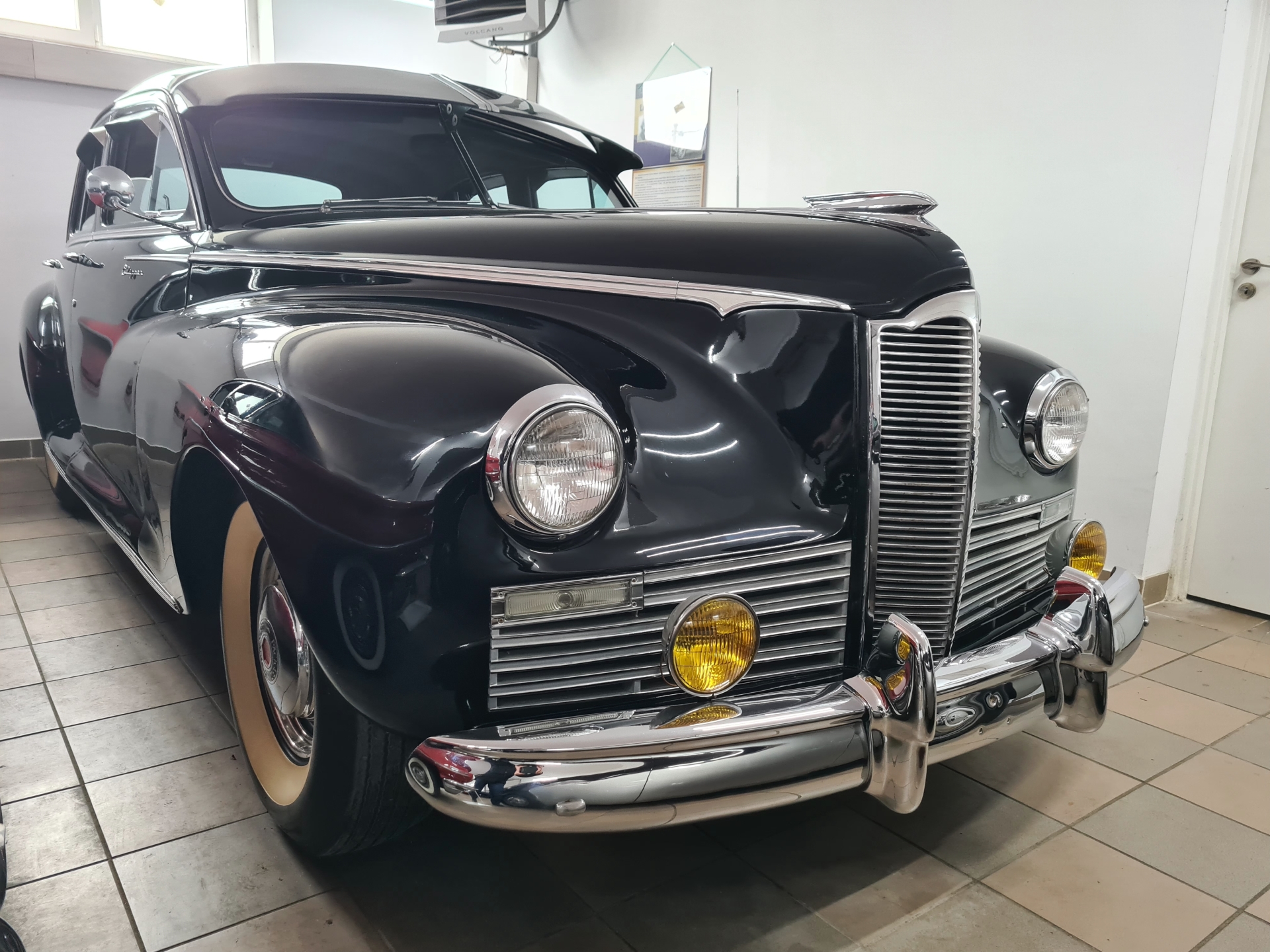
We must also mention the 1941 Cadillac 75 Imperial Fleetwood , a huge, dignified car with impressive craftsmanship. This American road cruiser is a textbook example of period luxury.
Finally, a true legend of French design: the 1974 Citroen DS 23 I.E. Pallas. Its futuristic silhouette, hydropneumatic suspension and innovative engineering mean it is still considered one of the most advanced cars of the twentieth century.
Designers who changed the face of motoring
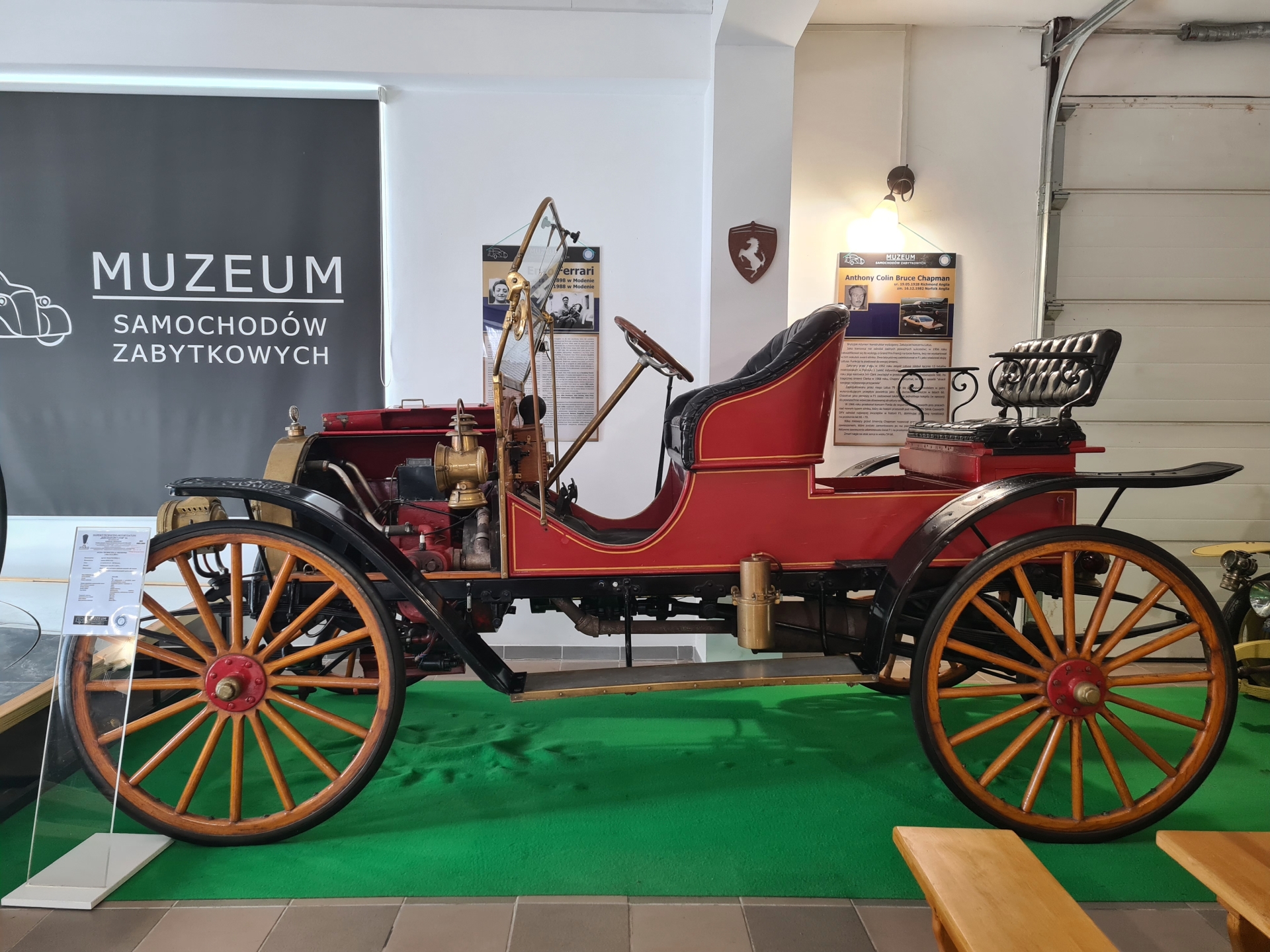
Thanks to the museum owner's kindness, we also learned about the brilliant designers behind these icons, who continue to inspire subsequent generations.
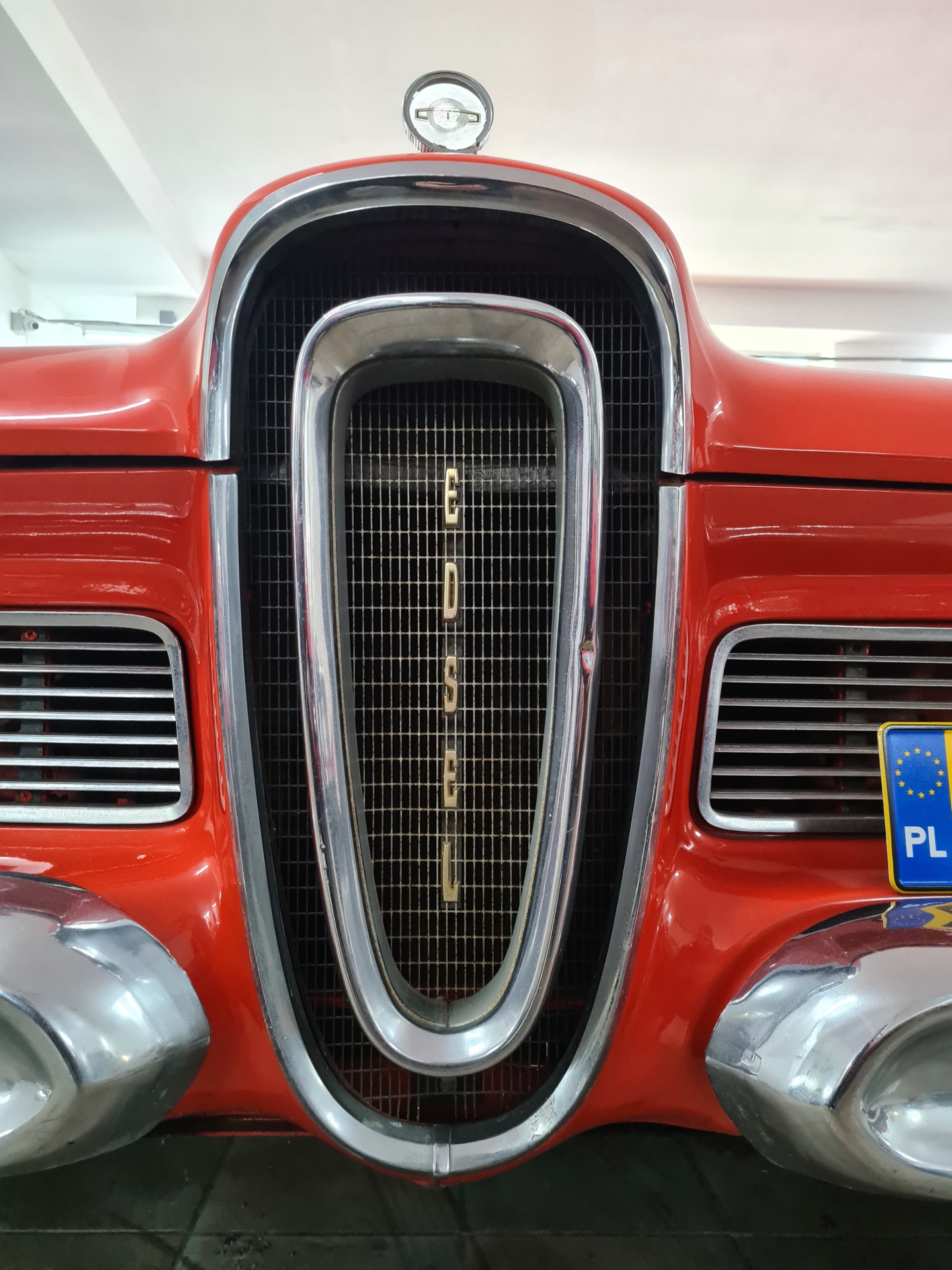
Virgil Exner was one of the most influential American automotive stylists of the twentieth century, best known for Chrysler's revolutionary “Forward Look” aesthetic. He was behind models such as the Chrysler 300C, DeSoto Adventurer and Plymouth Fury around the 50s, distinguished by dynamic lines, bold fins and futuristic proportions. Exner broke with the heavy silhouettes of earlier decades, introducing the modern, aerodynamic style that dominated American motoring. His designs drew on both aviation and applied art, making them bold yet timeless.
Harley Earl, responsible for the styling of classic Cadillacs, is considered the father of modern automotive design. He introduced the “dream car” concept and treated the car as a work of art. Many of his ideas are reflected in today's designs, where form is as important as function.
Ferdinand Porschecreated the first Volkswagen model and also engineered racing Mercedes and Auto Union cars. His engineering precision and bold design lines remain a model for many creators.
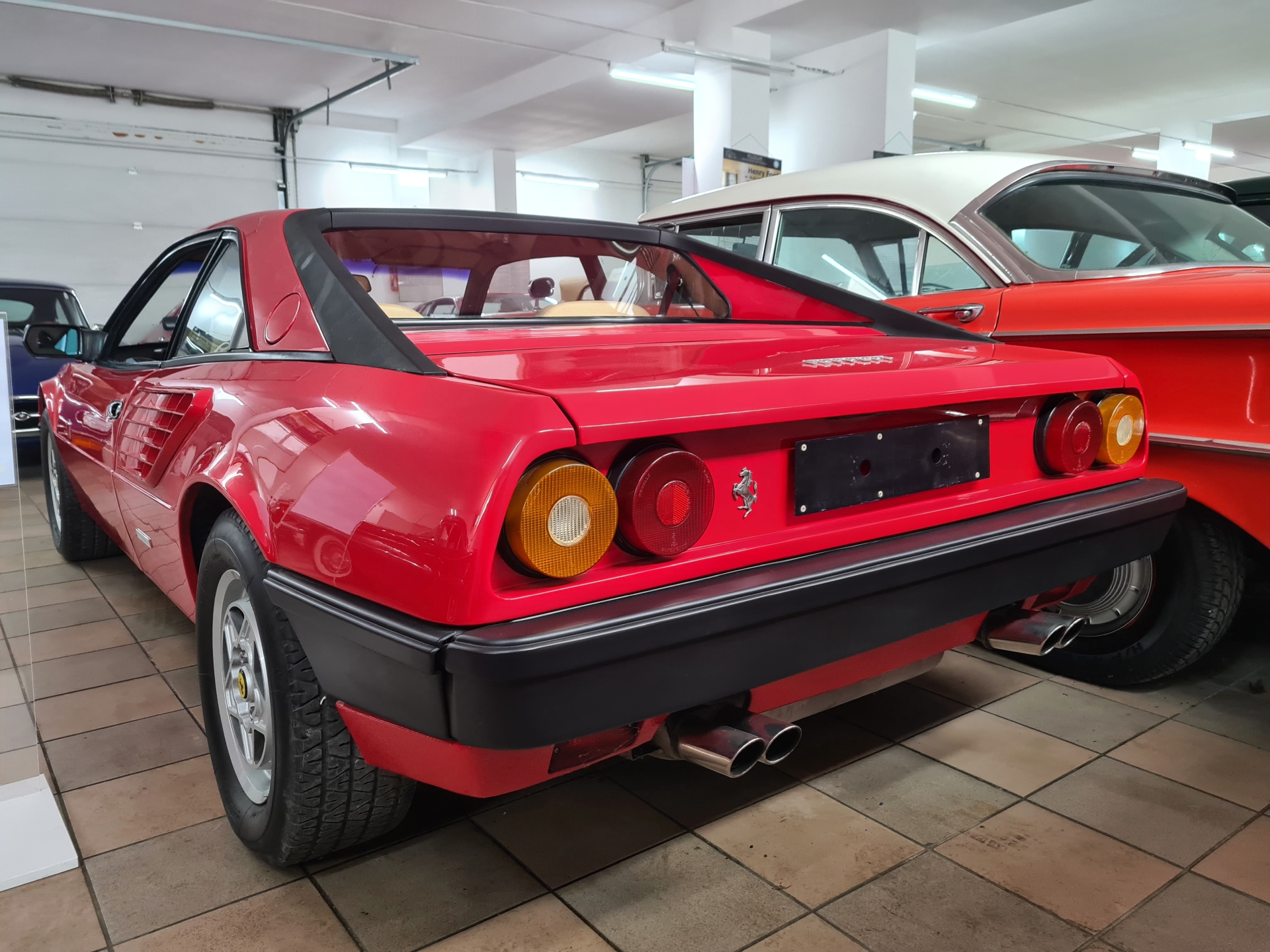
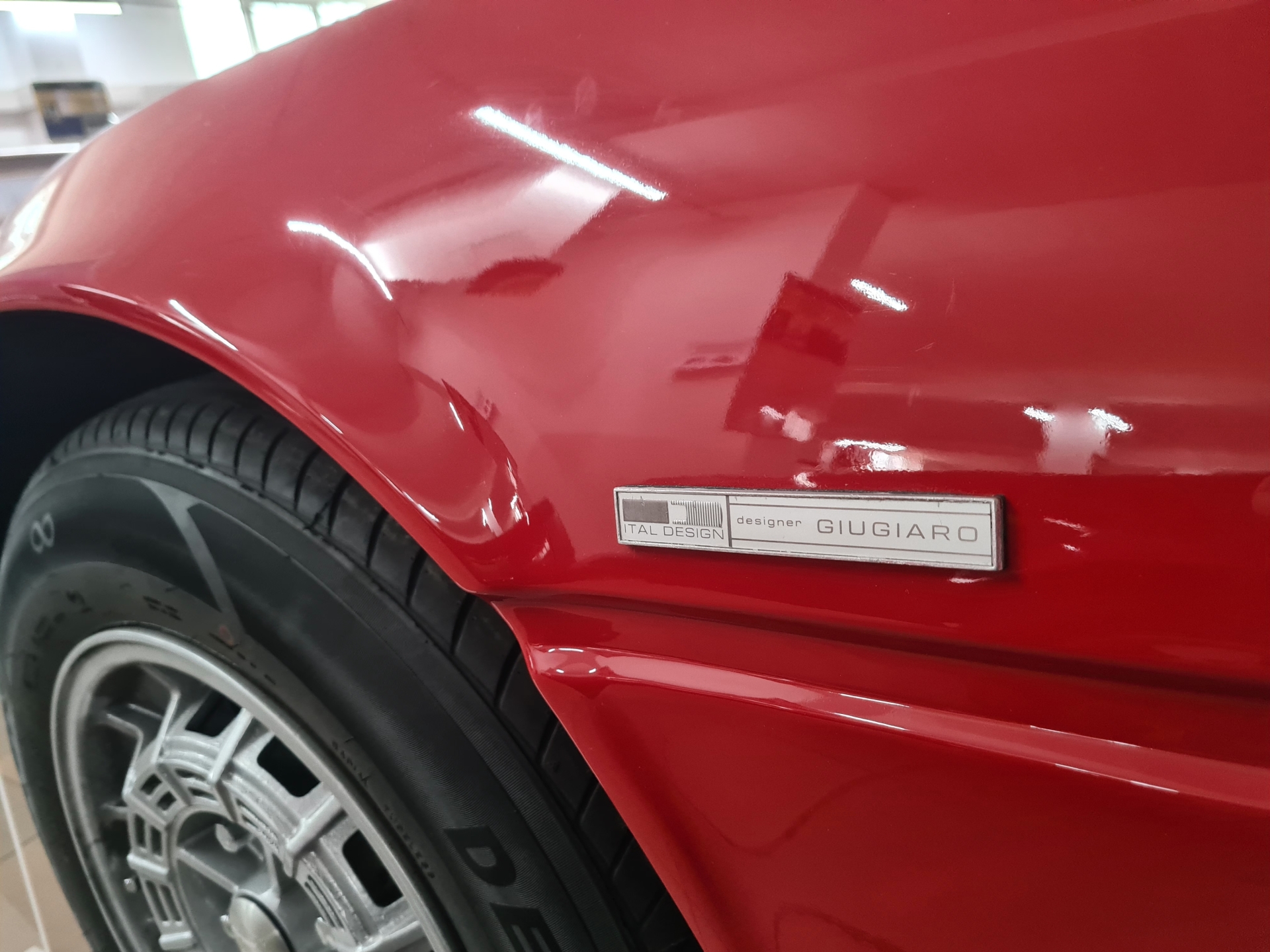
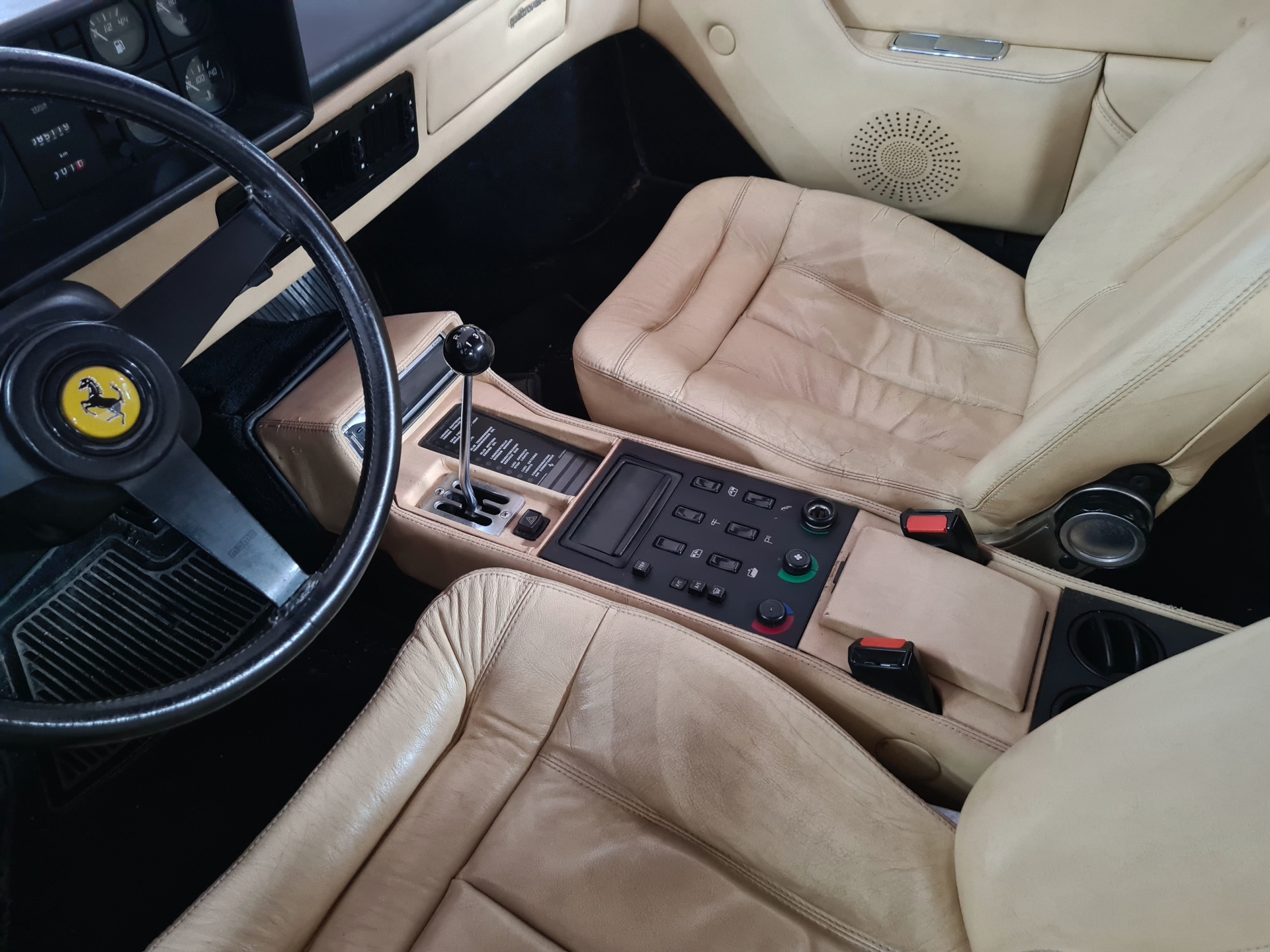
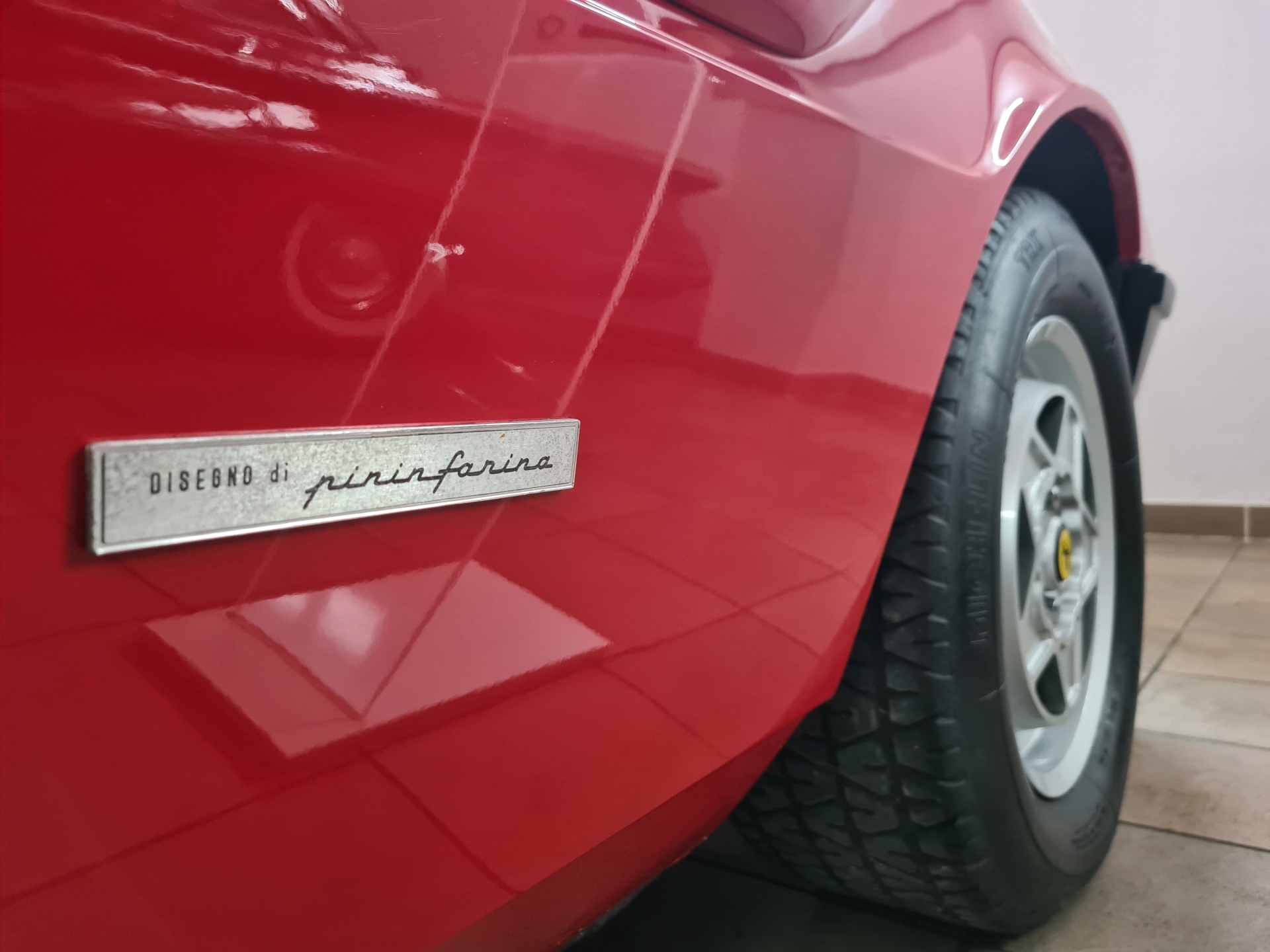
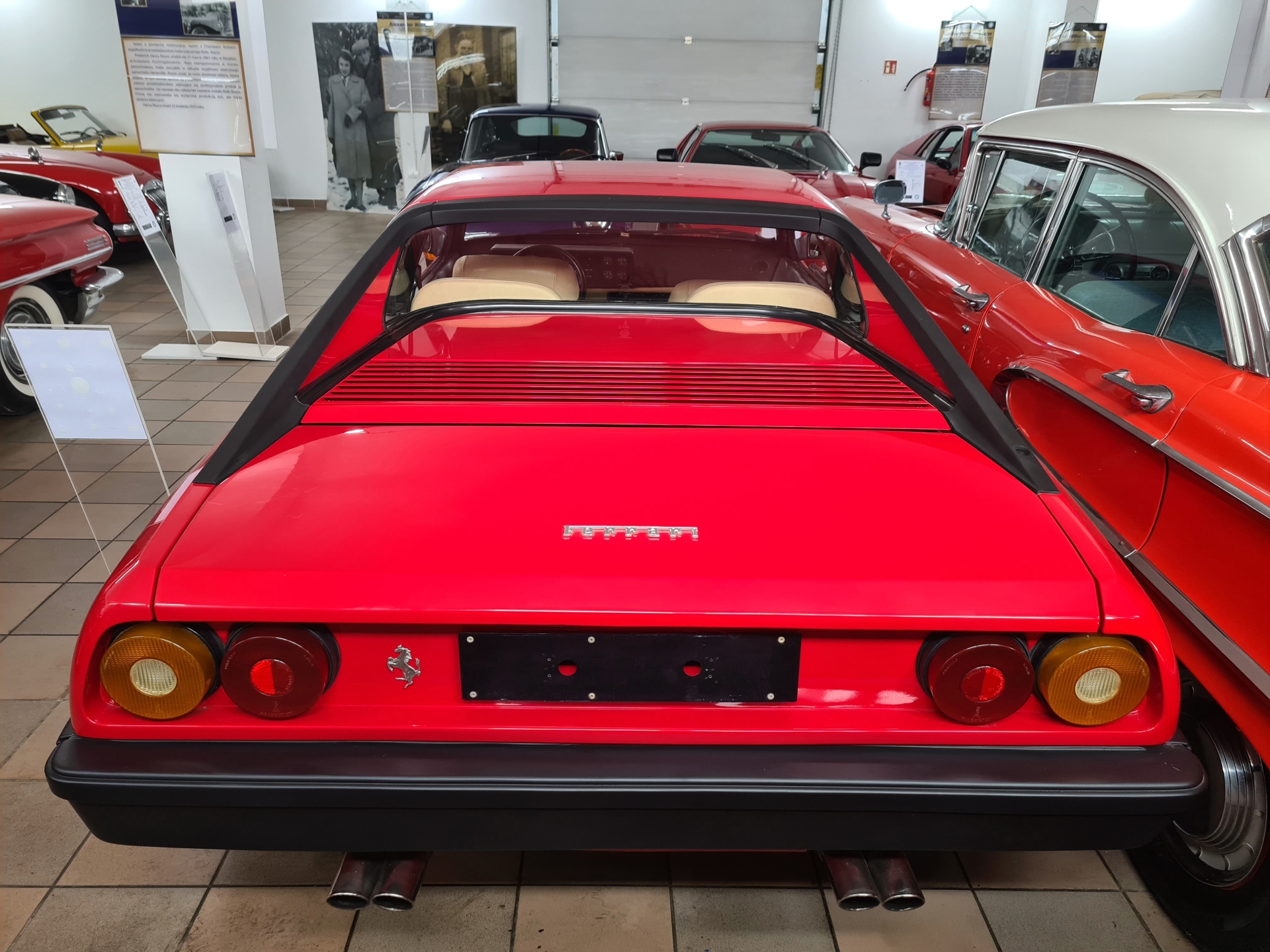
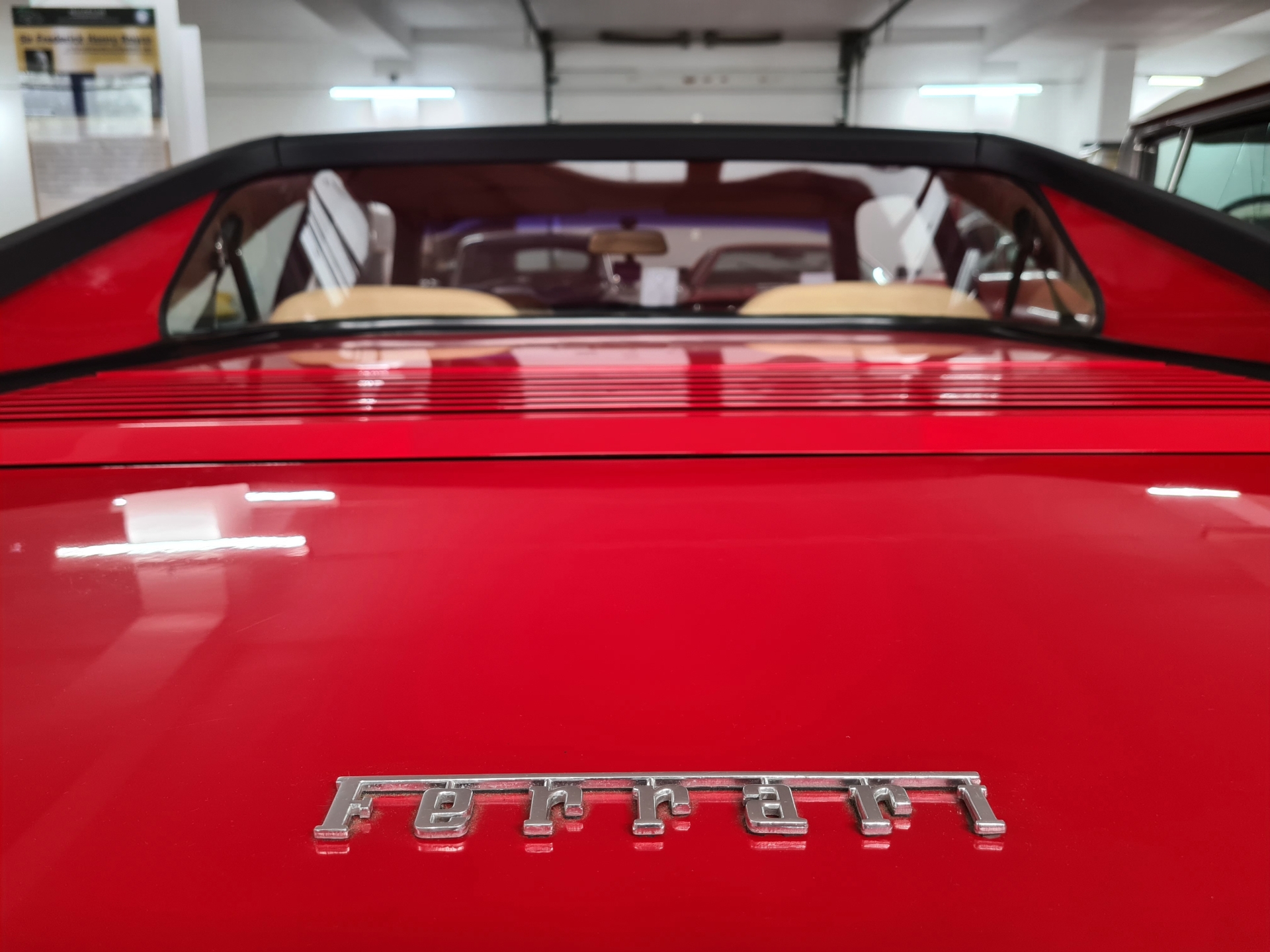
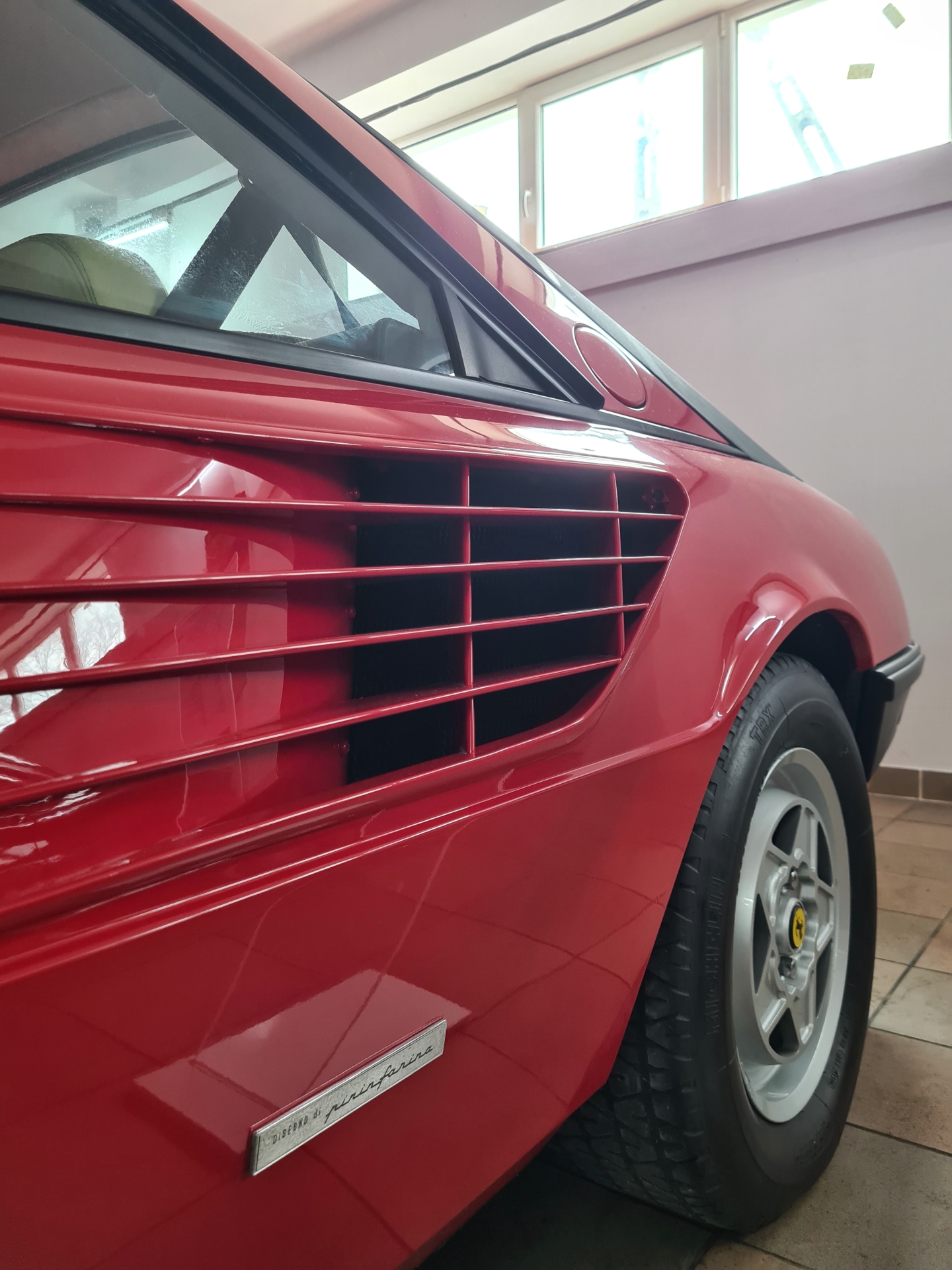
Battista "Pinin" Farinawas an Italian master of proportion and elegance. His designs for Ferrari and Peugeot demonstrate that minimalism and detail can form a harmonious whole.
A museum with an educational mission
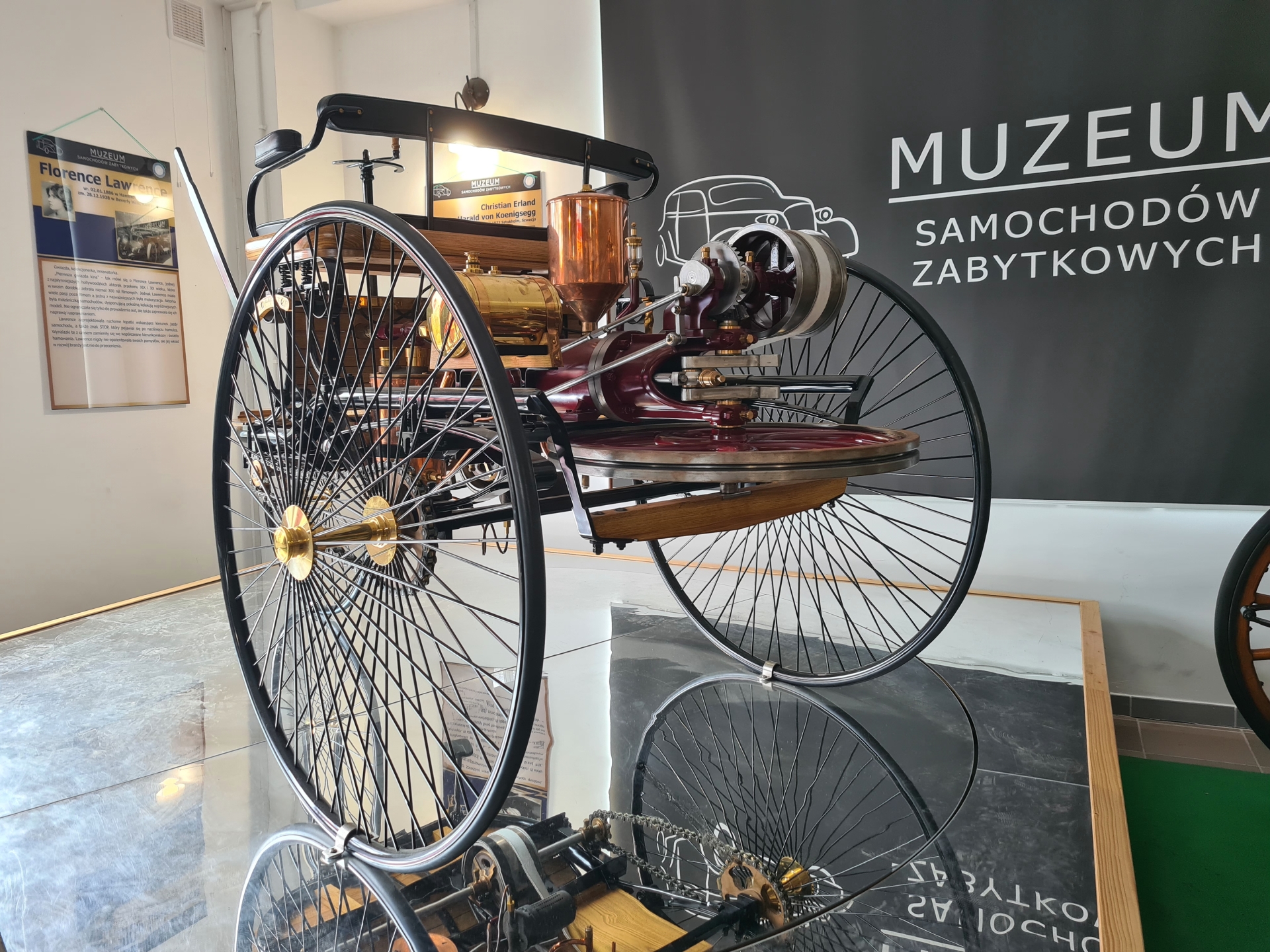
The hosts of the Rosienica museum tell the history of motoring with great commitment, seeking to inspire younger generations. They organise student meetings and themed workshops and actively share knowledge. This approach is particularly close to our hearts: we also enjoy sharing our experience in 3D graphics.
We returned from Rosienica inspired. Classic cars reminded us of the major role that respect for detail and beautiful form plays in every project. These are values we want to cultivate in everything we create.
We encourage you to visit this wonderful place: https://samochodyzabytkowe.eu